







Oura Ring stress tracking is a feature that measures physiological stress using heart rate, heart rate variability (HRV), motion, and body temperature during awake, moderately stationary periods. The feature sounds revolutionary in theory—real-time insight into your body’s stress response throughout the day. In practice, it’s broken in ways that undermine its entire purpose.
Key Takeaways
- Oura Ring stress tracking requires Gen3 or Ring 4 with active membership and at least 5 days of continuous wear to establish baselines
- Daytime Stress feature updates every 15 minutes but cannot differentiate between physical and mental stress
- Known Android bugs prevent stress tracking entirely on versions 6.7.0+ since October 2025
- Cumulative Stress data missing for Android users on v7.3.0+ as of January 2026
- Algorithm validated against established solutions, but real-world accuracy remains questionable
The Promise vs. The Reality of Oura Ring Stress Tracking
Sofia Strömmer, PhD, Behavioral Scientist at Oura, has called the feature “a revolution in how we think about stress and how we pay attention to what our bodies experience day to day”. That language sets an impossibly high bar. The promise is clear: understand your physiological stress in real time, throughout your day. The reality is far messier. I’ve relied on my Oura Ring daily for fitness tracking, and the stress monitoring feature has become increasingly frustrating precisely because it promises so much and delivers so little.
The Daytime Stress feature updates every 15 minutes with a color-coded graph on your home card, giving you a sense of your stress levels across the day. It requires a Gen3 or Oura Ring 4 with an active membership, and it needs at least five days of continuous day and night wear to establish baselines. That’s a reasonable ask. The problem isn’t the setup—it’s what happens after.
Android Users Face Crippling Bugs
If you’re an Android user, Oura Ring stress tracking is essentially broken. Daytime Stress has not tracked properly for Android v6.7.0 and later since October 2025, and Cumulative Stress data is missing entirely for Android v7.3.0+ as of January 2026. These are open issues with no resolution timeline. For months, Android users have been paying for a subscription to access a feature that doesn’t work. That’s not a minor bug—that’s a complete failure of the product promise.
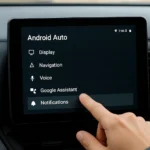


The fact that these issues remain unresolved suggests Oura’s priorities are elsewhere. iOS users get a functioning feature. Android users get a ghost feature that collects data but doesn’t display it. This fragmentation is inexcusable for a wearable company that positions itself as a premium health platform.
The Accuracy Problem No One Wants to Discuss
Even when Oura Ring stress tracking works, it has a fundamental limitation: it cannot differentiate between physical stress and mental stress. Your body’s fight-or-flight response looks identical whether you’re sprinting up stairs or having a difficult conversation. The algorithm treats them as the same signal. That’s not a feature—that’s a design flaw. Oura acknowledges this, noting that the physiological changes happen in both cases. But acknowledging a limitation doesn’t solve it.



The validation methodology doesn’t inspire confidence either. Oura has validated the algorithm against “other well-established solutions” and user surveys for subjective alignment. User surveys are inherently biased—people tend to align their subjective experience with whatever their device is telling them, especially if they’ve paid for it. This creates a feedback loop where the feature appears accurate because users convince themselves it is.
When the Feature Doesn’t Work at All
Beyond the Android bugs, there are scenarios where Oura Ring stress tracking simply stops working. The feature doesn’t measure stress during movement or workouts, during sleep, or when the ring has a poor fit or your hands are cold. That eliminates huge chunks of your day. If you exercise, your stress data gaps. If you sleep poorly and toss around, your stress data gaps. If you live somewhere cold, your stress data gaps. The ring becomes a fair-weather stress monitor—useful only under ideal conditions.
There’s also the issue of naps being mislogged, which compounds the data reliability problem. Your afternoon stress tracking might vanish entirely if the ring mistakes a 20-minute rest for sleep. For a device that costs hundreds of dollars and requires a monthly subscription, these gaps are unacceptable.
What Needs to Change
Oura Ring stress tracking needs three immediate fixes. First, the Android bugs must be resolved. There is no excuse for leaving Android users without a functioning feature for months. Second, Oura needs to be honest about the algorithm’s limitations. Stop claiming it measures stress—clarify that it measures physiological markers that correlate with stress in some contexts. Third, expand the feature’s operational window. The current restrictions (no movement, no cold hands, no naps) make it feel more like a laboratory tool than a daily health tracker.



The feature has potential. Real-time physiological data is genuinely useful for understanding your body’s patterns. But potential doesn’t excuse broken execution. Until Oura fixes the bugs, acknowledges the accuracy gaps, and expands when the feature actually works, Oura Ring stress tracking remains a feature you’re paying for but can’t reliably use.
Does Oura Ring stress tracking work on all models?
No. Daytime Stress requires either a Gen3 or Oura Ring 4 with an active membership. Older models like Gen2 do not support this feature. You also need at least five days of continuous wear to establish a baseline before the feature begins tracking.
Why isn’t my Oura Ring measuring stress?
Several reasons could explain this. If you’re on Android v6.7.0 or later, the feature may not be tracking at all due to known bugs. The feature also doesn’t measure stress during movement, workouts, sleep, or when your ring has a poor fit or your hands are cold. Check your ring’s fit and ensure you’re wearing it during stationary, awake periods.
Can Oura Ring stress tracking tell the difference between physical and mental stress?
No. The algorithm cannot differentiate between physical stress and mental stress because your body’s physiological response is identical in both cases. The feature measures heart rate, HRV, motion, and temperature—signals that spike during exercise and anxiety alike. It’s a limitation Oura acknowledges but hasn’t solved.
Oura Ring stress tracking promised to reshape how we understand our daily stress. Instead, it’s delivered a feature that works inconsistently, breaks entirely for Android users, and can’t distinguish between the two types of stress that actually matter. Until Oura addresses these failures, the feature remains more marketing promise than practical tool.
Where to Buy
Oura Ring 4 | Oura Ring 4 Ceramic
This article was written with AI assistance and editorially reviewed.
Source: T3


