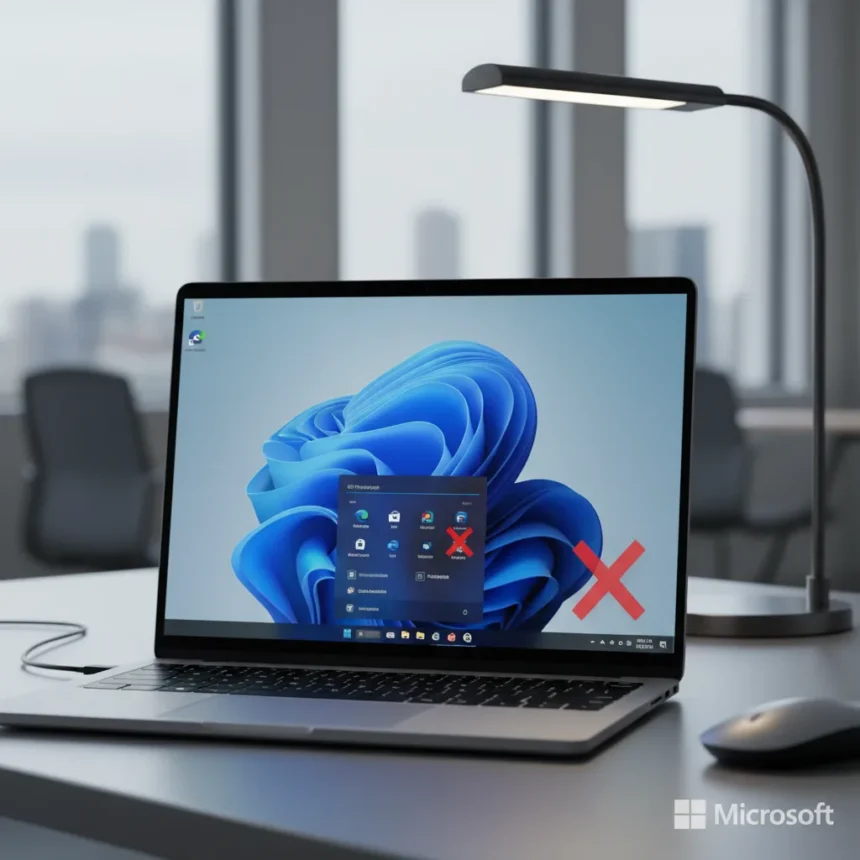
Microsoft is finally addressing two of Windows 11’s most aggravating problems: the relentless ads cluttering the Start menu and the taskbar that refuses to move. Windows 11 ads taskbar changes are rolling out this year as part of a broader push toward what the company calls a “chill OS with fewer upsells”. After years of user frustration, the company is making meaningful concessions on both fronts.
Key Takeaways
- Microsoft is reducing “pushy ads” in the Start menu that promote OneDrive, Edge, and other services among installed apps
- A major taskbar overhaul including “never combine” mode and repositioning options is coming soon after long user complaints
- EU Digital Markets Act compliance brings clearer Start menu search labels and options to uninstall Edge and disable Bing
- Monthly updates throughout 2025 promise to streamline Windows 11, remove bloatware, and restore user control
- Windows 10 end-of-life pressure is pushing Microsoft to make Windows 11 more appealing to holdouts
Windows 11’s ad problem is finally being taken seriously
For over three years, Windows 11 has been aggressively promoting Microsoft services through the Start menu, inserting recommendations for OneDrive, Microsoft 365, and other apps directly among the programs users actually installed. This wasn’t a subtle nudge—it was a full-blown sales pitch embedded in the operating system itself. Microsoft is now tweaking these promotions, aiming to “quiet” ads throughout the interface. The company promises that monthly updates will continue this cleanup throughout the year, signaling a genuine shift away from the monetization-first approach that defined Windows 11’s first three years.
The Start menu redesign includes clearer labeling that separates local search results from Bing web search, a change driven partly by EU Digital Markets Act compliance in the European Economic Area. Users in those regions now see explicit “Windows” and “Web search from Bing” labels, giving them transparency about where results come from. This transparency, combined with the ability to uninstall Edge and disable Bing entirely, represents Microsoft finally listening to criticism that it was burying user choice under layers of defaults.
The taskbar is getting a long-overdue upgrade
Windows 11’s centered, immovable taskbar has been a flashpoint since launch. Unlike Windows 10, which let users drag the taskbar to any edge of the screen or combine app windows into a single button, Windows 11 locked everything in place at the bottom center. Users who wanted the old behavior had to resort to registry edits—a workaround that screamed “we didn’t want to give you this option”. Microsoft is finally relenting. A major taskbar change “coming soon” will restore the “never combine” mode that groups identical app windows under a single button, a feature Windows 10 users considered essential.


This isn’t just a cosmetic tweak. The taskbar overhaul signals that Microsoft recognizes it overcorrected when redesigning Windows 11. The company is now positioning itself as responsive to user feedback rather than dictating how the OS should work. For power users and Windows 10 loyalists still resisting the upgrade, this change could be the tipping point—especially as Windows 10 approaches end-of-life and Microsoft increases pressure to migrate.
Why this matters right now
Windows 10 support is ending, and Microsoft needs Windows 11 adoption to accelerate. The current approach—aggressive ads, removed features, and forced defaults—has created genuine resistance among users who see the OS as increasingly hostile to their preferences. By dialing back the monetization and restoring user control, Microsoft is betting that a “chill OS” will convert holdouts faster than any marketing campaign. The company is making monthly promises to deliver these changes, a cadence that suggests genuine commitment rather than vaporware.



The EU Digital Markets Act changes show how regulation can force better behavior. Microsoft didn’t volunteer clearer search labels or the ability to disable Bing—the law required it. Yet once those changes landed, they benefited all users, not just Europeans. This pattern suggests that continued pressure—whether regulatory or from user backlash—will keep pushing Microsoft toward a less aggressive OS.
Is Windows 11 finally becoming likable?
Microsoft’s campaign to fix Windows 11 this year addresses the two complaints that defined the OS’s reputation: aggressive monetization and removed features. Whether the company follows through on monthly updates and actually delivers the promised taskbar changes remains to be seen. But the direction is clear. After three years of defending its decisions, Microsoft is acknowledging that users were right to complain. That shift alone is worth paying attention to.
When will the Windows 11 taskbar changes arrive?
Microsoft has only committed to “coming soon” for the major taskbar overhaul, without specifying an exact date. The company is rolling out changes via Insider Preview builds and monthly updates throughout 2025, so early access may arrive before general availability.
Can I uninstall Microsoft Edge on Windows 11?
In the European Economic Area, yes—the EU Digital Markets Act requires Microsoft to allow Edge uninstallation and the ability to disable Bing. Global availability of this feature beyond the EEA remains unclear from current announcements.



What other changes is Microsoft making to Windows 11?
Beyond ads and taskbar tweaks, Microsoft is adding compact mode for the Xbox app on gaming handhelds like the Asus ROG Ally, exploring “handheld mode,” and allowing users to uninstall default apps. The company’s stated goal is a leaner OS with fewer forced Microsoft services and more user choice.
Microsoft’s willingness to reverse course on Windows 11’s most controversial features suggests the company has finally understood a simple truth: users prefer control over convenience, and they resent being sold to by their operating system. Whether this year of promised updates delivers real change will determine whether Windows 11 becomes tolerable or remains the OS people abandon the moment they can.
Edited by the All Things Geek team.
Source: TechRadar