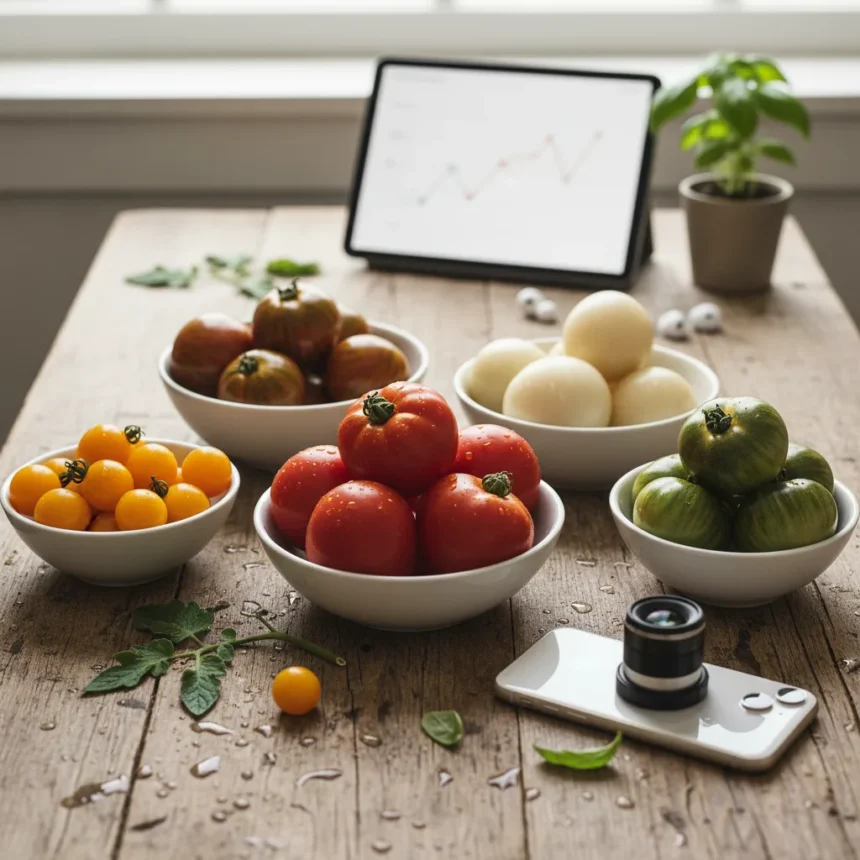
The best tomato varieties for flavor are nothing like the uniform red orbs sitting in supermarket bins. Store-bought tomatoes are bred for uniformity, disease resistance, and the ability to survive cross-country shipping, not for taste. The result: watery, flavorless fruit that tastes more like wet cardboard than food. Home gardeners who want real flavor need to grow their own, and the right variety makes all the difference.
Key Takeaways
- Heirloom varieties like Brandywine Pink and Cherokee Purple deliver complex, rich flavors store tomatoes cannot match.
- Sun Gold cherry tomatoes produce hundreds of intensely sweet, tropical-tasting fruits per plant in just 55-65 days.
- San Marzano paste tomatoes are ideal for sauces, with meaty flesh and low seed content.
- All five varieties need 6-8 hours of direct sun daily, well-draining soil, and consistent watering.
- Seeds cost $3-6 per packet; transplants run $4-8 at nurseries during spring planting season.
Why Store-Bought Tomatoes Disappoint
Commercial tomato breeding prioritizes traits that make no sense for eating. Thick skins prevent bruising during transport. Uniform ripening allows mechanical harvesting. Disease resistance matters more than sweetness. The result is a tomato that looks perfect and tastes like nothing. Home gardeners who switch to heirloom and specialty hybrid varieties discover what tomatoes are actually supposed to taste like: complex, sweet, sometimes even smoky or fruity.
The five varieties below represent the best tomato varieties for flavor across different use cases—slicing, salads, cooking, and snacking. Each has been selected for taste first, yield second.
Brandywine Pink: The Gold Standard for Slicing
Brandywine Pink is widely considered the gold standard for flavor among heirloom tomatoes. This large beefsteak variety produces fruits weighing 1-2 pounds with a pinkish-red color and rich, sweet, complex taste ideal for slicing and sandwiches. Maturity takes 70-90 days from transplant. The downside: Brandywine Pink is prone to cracking, especially during heavy rain or inconsistent watering. Even watering schedules and mulching help reduce this problem. For gardeners willing to manage the cracking risk, the flavor payoff is substantial—once you taste a ripe Brandywine, supermarket tomatoes become inedible by comparison.


Cherokee Purple: Smoky Sweetness with History
Cherokee Purple is a heirloom beefsteak with dusky purple-brown skin and fruits weighing 10-16 ounces. The flavor profile is distinctly different from red tomatoes: smoky, sweet, with fruity undertones that make it exceptional in salads or on a plate by itself. Maturity arrives in 80-90 days. The thin skin means these tomatoes are juicy and delicate—they don’t travel well, which is exactly why supermarkets never carry them. The variety has historical ties to Cherokee Native Americans, adding cultural depth to growing it at home. This is best tomato varieties for flavor if you want something genuinely different from what you’ve tasted before.
Black Krim: Heat-Tolerant and Salty
Black Krim is an heirloom originating from Crimea in Russia, producing medium-large fruits of 8-12 ounces with dark red-maroon skin. The taste is salty, smoky, and rich—excellent for salads where that savory depth shines. Black Krim matures in 70-80 days and performs better than many heirlooms in hot climates, making it a solid choice for gardeners in warm zones. The combination of early maturity, heat tolerance, and distinctive flavor makes Black Krim a practical choice for serious home growers.



Sun Gold: Candy-Sweet Cherry Tomatoes
Sun Gold is a hybrid cherry tomato that breaks the mold of typical sweet-but-simple cherry varieties. These golden-orange fruits weigh just 0.5-1 ounce each but taste intensely sweet with tropical, candy-like notes. A single plant produces hundreds of fruits across the season, and maturity arrives in just 55-65 days—faster than any other variety on this list. Sun Gold is also disease-resistant, making it reliable even for beginners. Once you taste them, the appeal is immediate: they’re genuinely addictive, and kids will eat them straight off the vine. For volume and reliability, Sun Gold is unmatched among the best tomato varieties for flavor in the cherry category.
San Marzano: The Cooking Tomato
San Marzano is an heirloom paste tomato from Italy, producing elongated red fruits weighing 3-4 ounces. Unlike slicing varieties, San Marzano is meaty and low in seeds, making it ideal for sauces, soups, and preserves. The flavor is intensely sweet and complex, far superior to canned paste tomatoes. San Marzano matures in 78-85 days and grows as a determinate plant, meaning it produces most of its fruit within a concentrated window rather than continuously throughout the season. This growth habit actually suits sauce makers, who prefer a harvest concentrated enough for large-batch canning.
Growing Conditions for Success
All five varieties share the same basic requirements: 6-8 hours of direct sun daily, well-draining soil rich in organic matter, consistent watering (not too wet, not too dry), and support via stakes or cages for indeterminate types like Brandywine, Cherokee Purple, and Black Krim. San Marzano needs less support due to its determinate habit. Sun Gold, though a vining plant, produces so much fruit that sturdy support is essential. Start seeds indoors 6-8 weeks before your last spring frost, or purchase transplants from local nurseries during spring planting season. Seeds from online retailers like Burpee and Johnny’s Selected Seeds are widely available year-round and cost $3-6 per packet. Transplants typically cost $4-8 each at nurseries.
Can I grow these varieties in containers?
Yes, all five can grow in large containers (at least 5-gallon pots for indeterminate types, 3-gallon for determinate San Marzano). Container-grown tomatoes need more frequent watering and regular feeding because the soil depletes faster. Sun Gold and San Marzano are particularly well-suited to containers due to their size and growth habit.



How long until I get ripe tomatoes?
From transplant to first ripe fruit, expect 55-90 days depending on variety. Sun Gold is fastest at 55-65 days. Brandywine and Cherokee Purple take the longest at 80-90 days. Starting with transplants rather than seeds cuts the timeline by 6-8 weeks.
What’s the difference between heirlooms and hybrids?
Heirlooms like Brandywine, Cherokee Purple, and Black Krim are open-pollinated, meaning you can save seeds for next year and they’ll grow true to type. Hybrids like Sun Gold are bred from two parent varieties and produce vigorous, disease-resistant plants, but seeds saved from hybrids won’t produce identical plants. Hybrids often mature faster and yield more heavily. Heirlooms typically have more complex, nuanced flavors but less disease resistance and sometimes lower yields.
Growing your own tomatoes is the only reliable way to escape the flavorless supermarket trap. These five varieties represent the best tomato varieties for flavor across slicing, salads, cooking, and snacking. Start with seeds or transplants this spring, give them sun and water, and by mid-summer you’ll understand why homegrown tomatoes have devoted followers. Once you taste a ripe Brandywine or a handful of Sun Gold cherries warm from the vine, you’ll never look at store tomatoes the same way again.
Where to Buy
17% OFFFelco F2 Pruning Shears$71$86shop now | Amazing StuffGarden Gloves$9.99shop now | 15% OFFGiftsfaloy2 Gallon Watering Can$22.98$27.05shop now
Edited by the All Things Geek team.
Source: Tom's Guide