





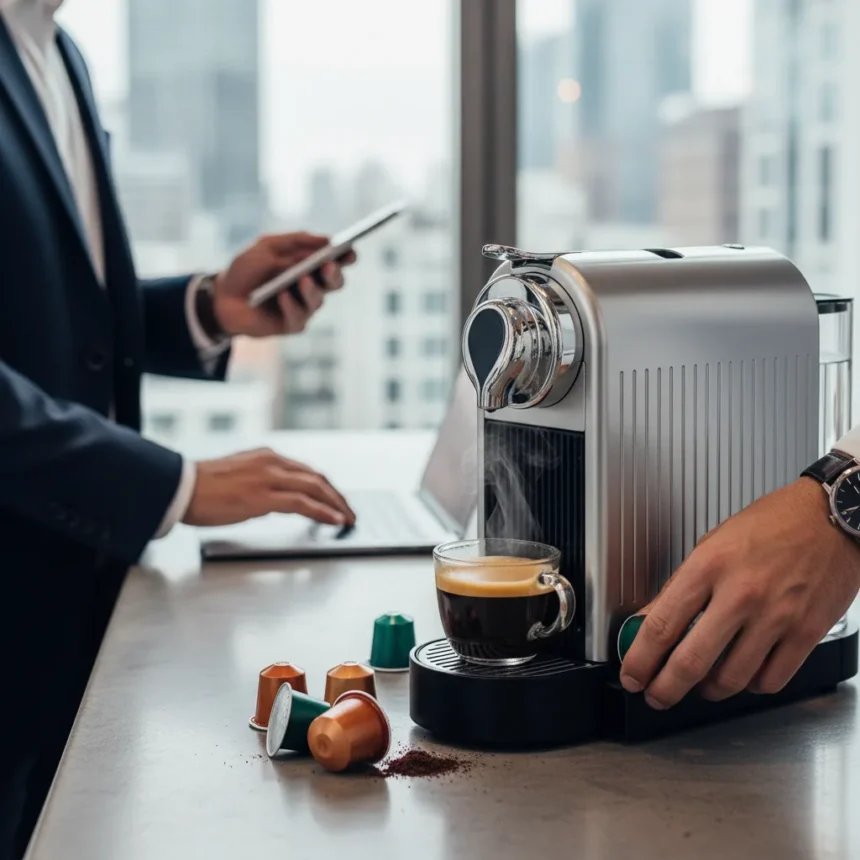
Nespresso coffee machines get a bad rap in specialty coffee circles, but dismissing them entirely misses the point. These machines solve a genuine problem: they deliver consistent, drinkable espresso in under two minutes without requiring barista-level skill or a counter full of equipment.
Key Takeaways
- Nespresso machines prioritize speed and consistency over craft, making them ideal for busy households.
- Coffee purists criticize the machines for limited control and proprietary capsule waste, valid concerns for enthusiasts.
- The real question is not whether Nespresso is “good” coffee, but whether it fits your lifestyle and priorities.
- Specialty coffee requires knowledge, technique, and time—not everyone has all three in the morning.
- Nespresso occupies a middle ground between instant coffee and manual espresso machines.
The Legitimate Criticism (and why it misses the mark)
Coffee snobs have real objections. Nespresso machines offer minimal grind adjustment, no ability to tamp or control extraction time, and they lock you into proprietary aluminum capsules. If you care about dialing in shots, experimenting with single-origin beans, or reducing waste, Nespresso is not your tool. The criticism is technically sound.
But here’s where the gatekeeping breaks down: most people do not want to become coffee technicians. They want coffee that tastes better than instant, takes less than five minutes, and does not require learning espresso fundamentals. Nespresso delivers on all three fronts. The machines produce a crema-topped shot with body and flavor complexity that drip coffee cannot match, and they do it consistently every single time.
Who Nespresso is actually for
Nespresso machines excel for people with specific constraints. If you work from home and have thirty minutes to dial in a grinder, Nespresso is unnecessary. If you wake up late, have a commute, and need coffee ready in ninety seconds, Nespresso makes sense. The same logic applies to households where only one or two people drink espresso—manual machines require practice and generate waste if shots go wrong, while Nespresso removes both friction points.


The machines also suit people living in small spaces. A full espresso setup demands counter real estate for a grinder, machine, tamper, scale, and knock box. A Nespresso machine and a milk frother fit on a shelf. For apartment dwellers or anyone with limited kitchen space, this is not a trivial advantage.
Nespresso vs. the alternatives
The comparison that matters is not Nespresso versus a $3,000 espresso setup—that is a false choice. The real question is Nespresso versus what most people actually do: buy mediocre espresso from cafes, drink instant at home, or abandon espresso entirely. Against those alternatives, Nespresso wins decisively. A decent shot from a Nespresso machine costs roughly the same as a coffee shop visit, but you control the milk, the temperature, and the timing.
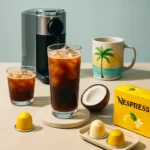


Manual espresso machines require genuine skill. A beginner will pull sour, bitter, or weak shots for weeks before dialing in technique. Nespresso removes that learning curve. You get a competent shot immediately. Is it as good as a skilled barista’s work? No. Is it dramatically better than what most home coffee drinkers would produce manually? Absolutely.
The waste problem is real
The one criticism that deserves serious weight is environmental impact. Aluminum capsules accumulate, and even recycling programs do not exist everywhere. If you drink two cups daily, that is 730 capsules per year. This is a legitimate drawback, and anyone choosing Nespresso should acknowledge it. Nespresso has expanded recycling options in some markets, but the problem remains systemic.
For people genuinely concerned about waste, a burr grinder and manual pour-over or French press makes sense, despite the higher barrier to entry. But for people who value their time and mental energy more than environmental perfection, Nespresso remains a pragmatic choice.
The real divide
The tension between Nespresso and specialty coffee reflects a deeper divide: coffee as hobby versus coffee as utility. Enthusiasts view coffee preparation as a craft worth mastering. For them, Nespresso machines represent a shortcut that sacrifices quality and agency. They are right about that trade-off.



But not everyone wants coffee to be a hobby. Some people want coffee to be a good beverage that takes two minutes to prepare so they can focus on other things. That is a valid priority. Nespresso serves that audience better than any alternative.
Should you buy a Nespresso machine?
Yes, if you drink espresso or cappuccinos regularly but lack time, space, or interest in manual espresso machines. No, if you enjoy the craft of coffee preparation or care deeply about environmental impact. The machines are not universally good or bad—they are well-suited to specific needs and poorly suited to others. Recognizing that distinction is more honest than insisting everyone should either buy a prosumer espresso machine or drink instant.
Are Nespresso machines worth the cost compared to coffee shop visits?
Over a year, a Nespresso machine pays for itself if you drink two or more espresso-based drinks weekly. A machine costs between $150 and $400 upfront, while coffee shop espresso drinks average $5 to $7 each. The math favors home brewing quickly. Capsules cost roughly $0.60 to $0.80 per shot, compared to $5 to $7 at a cafe.
Can you use non-Nespresso capsules in a Nespresso machine?
Some third-party capsules exist and work in certain Nespresso models, but compatibility varies by machine generation. Using non-proprietary capsules may void warranties and can damage the machine if they do not fit properly. Nespresso’s proprietary system is a drawback, but it also ensures consistency and safety.
Nespresso deserves neither blind devotion nor blanket dismissal. The machines occupy a legitimate middle ground—they are not craft coffee, but they are not instant either. For people who want good espresso without becoming coffee technicians, they work. For coffee enthusiasts, they represent a compromise worth understanding, even if it is not the compromise you would make yourself.
Where to Buy
Nespresso CitiZ & Milk: | fifty Starbucks pods for $28 | forty Atlas single-origin pods for $26 on Amazon
Edited by the All Things Geek team.
Source: Tom's Guide




