




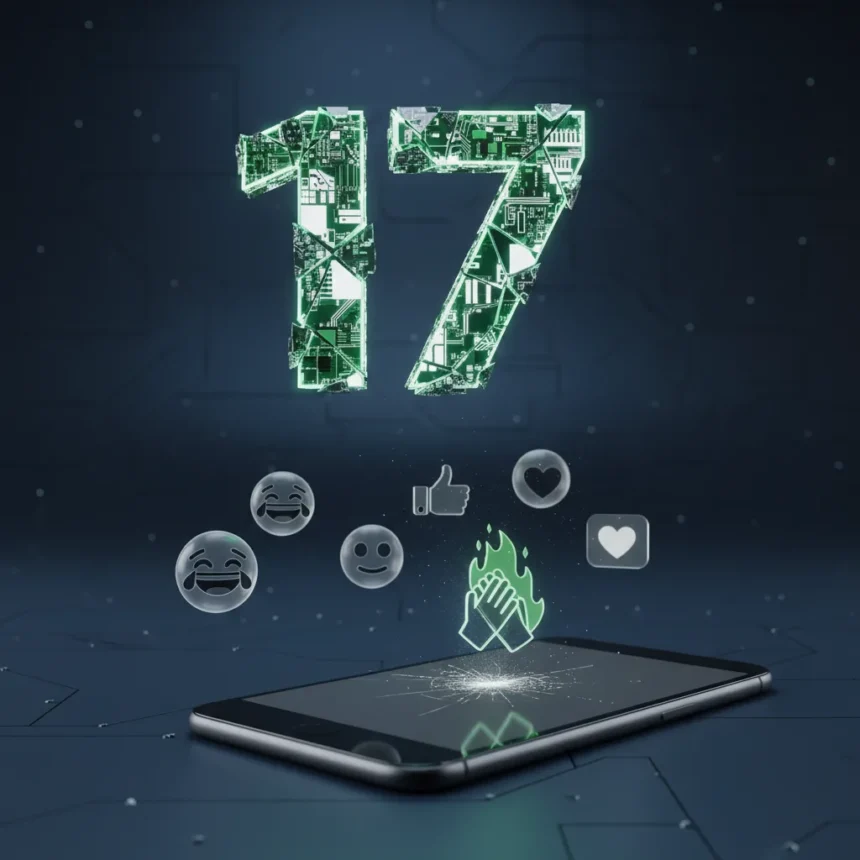
Android 17 upgrades were announced at The Android Show in 2026, introducing features like 3D emojis and Screen Reactions. Yet these additions expose a deeper problem: Google is polishing the surface while ignoring what actually frustrates Android users every day.
Key Takeaways
- Android 17 introduces 3D emojis and Screen Reactions as marquee features
- The Android Show 2026 unveiled seven major upgrades across the platform
- New features focus on visual expression rather than core system stability
- Android 17 upgrades continue Google’s trend of incremental, cosmetic improvements
- Competing platforms prioritize performance and privacy over emoji innovation
What Android 17 Upgrades Actually Include
Google’s Android 17 upgrades span seven major features, with 3D emojis and Screen Reactions leading the charge. The 3D emoji system allows users to send animated, three-dimensional emoji reactions in messages and conversations, moving beyond flat Unicode characters. Screen Reactions enable users to respond to notifications and messages with visual reactions that appear on the lock screen and notification shade, creating a more interactive notification experience without requiring a full app open.
These features represent Google’s continued emphasis on expressive communication tools. While visually appealing, they address a problem few Android users actually reported having. The market for better emoji rendering is niche. The demand for richer notification interactions exists, but it ranks far below requests for battery optimization, faster updates, and better cross-device synchronization.
Why Android 17 Upgrades Miss the Mark
The Android 17 upgrades announced at The Android Show reveal a strategic misalignment between what Google builds and what users need. Android fragmentation remains a critical issue—devices running Android 14, 15, and 16 still vastly outnumber Android 17 devices, yet Google allocates engineering resources to emoji 3D rendering instead of faster, broader rollout mechanisms.

Performance gains in Android 17 upgrades remain incremental. Battery life improvements, app launch speed, and RAM efficiency are the features that drive upgrade decisions, yet Google’s marketing push centers on visual novelties. This mirrors a broader industry pattern: manufacturers announce flashy features because they photograph well in keynotes, while grinding infrastructure work happens quietly in the background—if it happens at all.
Screen Reactions sound useful until you consider the friction: most users have already adapted to existing notification systems. The cognitive load of learning a new interaction paradigm for marginal benefit is real. Apple’s equivalent features—Live Activities and Dynamic Island—succeeded because they solved a genuine problem: showing live information without unlocking the phone. Screen Reactions solve a problem that doesn’t exist.



How Android 17 Upgrades Compare to iOS Evolution
Apple’s iOS 18 and beyond prioritize AI integration, privacy controls, and system-level performance. While both platforms add cosmetic features, Apple’s upgrades typically include deeper OS-level changes that affect how the entire system behaves. iOS updates ship faster across a unified hardware lineup, meaning new features reach users within weeks, not months.
Android 17 upgrades face the manufacturer fragmentation problem that has plagued the platform for a decade. Even if every OEM commits to day-one Android 17 rollout—unlikely—the customization layers (Samsung One UI, OnePlus OxygenOS, Xiaomi MIUI) will delay and modify these features. A 3D emoji looks different on a Samsung phone than a Google Pixel, creating a fragmented user experience that undermines the feature’s value.
What Android 17 Upgrades Should Have Included
If Google truly wanted to move the needle with Android 17 upgrades, the focus should have been on three areas. First: mandatory security update delivery within 30 days of announcement, with enforcement mechanisms that prevent manufacturers from delaying patches. Second: system-level performance optimization that actually improves battery life by 20 percent or more, not the marginal 5 percent gains typical of recent releases. Third: unified notification management that works identically across all Android devices, regardless of manufacturer skin.
None of these features are exciting. None of them generate applause at a keynote. All of them would tangibly improve the Android experience for hundreds of millions of users. Google’s choice to spotlight 3D emojis instead reveals where the company’s priorities lie: marketing appeal over user satisfaction.


Is Android 17 worth upgrading for?
Android 17 upgrades are worth upgrading for only if you use emoji reactions frequently or spend significant time managing lock screen notifications. For most users, the jump from Android 16 to Android 17 offers little practical benefit. Wait for your manufacturer’s rollout schedule rather than rushing to update—the new features are not compelling enough to warrant immediate action.
When will Android 17 upgrades roll out to my device?
Android 17 upgrades typically reach Google Pixel devices first, within weeks of announcement. Samsung, OnePlus, and other manufacturers usually follow within 2-4 months, though their custom interfaces may delay or modify the features. Budget and mid-range devices often wait 6-12 months or never receive the update at all, depending on manufacturer support policies.
What’s the difference between Android 17 upgrades and previous Android versions?
Android 17 upgrades focus more heavily on visual communication tools (3D emojis, Screen Reactions) compared to Android 16, which emphasized performance and privacy. Each major Android release follows a pattern: one cycle prioritizes features, the next prioritizes stability. Android 17 is a feature cycle, meaning flashy additions come at the expense of under-the-hood refinement.
Android 17 upgrades represent a platform treading water. Google has the engineering talent to solve Android’s real problems—fragmentation, update delays, performance inconsistency—yet chooses instead to chase cosmetic innovation. Until that changes, Android users will keep watching iOS evolve faster while their own platform stagnates behind manufacturer delays and half-baked feature additions.
Where to Buy
Samsung Galaxy S26 | Samsung Galaxy S26 Plus | Samsung Galaxy S26 Ultra | Google Pixel 10 | Google Pixel 10a
Edited by the All Things Geek team.
Source: TechRadar