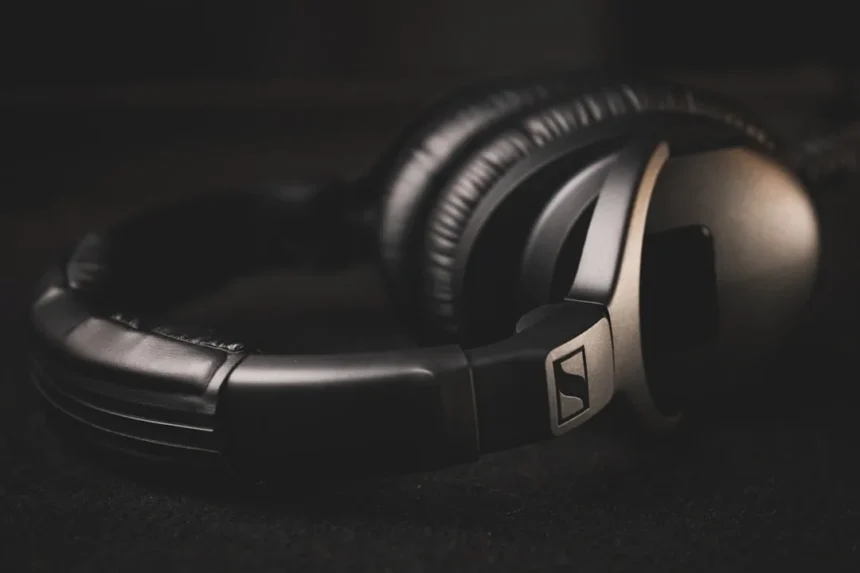
The Sennheiser HD-25 headphones have been the gold standard for DJs, producers, and studio engineers for over three decades. These aren’t trendy consumer headphones designed for casual listening—they’re purpose-built tools that have shaped how professionals monitor and mix music across the globe. The moment you strap them on, you understand why studios refuse to replace them with newer alternatives.
Key Takeaways
- The Sennheiser HD-25 headphones dominate professional DJ and studio monitoring applications worldwide.
- Their closed-back design delivers accurate, isolated sound critical for mixing and live performance.
- Robust build quality and replaceable components make them a long-term investment rather than disposable gear.
- No modern headphone has successfully replicated the HD-25’s specific combination of accuracy, isolation, and durability.
- Production discontinuation would leave a gap in the professional audio market with no true equivalent.
Why the Sennheiser HD-25 Headphones Dominate Studios
The Sennheiser HD-25 headphones deliver closed-back acoustic isolation that forces you to hear every detail—flaws and all. This isn’t comfort listening; it’s clinical accuracy. For DJs spinning records in loud clubs, that sealed design means you can hear your cue points and beat matching without ambient noise bleeding through. For studio engineers mixing in untreated rooms, the same isolation prevents the space from coloring your mix decisions. The headphones reveal problems that open-back designs would hide, which is precisely why professionals trust them.
The build philosophy separates the HD-25 from competitors designed for casual consumers. These headphones feature replaceable ear pads, cables, and headband components—a rarity in modern audio gear. When the padding deteriorates after years of use, you swap it out. When a cable fails, you replace it. This modularity transforms the HD-25 from a disposable product into genuine studio infrastructure. Studios don’t retire these headphones; they maintain them.
Sennheiser HD-25 Headphones in Professional Workflows
DJs rely on the Sennheiser HD-25 headphones because they must trust their equipment during live performance. A split-second delay in hearing a cue point or a frequency imbalance that masks a bass drop can ruin a set. The closed-back design and consistent sound signature mean that whether you’re mixing in a studio or cueing tracks at 2 AM in a packed venue, your headphones behave identically. That predictability is non-negotiable for professionals whose reputation depends on flawless execution.



Studio producers use these headphones for reference monitoring during tracking and mixing sessions. The accuracy they provide means you can catch phase issues, frequency buildup, and mix imbalances that cheaper headphones would gloss over. Once you’ve mixed on the HD-25, switching to consumer-grade headphones feels like losing resolution—suddenly you’re missing information you previously relied on. That dependency isn’t a weakness; it’s a sign the tool is doing its job.
The Irreplaceability Problem
The real concern isn’t that the Sennheiser HD-25 headphones are perfect—they’re not. The concern is that nothing else occupies their specific niche. Modern headphone design has drifted toward wireless convenience, active noise cancellation, and lifestyle branding. Those features mean nothing to a DJ who needs a wired connection that won’t drop mid-set or to a mixing engineer who cares only about acoustic transparency. The market has moved on, but the professional audio world hasn’t found a replacement that matches the HD-25’s combination of isolation, accuracy, durability, and price point.



If Sennheiser discontinued the HD-25 headphones, studios and DJs wouldn’t upgrade to the latest flagship model—they’d stockpile used units on the secondhand market. That’s what happened with other discontinued professional tools. The headphones would become more expensive over time as supply tightened. New engineers entering the field would struggle to access the industry standard, fragmenting the professional audio landscape. The HD-25 isn’t just a product; it’s infrastructure that the industry has built workflows around.
What Makes These Headphones Worth Defending
The Sennheiser HD-25 headphones represent a philosophy of design that prioritizes function over fashion. They look industrial because they are industrial. The aesthetic hasn’t changed significantly in decades because the form serves the function perfectly. This is the opposite of consumer tech, where constant redesigns create artificial obsolescence. A pair of HD-25s from 2000 sounds and feels nearly identical to a pair from 2024, which means an engineer’s muscle memory and mixing decisions remain valid across years of work.
Longevity in professional audio isn’t sentimental—it’s economic. Studios invest in the Sennheiser HD-25 headphones knowing they’ll outlast trends, software versions, and equipment upgrades. That reliability builds trust. When you’re making decisions that affect the final mix of a record, you want tools you’ve used for years, not devices that will be discontinued in eighteen months and replaced by something the manufacturer claims is “better.” The HD-25 has earned that trust through decades of consistent performance.
Could anything replace the Sennheiser HD-25 headphones?
No current headphone matches the HD-25’s specific acoustic profile, closed-back isolation, and modular durability. While other professional headphones exist, they target different use cases—wireless models sacrifice the wired reliability DJs need, and consumer-focused models lack the isolation and accuracy for critical mixing work. A true replacement would require a manufacturer willing to design for professional needs rather than market trends.



Are Sennheiser HD-25 headphones still manufactured?
Yes, the Sennheiser HD-25 headphones remain in production and are available through the company’s official channels and authorized retailers. However, the concern in professional audio circles is whether Sennheiser will continue manufacturing them as consumer preferences shift toward wireless and lifestyle-oriented products.
What’s the difference between the Sennheiser HD-25 and modern studio headphones?
Modern studio headphones often prioritize wireless connectivity, active noise cancellation, and comfort for extended listening. The Sennheiser HD-25 headphones prioritize acoustic accuracy, isolation through passive design, and modular durability over wireless convenience. For DJs and mixing engineers, those trade-offs make the HD-25 the superior choice despite its age.
The Sennheiser HD-25 headphones matter because they’ve become the reference standard for professional audio work. Losing them wouldn’t just remove a product from shelves—it would remove a tool that studios, DJs, and engineers have built careers around. That’s why the possibility of discontinuation genuinely concerns the people who depend on them. Some products are replaceable; some are essential. The HD-25 has proven itself essential.
Where to Buy
Sennheiser HD25 | Sennheiser HD – 25
Edited by the All Things Geek team.
Source: T3