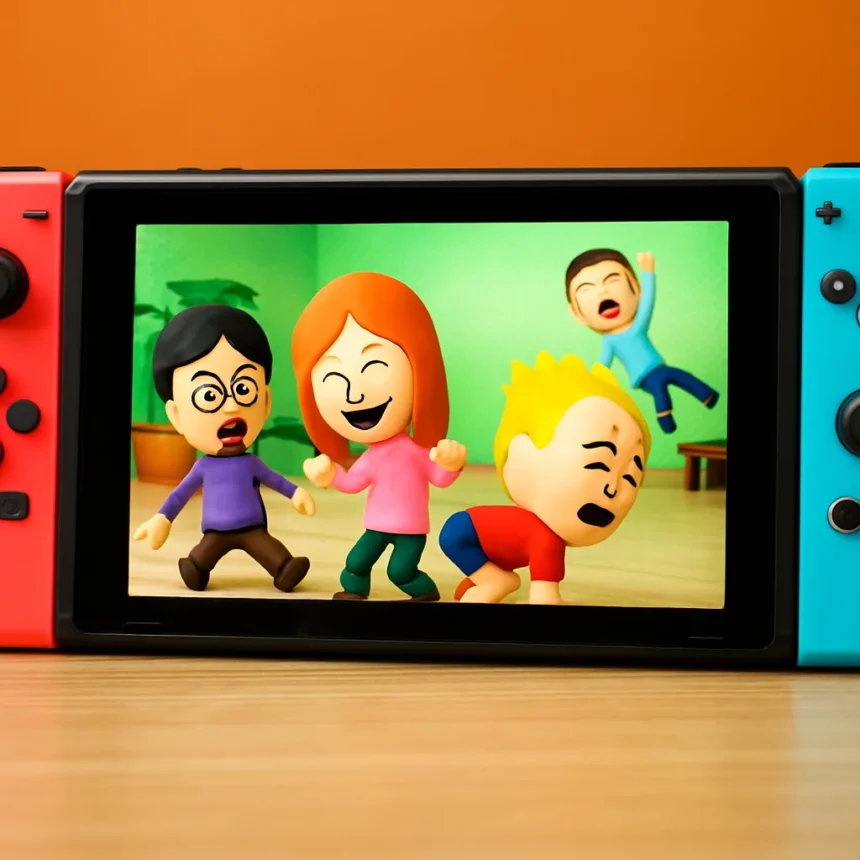
Tomodachi Life: Living the Dream is a life simulation sequel arriving April 16, 2026, on Nintendo Switch, built from the ground up as a viral clip generator where player-created Miis perform increasingly absurd interactions that practically beg to be shared across social media. The original Tomodachi Life was a cult hit on 3DS, but this sequel leans hard into what makes the series genuinely funny: the chaos that emerges when you populate an island with bizarre custom characters and let them loose.
Key Takeaways
- Tomodachi Life: Living the Dream launches April 16, 2026, on Nintendo Switch with a playable demo available now.
- Granular Mii customization includes age, face shape, hairstyles with bangs and back options, hair dye, ear shapes, color highlights, and personality sliders.
- Island gameplay centers on moving Miis to initiate friendships, romances, and conversations that generate shareable moments.
- Player actions boost individual Mii happiness and overall island level, unlocking new buildings and rewards.
- Demo players describe the experience as addictive, with one reviewer noting the game is “taking over my life”.
Why Tomodachi Life: Living the Dream Works as Social Media Content
The core appeal here is emergent humor. You do not script the funny moments—they happen organically when your custom Miis interact. One player created a Mii clone of TechRadar editor Rob Dwiar and watched as the character was assigned the catchphrase “It’s Rob time,” a detail that is simultaneously ridiculous and perfectly shareable. That is the entire design philosophy. Tomodachi Life: Living the Dream prioritizes the moments that make people laugh and reach for their phone to record a clip.
Unlike Animal Crossing: New Horizons, which emphasizes slow-paced relaxation and aesthetic control, Tomodachi Life: Living the Dream cranks up the chaos dial. You still terraform, move houses, and build activity areas, but the real draw is watching your Miis behave in unpredictable ways. The game understands that modern players want content they can share—not just play privately. The demo alone has sparked genuine enthusiasm, with early testers calling it “peak” and reporting that it is already consuming their free time.
Customization That Actually Matters
The Mii creator has been overhauled with granular control that rivals the customization depth of Miitopia on Switch. You select age and face shape first, then drill into specifics: hairstyles with separate bangs and back options, hair dye, nose shapes, ear shapes, and even color highlights. The voice system uses sliders instead of preset options, letting you fine-tune pitch and tone to match your character’s personality. Then comes the personality chart—Movement, Speech, Energy, Thinking, and Overall levels determine personality type, which changes how your Mii behaves and interacts.


This level of control means your Miis feel genuinely yours. The demo showed players can edit visuals freely after creation, and the quick pop-up menu for viewing all Miis makes management seamless. One quirk: at least one demo player reported their custom Mii was assigned forced ginger hair despite their input, suggesting some edge cases in the creator still exist. Minor issue, but worth noting.
Island Progression and Happiness Mechanics
Gameplay loop is straightforward but addictive. You pick up and move Miis around the island, initiating chats and selecting conversation topics to build relationships. Friendships and romances blossom based on your choices. Every action boosts individual Mii happiness and overall island level. Raise the island level, unlock new buildings and rewards. Move houses around, terraform terrain, build activity areas—the island is yours to reshape.



The streamlined saving system is a quality-of-life win over the original, though it strips out the silly animations that made saving feel like an event. Speed matters when you are juggling multiple Mii interactions, so the trade-off makes sense. The treasure system adds another layer of discovery—bizarre items and expanded content keep progression feeling fresh.
What the Demo Reveals About the Full Game
Nintendo packed a 22-minute Direct with announcements, positioning Tomodachi Life: Living the Dream as a top 2026 anticipated title. The demo is not a tiny slice—it is substantial enough that players are already reporting addiction. One tester said “I can officially say that the next 3 weeks are going to feel extremely long because this game is incredible so far”. That is not hype. That is someone who has played it and cannot wait for April 16.
The demo state shows adorable Mii interactions even before launch, suggesting the full game will deliver the chaotic, shareable moments the marketing promises. If you are the type who records clips of funny game moments and shares them online, Tomodachi Life: Living the Dream is explicitly designed for you.
Is the demo worth playing?
Absolutely. The demo is free and gives you a genuine taste of the island-building and Mii interaction loop. It is long enough to understand whether the game hooks you, and early feedback suggests it will. Do not expect a tiny vertical slice—testers are already sinking hours into it.


How does Tomodachi Life: Living the Dream compare to the original 3DS game?
The sequel streamlines controls and saves while keeping the core appeal intact. The original was a cult hit, but this version is built explicitly for social media sharing and modern Switch audiences. The Mii customization is deeper, the island tools are more powerful, and the whole experience feels designed around generating viral moments.
What makes the Mii personality system different?
Instead of picking from preset personality types, you adjust five sliders—Movement, Speech, Energy, Thinking, and Overall—then the game assigns your personality type based on those values. This gives you more granular control over how your Mii behaves and interacts with others on the island.
Tomodachi Life: Living the Dream is not a deep narrative experience or a complex strategy game. It is a chaos engine wrapped in charming visuals, designed to generate moments that make you laugh and want to share them. That is exactly what it should be, and the April 16, 2026 launch cannot come soon enough for the players already hooked on the demo.
Where to Buy
$59.99 at Amazon | $59.99 at Amazon
Edited by the All Things Geek team.
Source: TechRadar