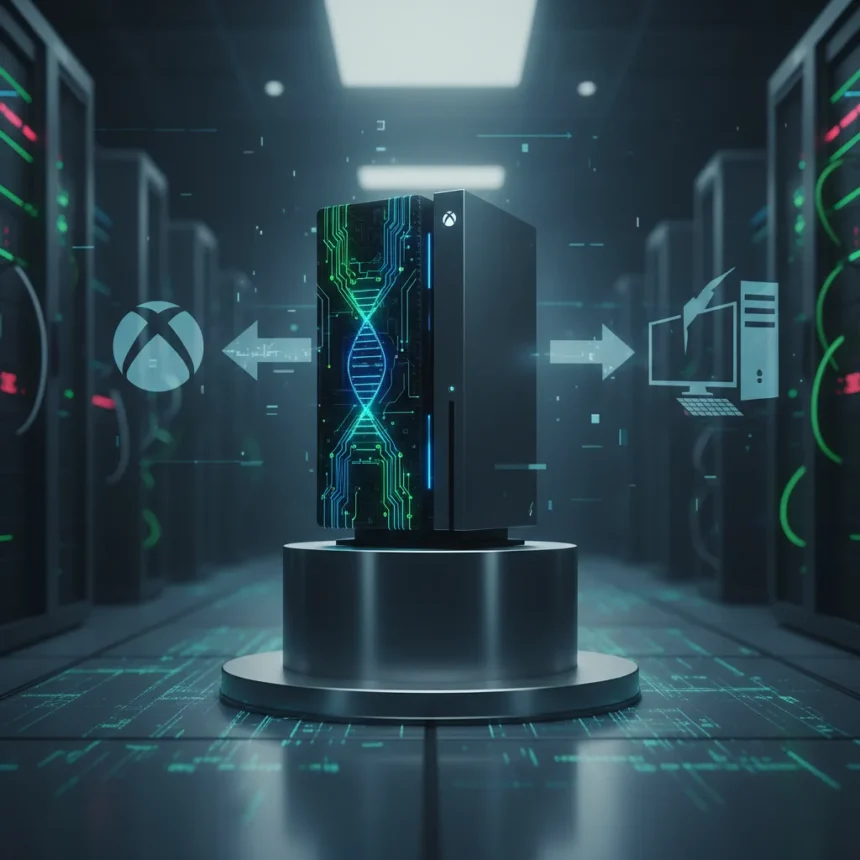
Xbox Project Helix represents a fundamental reimagining of what Microsoft Gaming means in 2026 and beyond. The next-generation device, announced under new CEO Asha Sharma, abandons the traditional console formula entirely in favor of a PC-console hybrid architecture. This shift signals that Microsoft is no longer chasing console dominance—it is building an ecosystem where gaming hardware becomes secondary to software, Game Pass, and cloud integration.
Key Takeaways
- Xbox Project Helix is a PC-console hybrid, not a traditional gaming console.
- Asha Sharma leads the initiative as new Microsoft CEO overseeing gaming strategy.
- The device blurs boundaries between console simplicity and PC gaming flexibility.
- Project Helix represents departure from the Phil Spencer era of Xbox leadership.
- Microsoft’s ecosystem strategy prioritizes Game Pass, PC integration, and cloud gaming over hardware exclusives.
What Xbox Project Helix Actually Is
Xbox Project Helix is not a successor to Xbox Series X in the traditional sense. Instead of a fixed-spec console that runs proprietary games, it is designed as a PC-console hybrid that merges the accessibility of a traditional console with the flexibility of PC gaming. This architectural choice reflects a broader strategic shift: Microsoft no longer believes the future of gaming lives in closed, exclusive hardware ecosystems. The device aims to blur the lines between console simplicity and PC gaming power, allowing players to move smoothly between both experiences without compromise.
The hybrid approach addresses a market reality that traditional console makers have struggled to acknowledge. Console gamers want simplicity; PC gamers want flexibility. Most hardware makers force a choice. Xbox Project Helix attempts to offer both, running games natively while maintaining the plug-and-play experience console players expect. Whether this hybrid model actually delivers on that promise remains to be seen, but the ambition itself signals how far Microsoft’s thinking has evolved.
Why Microsoft Gaming Needed to Die
The Phil Spencer era of Xbox leadership built a respectable gaming division, but it was fundamentally constrained by console-centric thinking. Spencer’s strategy relied on exclusive games, hardware sales targets, and the traditional console cycle—launch, dominate, decline, repeat. This model worked for PlayStation and Nintendo because they owned the software ecosystem. Microsoft never achieved that level of software dominance, leaving it trapped in a hardware race it could not win against Sony’s stronger first-party studios.
Asha Sharma’s appointment signals a clean break from this approach. Rather than fighting Sony on console exclusives, Microsoft is pivoting toward what it actually does well: software infrastructure, Game Pass, and cloud services. Killing the Microsoft Gaming brand is not a retreat—it is a reorientation. The company is no longer trying to be a console maker. It is trying to be the platform that runs games everywhere: console, PC, cloud, phone. That is a fundamentally different business, and it requires different leadership, different incentives, and a different organizational structure.
The Ecosystem Play: Why Hardware Matters Less Now
Xbox Project Helix only makes sense within Microsoft’s broader ecosystem strategy. Game Pass is the real product. Cloud gaming is the real infrastructure. The console—or hybrid device—is simply the delivery mechanism. This inversion of priorities explains why Project Helix can afford to be a PC-console hybrid rather than a pure console: Microsoft no longer needs to lock players into proprietary hardware to lock them into proprietary software.
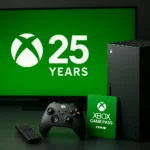
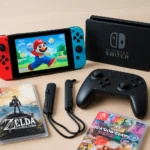
This strategy mirrors how Netflix thinks about devices. Netflix does not care whether you watch on a TV, phone, or tablet—it cares that you have a subscription and watch content. Similarly, Microsoft does not care whether you play on a console, PC, or cloud stream—it cares that you subscribe to Game Pass and stay within the ecosystem. Project Helix is the hardware manifestation of that philosophy. It is a device designed to be agnostic about how you play, as long as you play within Microsoft’s ecosystem. For players accustomed to exclusive games and hardware lock-in, this feels like a loss. For Microsoft’s balance sheet, it is liberation from a losing hardware race.
What This Means for Xbox’s Future
If Xbox Project Helix launches as described, expect a device that feels neither fully console nor fully PC. It will likely run Windows or a Windows-adjacent OS, support both traditional game controllers and keyboard-mouse input, and smoothly switch between docked and portable modes. Whether players actually want this hybrid experience is an open question—most gamers have strong preferences for one form factor or the other. But Microsoft is betting that the friction of choice is worth eliminating, and that enough players will appreciate the flexibility to justify the engineering complexity.
The bigger implication is organizational. Microsoft Gaming no longer exists as a separate division pursuing console dominance. Instead, gaming becomes one application of Microsoft’s broader cloud, AI, and software strategy. That is a more honest framing of what Microsoft actually is: a software and services company that happens to make gaming products, not a gaming company that also does software. Under Asha Sharma’s leadership, expect that distinction to become increasingly clear in product strategy, marketing messaging, and hardware design.
How does Xbox Project Helix differ from traditional consoles?
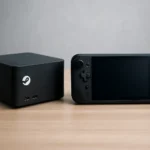
Xbox Project Helix is a PC-console hybrid rather than a traditional console. Instead of running proprietary hardware and exclusive games, it merges console simplicity with PC gaming flexibility, allowing players to experience both without compromise. This represents a fundamental departure from how Xbox Series X and PlayStation 5 approach gaming.

Is Xbox Project Helix replacing Xbox Series X?
Yes, Xbox Project Helix is Microsoft’s next-generation device and successor to the Xbox Series X. However, it is not a traditional console successor—it is an entirely different category of hardware designed around hybrid gaming rather than exclusive console performance.
Why did Microsoft rebrand away from Xbox Gaming?
Microsoft Gaming as a brand no longer reflects the company’s actual strategy. Under new CEO Asha Sharma, the focus has shifted from console dominance to ecosystem integration, Game Pass subscription services, and cloud gaming. The rebrand signals this strategic pivot and allows Microsoft to pursue hardware and software strategies that transcend traditional console thinking.
Xbox Project Helix is not the future of consoles—it is the future of Microsoft Gaming without the console. Whether that future resonates with players depends entirely on execution. The vision is compelling: a device that eliminates the false choice between console and PC gaming. But visions are cheap. Delivery is everything. Sharma and her team have inherited a gaming division that needs to prove it can compete in a market where hardware matters less than ever. Project Helix is their bet that this new direction is the way forward.
Where to Buy
Asus ROG Xbox Ally X | Microsoft Microsoft Xbox Series S | Microsoft Xbox Series X | Microsoft Xbox Series X Digital Edition | ASUS ROG Xbox Ally
Edited by the All Things Geek team.
Source: T3