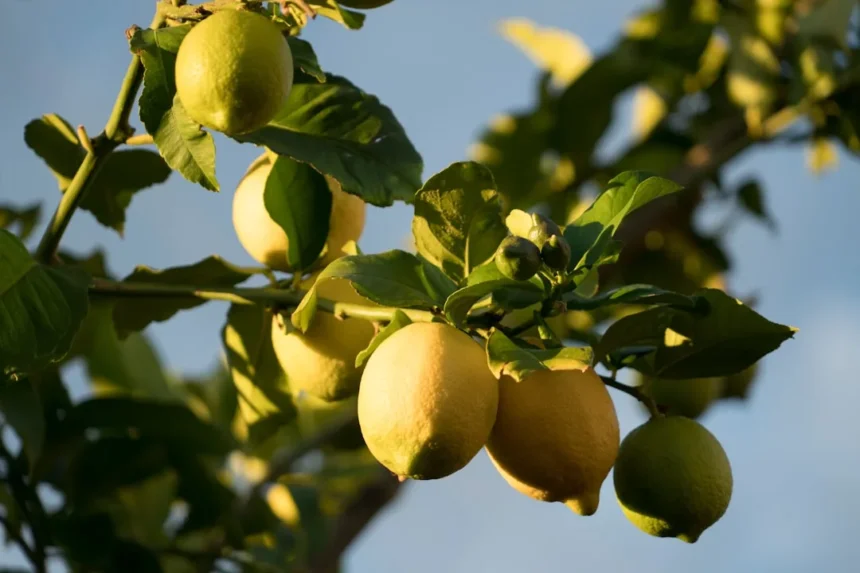
A lemon tree won’t fruit when something in its growing environment is broken—and the problem is rarely obvious. You water it, feed it, give it sunlight, and the tree rewards you with vigorous green foliage and absolutely nothing else. No flowers, no fruit, just leaves. The frustration is real, and the solution is fixable. Here are five reasons your lemon tree won’t fruit and the specific changes that will get it producing again.
Key Takeaways
- Rootbound lemon trees cannot absorb water or nutrients properly, even with correct care.
- Yellowing leaves often signal rootbound stress, not a feeding or watering problem.
- Multiple environmental factors can prevent fruiting; addressing one issue may not be enough.
- Lemon trees require specific conditions to shift from vegetative growth to fruit production.
- The fix depends on identifying which of the five causes is actually limiting your tree.
Your lemon tree won’t fruit because it’s rootbound
A rootbound lemon tree has outgrown its container and its roots now fill every inch of available soil. When roots have nowhere left to expand, the plant cannot absorb water or nutrients efficiently, no matter how much you water or feed it. This triggers a cascade of problems that prevent fruiting. The tree looks healthy on the surface—green leaves, vigorous growth—but it is actually suffocating underground.
Yellowing leaves are often the first sign of rootbound stress, and many gardeners mistake this symptom for a nutrient deficiency or watering error, leading them to chase the wrong fix. The real problem is physical: the roots need more space. If you suspect your lemon tree is rootbound, tip the pot on its side and gently slide the root ball out. If the roots form a dense mat around the perimeter with little visible soil, repotting into a larger container is essential. Use well-draining potting soil and choose a pot at least 2 inches larger in diameter than the current one.
Four other environmental factors prevent lemon fruiting
Beyond being rootbound, lemon trees fail to fruit for four additional reasons that relate to light, temperature, nutrition, and maturity. Each one must be addressed individually because fixing one problem does not guarantee fruiting if another factor is also limiting the tree. Think of fruiting as a checklist: every condition must be met simultaneously.


The remaining causes involve the tree’s access to proper light, adequate temperatures for flower formation, balanced nutrition that favors fruiting over leaf growth, and sufficient maturity to produce fruit. A young lemon tree planted from seed may take years to mature, while a grafted nursery tree can fruit within months of the right conditions. Without knowing which of these four factors is limiting your specific tree, you risk continuing to apply fixes that do not address the actual bottleneck.
How to diagnose which reason is stopping your lemon tree
Start by checking if your tree is rootbound—that is the easiest problem to confirm and fix. Remove the tree from its pot and inspect the root system. Dense, circling roots with minimal soil visible means repotting is urgent. If the roots look healthy and have space, move on to the next four causes: light exposure, temperature consistency, fertilizer balance, and tree age.



Light is non-negotiable. Lemon trees need at least 6 to 8 hours of direct sunlight daily to set fruit. If your tree is indoors or in a shaded spot, relocating it to a sunnier position is the first change to make. Temperature also matters—lemon trees flower best when exposed to a period of cooler temperatures in winter, followed by warmth in spring. If your tree lives in a climate-controlled room at constant temperature year-round, it may never receive the signal to flower. Nutrition is the third factor: excessive nitrogen fertilizer promotes leaf growth at the expense of flowers and fruit. Switch to a fertilizer formulated for fruiting plants, which typically has lower nitrogen and higher phosphorus and potassium.
Why your lemon tree’s age matters
A lemon tree grown from seed will not fruit for 3 to 6 years or longer, regardless of how perfect your care is. Grafted nursery trees, by contrast, can fruit within 1 to 2 years of planting. If you started your tree from a seed you saved from a store-bought lemon, patience is the only cure. If you bought a grafted tree from a nursery and it is still not fruiting after a year of good care, one of the four environmental factors above is the limiting problem.
FAQ
What does a rootbound lemon tree look like?
A rootbound tree shows yellowing leaves, stunted growth despite good care, and roots that circle densely around the soil surface when you remove the pot. The root ball feels hard and compacted, with little visible soil between the roots. Repotting into a larger container with fresh soil is the immediate fix.
Can a lemon tree fruit indoors?
Lemon trees can produce fruit indoors if they receive at least 6 to 8 hours of direct sunlight daily, either from a south-facing window or a grow light. Without sufficient light, indoor lemon trees will grow foliage but rarely set flowers or fruit. Temperature stability can also be a problem indoors—many homes lack the cool winter period that triggers flowering.



How long does it take for a lemon tree to produce fruit after repotting?
After repotting a rootbound tree, you may see improvement in leaf color within weeks, but fruiting typically takes several months to a year, depending on which other environmental factors are also limiting the tree. Addressing rootbound stress removes one bottleneck, but the tree must also have adequate light, temperature variation, and proper nutrition to flower and set fruit.
Your lemon tree won’t fruit because something in its environment is broken, and that something is almost always fixable. Start with the easiest diagnosis—is it rootbound?—and work through the four remaining causes methodically. Once you identify and address the actual limiting factor, your tree will shift from producing leaves to producing fruit.
Edited by the All Things Geek team.
Source: Tom's Guide