



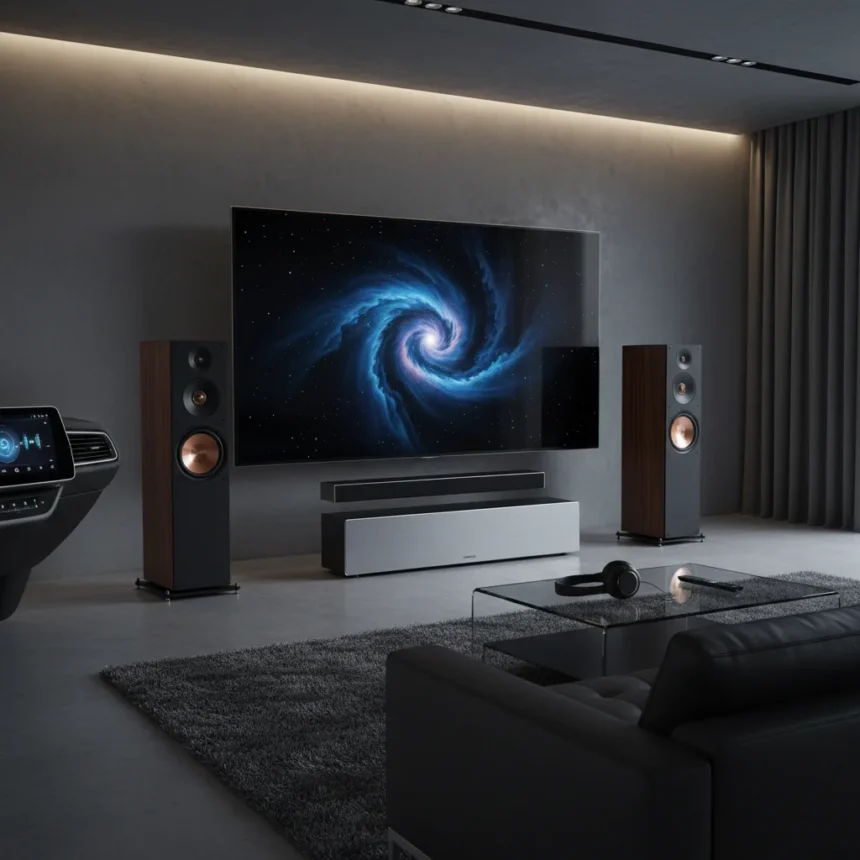
Premium audio OLED TV trends are reshaping the home entertainment landscape as consumers invest heavily in display and speaker technology that once belonged exclusively to specialty retailers and professional environments. The convergence of better OLED panels, high-fidelity speaker systems, and immersive audio formats is creating a new category of aspirational home theater that competes with cinema experiences.
Key Takeaways
- OLED TVs continue to dominate premium display purchases despite competition from other technologies
- High-end JBL speaker systems command significant price premiums in the luxury audio market
- Dolby Atmos automotive audio systems are expanding beyond home theaters into vehicle cabins
- BMW audio installations represent growing demand for premium in-car sound quality
- Consumer spending on audio-visual systems shows sustained growth in the luxury segment
Why OLED Television Remains the Premium Standard
OLED technology continues to dominate the high-end television market because it delivers pixel-level control that LCD and other display technologies cannot match. Each pixel produces its own light, eliminating the need for a backlight and enabling true blacks alongside perfect contrast ratios. This architectural advantage translates to visual fidelity that justifies premium pricing for discerning viewers who prioritize image quality above all else.
The intervention in consumer behavior around OLED adoption reflects a fundamental shift in how people evaluate television purchases. Rather than viewing displays as commodity products defined by screen size and refresh rate, affluent consumers now treat them as centerpieces of carefully curated home entertainment systems. OLED panels integrate smoothly with high-end audio components, creating synergy that single-technology purchases cannot provide.
High-End JBL Speakers Define Luxury Audio Positioning
JBL’s high-end speaker offerings occupy a distinct position in the premium audio market, targeting consumers willing to invest substantially in sound reproduction. These systems emphasize engineering precision and acoustic design rather than competing on wireless convenience or compact form factors. The speaker reviews highlight how JBL’s approach prioritizes driver quality, cabinet construction, and frequency response accuracy—elements that appeal to audiophiles and home theater enthusiasts with dedicated listening spaces.

Comparing JBL’s high-end systems to mass-market wireless speakers reveals a philosophical divide in audio manufacturing. While mainstream brands prioritize portability and ecosystem integration, premium JBL systems demand proper placement, amplification, and room treatment to deliver their intended performance. This requirement for optimization actually reinforces their positioning as luxury products that reward serious investment and planning.
Dolby Atmos Expands From Home to Automotive Environments
Dolby Atmos audio technology, originally designed for cinema and home theater applications, is now expanding into automotive environments where premium sound systems command significant attention. BMW’s implementation of Dolby Atmos in vehicle cabins demonstrates how immersive audio formats are transitioning beyond stationary listening spaces into mobile contexts. This expansion reflects broader consumer appetite for high-quality audio across all entertainment touchpoints.
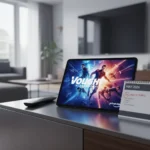
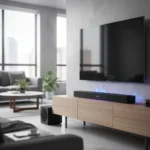

The BMW Dolby Atmos system represents a convergence of automotive engineering and premium audio design. Rather than treating the vehicle cabin as an acoustic compromise, manufacturers now invest in speaker placement, acoustic treatment, and processing technology that rivals dedicated home theater rooms. This shift acknowledges that consumers spending premium prices on vehicles expect corresponding audio quality, creating new market opportunities for audio component suppliers and system integrators.
The Convergence of Display and Audio Investment
Premium audio OLED TV trends reveal that consumers increasingly view display and audio as interdependent rather than separate purchasing decisions. A high-quality OLED television demands equally sophisticated audio reproduction to deliver the cinematic experience it promises. This bundled mindset drives purchasing patterns where affluent consumers allocate substantial budgets to both components simultaneously, creating growth opportunities for retailers and manufacturers who can present integrated solutions.
The market data shows sustained momentum in luxury home entertainment spending despite broader economic uncertainty. Consumers prioritizing premium audio OLED TV systems tend to view these purchases as long-term investments in lifestyle quality rather than discretionary upgrades. This psychological framing supports higher price points and justifies the engineering complexity that high-end products require.
What defines a premium OLED television?
Premium OLED televisions combine pixel-level brightness control, superior color accuracy, and advanced processing that standard models lack. The true distinction lies in display panel quality, local dimming precision, and integration capabilities that enable seamless connection with high-end audio systems and smart home environments.


Are high-end JBL speakers worth the investment?
High-end JBL speakers justify premium pricing for listeners with dedicated listening spaces who can optimize room acoustics and amplification. Casual listeners in multi-purpose rooms may experience diminishing returns, but serious audiophiles consistently report that JBL’s engineering delivers measurable improvements in clarity, soundstage, and frequency response accuracy.
How does automotive Dolby Atmos compare to home theater implementations?
Automotive Dolby Atmos systems adapt immersive audio technology to moving vehicles with inherent acoustic challenges, including road noise and reflective surfaces. While they cannot match the acoustic precision of optimized home theater rooms, premium automotive implementations deliver surprising fidelity and spatial accuracy that transform the driving experience.
The trajectory of premium audio OLED TV trends points toward continued convergence between home and automotive entertainment environments. As consumers demand consistent audio-visual quality across all spaces, manufacturers will continue investing in immersive technologies and premium components that justify substantial price premiums. The shift reflects a fundamental revaluation of entertainment quality as a lifestyle priority rather than a technical specification.
Where to Buy
This article was written with AI assistance and editorially reviewed.
Source: What Hi-Fi?