




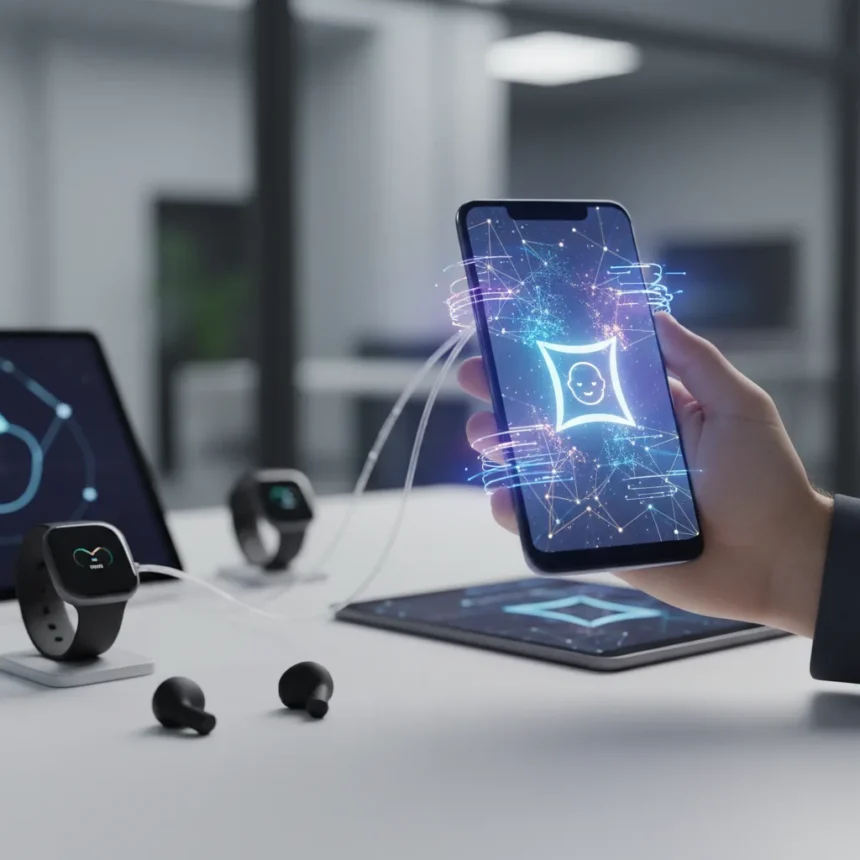
Gemini Memories is Google’s new feature that enables Gemini AI to retain conversations and user interactions, delivering personalized device experiences based on your life details and communication history. This marks a fundamental shift in how Pixel phones handle intelligence—moving from reactive assistance to proactive, context-aware automation powered by generative AI.
Key Takeaways
- Gemini Memories allows Gemini to remember everything discussed in conversations for deeper personalization.
- Magic Cue, a complementary feature, analyzes your intent from messages and apps to automate suggestions like finding photos or dialing contacts.
- Google is retiring Google Assistant on phones by end of 2026, with Gemini taking full control.
- Gemini’s generative AI foundation makes it superior to Assistant for chatting and information lookup.
- Little Patterns in Google Photos creates personalized memories from visual similarities, aligning with the memory theme.
How Gemini Memories Works on Pixel Devices
Gemini Memories fundamentally changes how your phone understands you. Instead of treating each interaction as isolated, Gemini Memories retains context from previous conversations, building a profile of your preferences, habits, and needs. This enables the system to make smarter suggestions without requiring you to repeat yourself constantly.
The feature works alongside Magic Cue, which uses Gemini to analyze what you’re trying to accomplish from your messages and apps, then connects the dots across your phone to automate relevant actions. If you mention a friend’s name in a message, Magic Cue might proactively suggest dialing their number. If you’re looking for vacation photos, it can search your library based on context clues from your conversations. This is personalization moving beyond surface-level customization into genuine understanding of your life.
The integration represents what Google calls the first step toward fully personalized AI experiences—where your device doesn’t just respond to commands but anticipates needs based on accumulated knowledge about how you live and work.

Gemini Memories vs. Google Assistant: Why the Switch Matters
Google Assistant dominated mobile AI for years, but it was built on a different architecture. Assistant excels at discrete tasks—setting timers, checking weather, controlling smart home devices. Gemini Memories operates differently. Thanks to its generative AI foundation, Gemini is much better at chatting and looking up information than Google Assistant, making it more natural for extended conversations and complex queries.
The transition is nearly complete. Google has confirmed that Gemini will fully replace Google Assistant on phones by the end of 2026, with other devices like smart speakers, displays, and TVs following soon after. This is not a minor update—it’s a wholesale architectural change that positions Pixel phones as memory-aware AI companions rather than command-response systems.



Apple’s approach to on-device intelligence differs fundamentally, prioritizing hardware-level processing and privacy-first design. However, Gemini Memories’ integration across Google’s ecosystem gives it a different advantage: it can leverage data from your Gmail, Calendar, Photos, and other Google services to build a richer understanding of your life.
What Gemini Memories Means for Pixel Phone Users
If you own a Pixel phone, Gemini Memories will fundamentally change your daily interactions. The feature eliminates the need to provide background context repeatedly. Tell Gemini about a project you’re working on once, and it remembers. Mention a recurring health goal, and it can make relevant suggestions when you open fitness apps. This contextual awareness extends to automation—your phone becomes proactive rather than passive.
The rollout is tied to Pixel 10 and upcoming device launches, though Google has not announced a specific date. What matters is that Gemini Memories represents the core of Google’s vision for personalized AI on mobile devices, moving away from a single-function assistant toward a system that understands you as a person, not just a user issuing commands.
Pixel phones already offer strong hardware fundamentals—24-hour battery life, up to 100 hours in Extreme Saver mode, and fast charging that reaches 55 percent capacity in 30 minutes. Gemini Memories adds the software intelligence layer that transforms these devices from powerful phones into genuinely adaptive tools.



Privacy and Scope Questions Around Memory Retention
The concept of an AI that remembers everything you discuss raises legitimate questions. How much data does Gemini Memories actually retain? Where is it stored—on-device, in the cloud, or both? What happens if you want to delete specific memories? Google’s promotional messaging emphasizes the feature’s capability to remember everything, but detailed privacy handling and opt-out mechanisms remain unspecified in available materials.
This is not unusual for early feature announcements, but it’s worth noting. Users considering Gemini Memories should expect privacy details to emerge closer to launch. The difference between on-device memory and cloud-synced memory has massive implications for both functionality and privacy—and Google will need to be transparent about where the line sits.
Frequently Asked Questions
What is Gemini Memories exactly?
Gemini Memories is a feature that allows Google’s Gemini AI to retain conversations and interactions with you, enabling more personalized suggestions and automation across your Pixel device based on your accumulated life details and communication history.
When will Gemini Memories launch?
Gemini Memories is tied to Pixel 10 and upcoming Pixel device launches, but Google has not announced a specific release date. The broader transition from Google Assistant to Gemini on phones will complete by the end of 2026.
How does Gemini Memories differ from Google Assistant?
Gemini Memories uses generative AI to understand context and retain information, making it better at chatting and complex queries. Google Assistant, by comparison, is built for discrete tasks and does not retain conversational context in the same way.
Gemini Memories represents a significant shift in how AI assistants work on mobile devices. Rather than treating your phone as a command-response machine, it treats it as a tool that knows you—your habits, your goals, your life. Whether that vision succeeds depends on execution, privacy handling, and whether Google can make the memory feature feel genuinely useful rather than intrusive. The transition from Google Assistant is inevitable; the question is whether Gemini Memories will actually understand you better or just collect more data about you.
This article was written with AI assistance and editorially reviewed.
Source: T3