





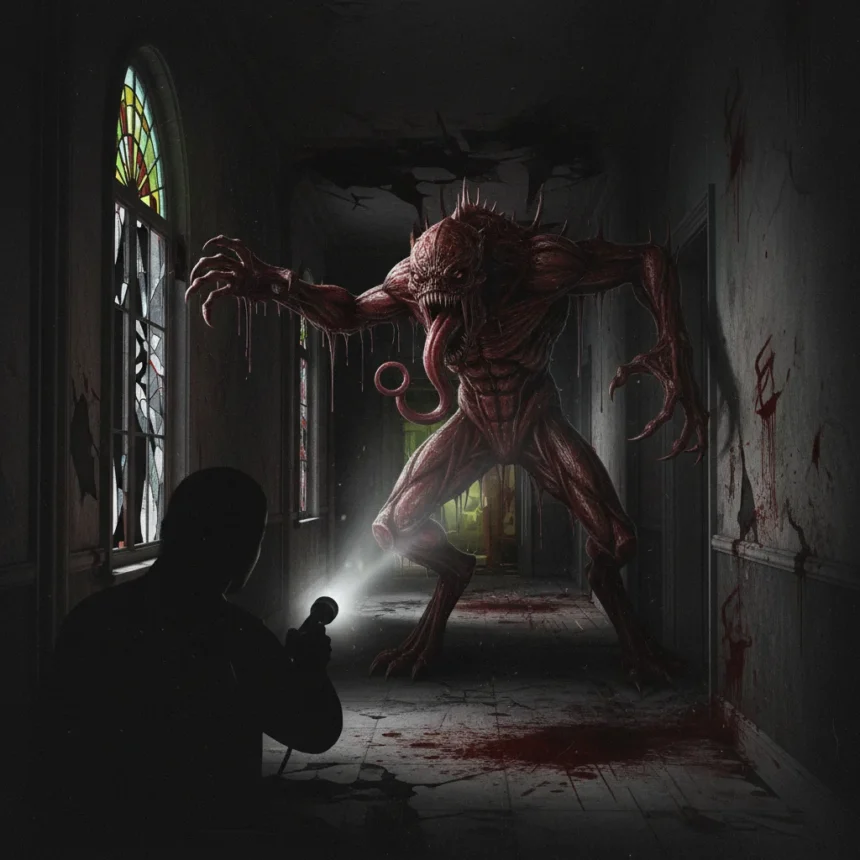
The Resident Evil movie adaptation directed by Zach Cregger has finally arrived with its first trailer, and test screening reactions suggest Sony may have cracked what decades of video game adaptations couldn’t: a horror film that actually works as cinema rather than fan service. Cregger, fresh off his horror hits Barbarian and Weapons, is taking a radical approach to the source material that prioritizes terror over lore fidelity.
Key Takeaways
- Zach Cregger’s Resident Evil adaptation trades game accuracy for pure horror tension and style.
- Test screenings describe the 90-minute film as “lean, mean, and very confident” with relentless pacing.
- The movie draws inspiration from Mad Max: Fury Road and Evil Dead 2 rather than strict game canon.
- Sony scheduled a theatrical release for September 18th, 2026, signaling major confidence in the project.
- Cregger positions this as an original story set within the Resident Evil universe, not a direct adaptation.
Why the Resident Evil Movie Adaptation Ditches Game Lore for Horror
Cregger’s Resident Evil movie adaptation represents a deliberate departure from the franchise’s complex mythology. Rather than wrestling with decades of game canon, interconnected timelines, and character arcs, the film treats the Resident Evil universe as a setting for an original story. Test screening feedback describes the approach as refreshingly confident: the film is “almost entirely built around tension,” with a runtime of just 90 minutes that delivers “all gas and no brakes”. This lean structure suggests Cregger understands that video game fans don’t need a checklist of character cameos and lore callbacks—they need a film that proves horror games can translate to the big screen at all.
Past Resident Evil adaptations have struggled precisely because they tried to be both faithful and entertaining, often failing at both. This new Resident Evil movie adaptation abandons that compromise entirely. Instead of tracking Umbrella’s corporate machinations or following established game protagonists, Cregger has built something described as “tight” and “just goes for it,” suggesting a filmmaker confident enough to trust his own vision over fan demands.
Resident Evil Movie Adaptation Compared to Prior Video Game Films
The horror video game adaptation landscape is littered with failures—films that either alienate fans by straying too far or bore audiences by adhering too closely to source material. The Resident Evil movie adaptation breaks that cycle by embracing neither extreme. Cregger’s approach is inspired by Mad Max: Fury Road and Evil Dead 2, drawing from films that prioritize momentum and visceral impact over narrative complexity. This positioning immediately separates it from earlier Resident Evil adaptations, which often felt trapped between competing loyalties.

The 2002 Resident Evil film, while solid entertainment, never achieved critical acclaim because it was neither a true adaptation nor a standalone horror film. Cregger’s version sidesteps that trap entirely. Early word describes it as “an exceptional horror film, just not a super accurate Resident Evil film”—a positioning that invites audiences who care about cinema first and franchise canon second. That distinction matters. It signals that this Resident Evil movie adaptation is competing with Hereditary and A Quiet Place, not with other game adaptations.
What Test Screenings Reveal About Cregger’s Vision
Test screening reactions carry weight because they come from unfiltered audience responses rather than studio marketing. For the Resident Evil movie adaptation, those reactions were overwhelmingly positive, describing the film as “lean, mean, and very confident” with a relentless pace that never lets tension drop. A 90-minute runtime is short for a major theatrical release, signaling that Cregger has built something that doesn’t overstay its welcome. Modern horror often struggles with pacing—films stretch to two hours and lose momentum in the third act. This Resident Evil movie adaptation’s brevity suggests Cregger respects the audience’s time and the genre’s rhythm.


Sony’s decision to schedule a theatrical release for September 18th, 2026, further underscores confidence in the project. That’s a premium slot for a horror film, not a dumping ground release. Studios typically reserve September theatrical windows for films they believe can compete at the box office. The fact that Sony is investing significant money behind Cregger’s vision indicates this Resident Evil movie adaptation is positioned as a major tentpole release, not a niche fan film.
Why This Resident Evil Movie Adaptation Matters Now
Video game adaptations have become Hollywood’s white whale. Studios spent years chasing success with franchises like Assassin’s Creed, Uncharted, and Sonic, learning that simply translating game mechanics or plots to film doesn’t work. The Resident Evil movie adaptation arrives at a moment when audiences and critics have grown skeptical of the entire enterprise. What makes Cregger’s approach newsworthy is that it doesn’t pretend to be something it isn’t. It’s not trying to be a faithful adaptation—it’s a horror film that borrows the Resident Evil universe as a setting. That honesty is refreshing in an era where every game adaptation claims to honor the source material while fundamentally misunderstanding what made the games compelling in the first place.
Is the Resident Evil movie adaptation faithful to the games?
No. Cregger’s film is an original story set within the Resident Evil universe rather than a direct adaptation of game plots, characters, or locations. The filmmakers have positioned it as “an exceptional horror film, just not a super accurate Resident Evil film,” prioritizing cinematic impact over lore fidelity.
When does the Resident Evil movie adaptation release?
The film is scheduled for theatrical release on September 18th, 2026. That’s a major theatrical window, suggesting Sony has high confidence in the project’s commercial and critical potential.



How long is Cregger’s Resident Evil movie adaptation?
The film runs 90 minutes, short for a major studio release. Test screening feedback suggests this lean runtime contributes to the film’s relentless pacing and sustained tension.
The Resident Evil movie adaptation arrives as proof that video game films don’t need to choose between fan service and cinematic quality—they can simply be great horror movies that happen to exist in a familiar universe. Cregger’s approach is radical precisely because it’s honest, and that honesty may finally be what breaks the curse of video game adaptations.
This article was written with AI assistance and editorially reviewed.
Source: TechRadar