





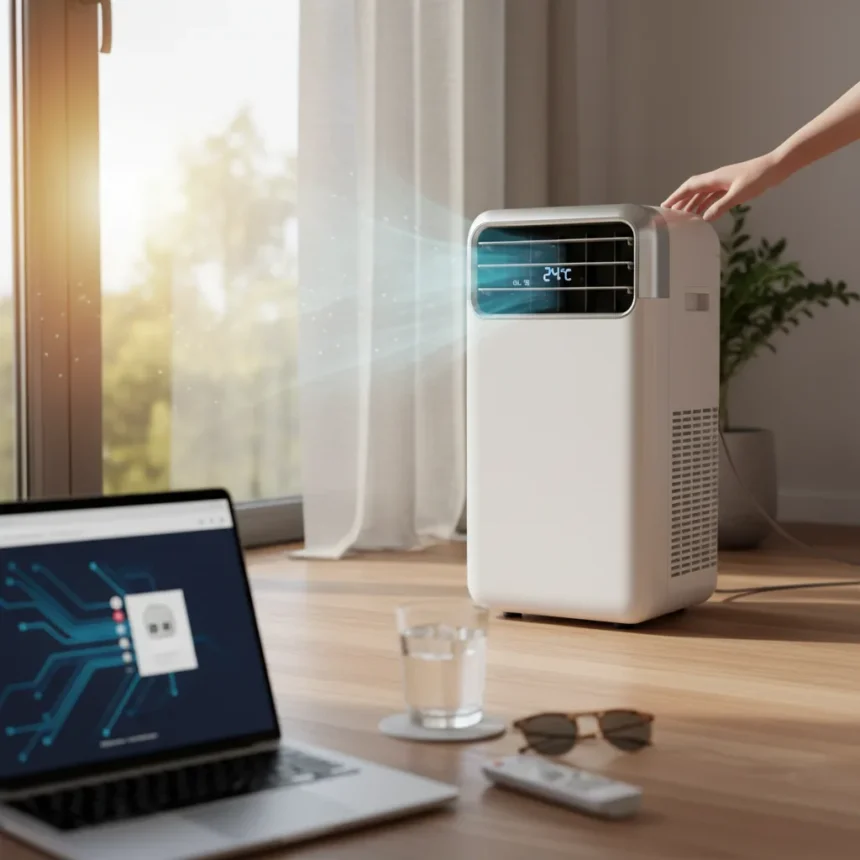
A portable air conditioner remains one of the smartest purchases you can make before the UK heatwave arrives, and they’re far more affordable than most people assume. The window for buying one before temperatures spike is closing fast, but you still have time to get equipped without breaking the bank.
Key Takeaways
- Portable air conditioners are affordable cooling solutions for UK homes ahead of heatwaves.
- The author purchased one three years ago and found the investment worthwhile.
- Buying now gives you time before peak heat arrives rather than scrambling during a crisis.
- Understanding what to look for before purchase can save money and frustration.
- Portable units offer practical cooling without permanent installation or major expense.
Why a portable air conditioner makes sense right now
The timing couldn’t be better. As UK forecasters warn of rising temperatures, waiting until the heatwave is already here means dealing with depleted stock, inflated prices, and rushed decisions. A portable air conditioner sidesteps all three problems. You have breathing room to research, compare options, and order without panic-buying whatever remains on shelves. That’s exactly what the author discovered three years ago—investing early meant accessing a wider selection at better prices, not scrambling when every retailer was sold out.
The real advantage isn’t just about comfort. It’s about control. Once a heatwave hits, you’re at the mercy of delivery schedules and inventory. Buy now, and your unit arrives before you need it, giving you time to set it up, test it, and understand its quirks before the heat actually arrives. That’s the difference between being prepared and being desperate.
What to know before buying a portable air conditioner
Not all portable air conditioners are created equal, and understanding the key differences before you buy prevents buyer’s remorse. The author’s experience over three years of ownership has revealed what actually matters versus what marketing departments want you to focus on. Noise levels, cooling capacity relative to room size, and ease of window installation are the real deciding factors—not flashy features or brand names alone.

Consider your room’s dimensions and layout. A unit rated for a 200-square-foot space won’t adequately cool a 400-square-foot bedroom, no matter how powerful it claims to be. Check the British Thermal Units (BTU) rating and match it to your actual space. Window installation matters too. Some portable units require permanent venting through a window, which sounds complicated but is actually straightforward once you understand the process. Others use dual-hose systems that are easier to install but slightly less efficient. Neither is objectively better—it depends on your setup and tolerance for installation hassle.
Noise is the surprise factor most people overlook. A unit that runs at 50 decibels might seem quiet on paper, but in your bedroom at night, it becomes a persistent hum you can’t ignore. Read reviews from actual owners who describe real-world noise levels, not just the manufacturer’s spec sheet. The author’s unit has proven reliable partly because the noise level was realistic in reviews, making it actually usable during sleep.



Portable air conditioner vs. window units and alternatives
Window air conditioners are cheaper upfront but require permanent installation that many renters can’t do. Central air conditioning is more efficient but costs thousands and isn’t feasible for everyone. A portable air conditioner sits in the middle—more expensive than a window unit, far cheaper than central AC, and flexible enough to move between rooms or take with you if you relocate. That flexibility has real value, especially in the UK where many people rent or live in properties where permanent modifications aren’t allowed.
The portability factor shouldn’t be underestimated. Unlike a window unit bolted into place, a portable air conditioner can follow you from the living room during the day to the bedroom at night. You’re not cooling your entire house; you’re cooling the space you’re actually in. That efficiency matters when energy bills are climbing alongside temperatures.
How much should you expect to spend?
The title of the original article emphasizes that portable air conditioners don’t cost a fortune, and that remains true. You can find functional units at a range of price points, and the most expensive model isn’t necessarily the best for your needs. A mid-range unit that matches your room size and has straightforward controls often outperforms an expensive model with unnecessary features you’ll never use. The author’s three-year-old unit proves that a sensible purchase today will still be working and appreciated years later, making the per-season cost negligible.
Buying now, before peak season demand hits, means you’re shopping when retailers are stocking inventory and running promotions rather than rationing stock at premium prices. That timing advantage is worth acting on sooner rather than later.



Should you buy a portable air conditioner before the UK heatwave?
Yes, if you live in an area prone to heat spikes and don’t have existing cooling. The window for comfortable shopping and delivery is closing. Once the heatwave actually arrives, you’ll be competing with thousands of other people for the same limited stock, facing longer delivery times, and paying more for less selection. The author’s three-year investment speaks to the long-term value—a purchase made today will serve you through multiple summers and pay for itself in comfort and peace of mind.
What size portable air conditioner do I need?
Match the unit’s BTU rating to your room’s square footage. A 200 square feet room typically needs around 5,000-7,000 BTU, while larger spaces demand 10,000-14,000 BTU or higher. Check the manufacturer’s guidance for your specific dimensions rather than guessing. Undersizing leaves you sweating; oversizing wastes energy and money.
Can I use a portable air conditioner in a rental property?
Most portable units require only a window vent hose, which is removable and non-permanent. That makes them ideal for renters who can’t install a window air conditioner. Always check your lease, but the flexibility of a portable unit means you can usually set it up without landlord objections.
How long do portable air conditioners last?
With proper maintenance, a portable air conditioner can last five to ten years or longer. The author’s unit, purchased three years ago, is still performing reliably—a testament to both the durability of decent models and the importance of regular filter cleaning and proper storage during winter months.
The decision is straightforward: a portable air conditioner bought now, before the UK heatwave peaks, gives you comfort, choice, and peace of mind at an affordable price. Wait until the heat arrives, and you’ll be fighting for scraps at inflated prices. The author’s gratitude toward their past self isn’t sentimental—it’s practical wisdom earned through three summers of reliable cooling.
Edited by the All Things Geek team.
Source: TechRadar




