



Sony earbuds summer alternative is gaining traction as a practical seasonal switch from traditional over-ear headphones. During hot months, bulky over-ear designs trap heat around the ears, creating discomfort that in-ear earbuds simply do not inflict. The appeal goes beyond comfort, though: these Sony models claim to deliver audio quality comparable to Bose-branded options without the premium price tag.
Key Takeaways
- Over-ear headphones trap heat in summer; in-ear earbuds provide a cooler listening experience
- Sony earbuds deliver premium sound quality at a lower cost than Bose alternatives
- In-ear design eliminates ear fatigue from prolonged heat exposure
- Seasonal headphone switching is a practical approach to year-round audio comfort
- Bose-like sound quality no longer requires Bose-level spending
Why Over-Ear Headphones Fail in Summer Heat
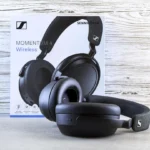
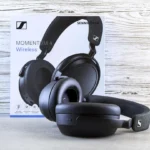
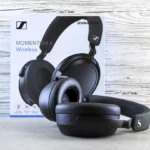
Over-ear headphones are engineered for acoustic isolation and sound quality, but that design comes with a thermal penalty. The padded ear cups and headband create an enclosed environment that traps body heat, turning a listening session into an uncomfortable experience within minutes. For anyone wearing glasses, the problem compounds—sweat accumulation and pressure points make extended wear impractical during warm months.
In-ear earbuds eliminate this problem entirely. Without the bulk and padding, they allow air circulation around the ears and require minimal contact with skin. This design shift makes them the obvious choice for summer listening, whether you are commuting, exercising, or simply trying to stay cool while enjoying music.
Sony Earbuds Deliver Bose-Level Sound Without Bose Pricing
The core argument for switching to Sony earbuds is straightforward: you get premium audio without premium costs. Sony’s in-ear models are engineered to compete directly with higher-priced Bose options in terms of sound signature, clarity, and overall listening experience. Where Bose headphones command top-tier pricing, Sony offers comparable audio performance at a significantly lower entry point, making the choice obvious for budget-conscious audiophiles.
This value proposition is not about cutting corners on sound quality. Sony’s audio engineering is well-established across professional and consumer markets. The earbuds deliver the richness and depth that listeners expect from premium audio brands, but without forcing you to choose between quality and affordability.
The Case for Seasonal Headphone Rotation
Serious audio enthusiasts often maintain multiple headphones for different contexts—commuting, office work, gym sessions, travel. Adding seasonal rotation to that strategy makes practical sense. Your premium over-ear headphones remain your go-to for fall and winter listening, when comfort is less of an issue and their acoustic advantages shine. Summer becomes the season to rely on cooler, lighter in-ear solutions without sacrificing sound quality.



This approach also extends the lifespan of your over-ear investment. By rotating to earbuds during peak heat months, you reduce wear on padding, headbands, and ear cups that degrade faster under sweat and humidity exposure. Your main headphones stay fresher longer, and you gain a versatile summer option that handles the seasonal demand.
Sony Earbuds vs. The Over-Ear Status Quo
The comparison between Sony in-ear earbuds and traditional over-ear headphones is not just about comfort—it is about rethinking what you actually need from audio gear at different times of year. Over-ear models excel at isolation and sustained listening sessions in controlled environments. In-ear earbuds prioritize portability, thermal comfort, and practical all-day wearability when temperatures spike. For summer specifically, the choice is not difficult.
Bose has dominated the premium headphone market for years, but that dominance relies on brand loyalty and the assumption that premium sound requires premium spending. Sony’s challenge to that assumption is compelling, especially during months when comfort matters as much as audio quality. You are not sacrificing sound; you are gaining practicality.
Should I switch to Sony earbuds for summer?
If you wear over-ear headphones regularly and find yourself uncomfortable during hot months, yes. The thermal relief alone justifies the switch, and the audio quality means you are not trading performance for comfort. Keep your over-ears for cooler seasons and let Sony earbuds handle summer rotation.



Will Sony earbuds match my Bose headphones in sound quality?
Sony’s in-ear models are engineered to deliver comparable audio character and clarity to Bose options, often at lower price points. Sound preference is subjective, but Sony’s reputation for audio engineering is solid across both professional and consumer products.
Do in-ear earbuds stay comfortable for all-day wear?
In-ear earbuds are designed for extended wear and typically cause less fatigue than over-ear models, especially in heat. Without the headband pressure and ear cup padding, they feel lighter and less intrusive during long listening sessions, making them ideal for summer days when comfort is paramount.
The shift from over-ear to in-ear during summer is not a compromise—it is a practical recognition that different seasons demand different tools. Sony earbuds prove that you can stay cool without sacrificing the audio quality you expect from premium gear. This summer, ditch the heat trap and embrace a smarter seasonal approach to listening.
Where to Buy
Edited by the All Things Geek team.
Source: Tom's Guide