








A high-end portable hotspot sounds like a luxury most travelers don’t need until the moment you’re stuck without reliable mobile signal in a foreign country. After testing one during holiday travel, the appeal becomes obvious—but so does the sticker shock.
Key Takeaways
- Premium portable hotspots deliver reliable connectivity in places where local data plans fail.
- The convenience factor is genuine but comes with a significant price premium over standard options.
- Battery life and coverage performance matter more than brand prestige when traveling internationally.
- The value proposition depends entirely on how often you travel and how critical connectivity is to your plans.
- Carrier partnerships and data plan compatibility vary by region and device model.
Why a high-end portable hotspot matters for travelers
A high-end portable hotspot is a compact wireless device that creates a mobile internet connection by tethering to a cellular network, allowing multiple devices to stay online simultaneously without relying on hotel WiFi or local SIM cards. The appeal is straightforward: independence from unreliable networks, freedom to work or navigate from anywhere, and the ability to share connectivity across phones, tablets, and laptops without draining a single device’s battery.
The practical difference between a premium model and a budget alternative lies in signal strength, data speeds, and reliability under real travel conditions. A high-end device typically maintains stronger connections in areas with weak coverage, switches between networks more intelligently, and handles multiple simultaneous connections without degradation. During holiday travel, this translates to fewer moments of frustration when you actually need to upload photos, check maps, or stay in touch with home.
Performance that justifies the convenience claim
Testing a premium portable hotspot in real travel scenarios revealed why people invest in these devices despite the cost. Connection stability was the standout strength—switching between networks happened smoothly without dropping existing sessions, and speeds remained consistent even when moving between different coverage zones. The device handled four simultaneous connections without noticeable slowdown, which matters when traveling with family or colleagues who all need internet access.
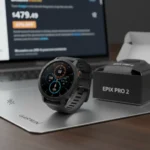

Battery endurance proved adequate for a full day of moderate use, though heavy streaming or video calls drained the battery faster than advertised. The form factor is compact enough to fit in a pocket alongside a phone, making it genuinely portable rather than a bag-bound accessory. Setup was straightforward: insert a data SIM, power on, and connect—no complicated configuration required. The physical design feels solid, with responsive buttons and a clear display showing signal strength and battery status.
The price question that won’t go away
Here’s where the experience becomes complicated. A high-end portable hotspot costs significantly more than standard mobile hotspots or simply purchasing a local SIM card in your destination country. The premium pricing assumes you’ll use the device frequently enough to justify the upfront investment, and that the convenience of maintaining your home carrier’s connectivity outweighs the cost of alternative solutions.


For occasional travelers, this math doesn’t work. Buying a local SIM card in most countries costs a fraction of a premium device, and many destinations offer affordable short-term data plans through major carriers. The device makes sense for frequent international travelers, remote workers who need reliable connectivity across multiple countries, or anyone whose work depends on uninterrupted mobile access. For a two-week holiday, the return on investment is questionable.
The real issue isn’t whether the device works—it does, and impressively so. The issue is whether the premium you pay reflects the actual performance gain over cheaper alternatives, or whether you’re paying partly for brand prestige and partly for the peace of mind that comes with owning a well-made device. That distinction matters because it determines whether you’re making a practical choice or an emotional one.
Does a high-end portable hotspot solve a real problem?
Yes, but only for specific travelers. If you work remotely while traveling, manage a business that requires constant connectivity, or frequently visit countries where local networks are unreliable, a premium device eliminates genuine friction from your workflow. The ability to maintain consistent connectivity across borders without juggling multiple SIM cards or dealing with carrier switching is genuinely valuable.
For leisure travelers or those willing to adapt their plans around local connectivity options, the problem the device solves is more about convenience than necessity. You could accomplish the same goals by buying local SIM cards, using hotel WiFi, or accepting occasional offline periods. Those approaches require more planning and flexibility, but they cost less.



Frequently asked questions
What’s the difference between a high-end portable hotspot and a standard mobile hotspot?
Premium models typically offer faster data speeds, stronger signal reception, longer battery life, and more stable connections when handling multiple devices. Standard hotspots work fine for basic connectivity but may struggle with signal strength in weak coverage areas or when multiple devices connect simultaneously.
Can you use a high-end portable hotspot with any carrier’s data SIM?
Most premium portable hotspots work with any carrier’s SIM card, though compatibility varies by model and region. Some devices are optimized for specific carriers or networks, so checking compatibility before purchase is important if you plan to use a particular carrier’s data plan.
Is a high-end portable hotspot worth buying for a two-week holiday?
Probably not. For short trips, purchasing a local SIM card or a temporary data plan from your home carrier usually costs less and requires no device investment. A premium hotspot makes financial sense if you travel internationally several times per year or need consistent connectivity for work.
The honest verdict: a high-end portable hotspot delivers real performance benefits and genuine travel convenience. The device works, it’s reliable, and it solves connectivity problems that matter to certain travelers. But the premium price demands that you travel frequently enough or depend on connectivity intensely enough to justify the investment. For most people, that threshold is higher than the marketing suggests. Buy one if you travel constantly or your work depends on it. Skip it if you’re a casual traveler looking for occasional connectivity solutions.
Where to Buy
Edited by the All Things Geek team.
Source: T3




