





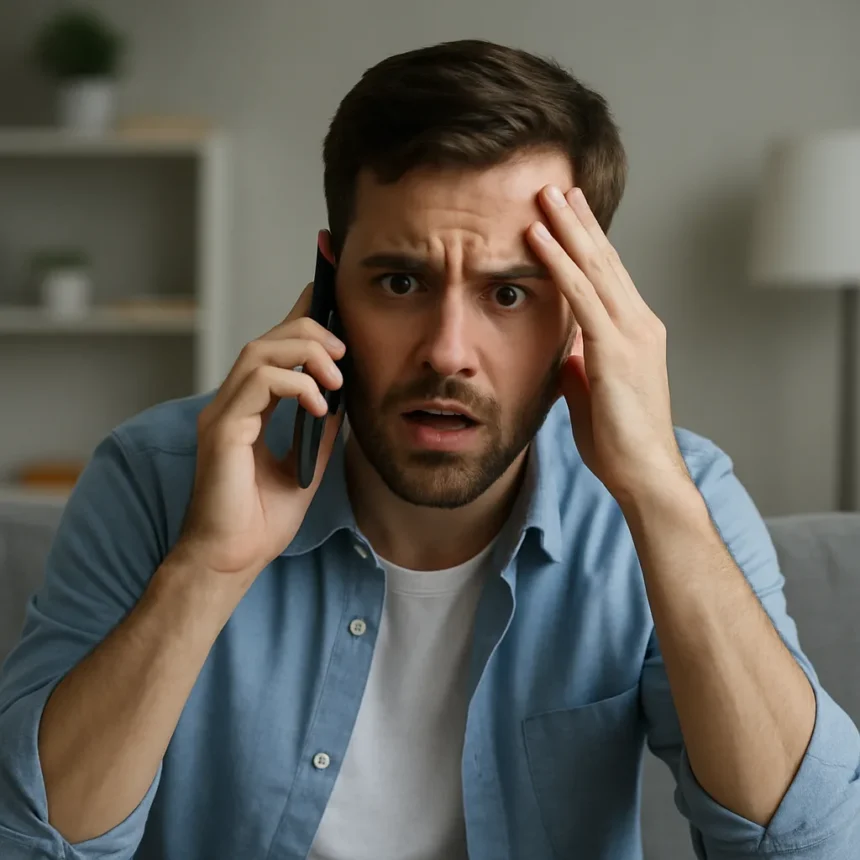
The deepfake voice call has moved from a theoretical threat to an everyday reality for tens of millions of people. According to the State of the Call 2026 report by Hiya, which surveyed 12,000 people across the US, UK, Canada, France, Germany, and Spain, one in four Americans received a deepfake voice call in the past 12 months. That is not a niche problem. That is a public crisis — and the systems designed to stop it are visibly failing.
How Bad Has the Deepfake Voice Call Problem Actually Become?
The headline figure is striking enough: 25% of Americans encountered a deepfake voice call in the past year. But the surrounding data tells an even grimmer story. Another 24% of Americans say they are unsure whether they could distinguish a real call from a synthetic one. Add those two groups together and nearly half of the US population has either been targeted or lacks the confidence to spot an attack. That is not a vulnerability at the margins — that is a systemic exposure.
The volume problem compounds the threat. Americans are receiving an average of 9.9 unwanted calls per week, a figure that has been growing at a 16% compounded annual rate since 2023. That works out to more than 500 unwanted calls per year for the average American. Globally, the average across the six surveyed markets sits at 7.4 unwanted calls per week, also growing at 16% annually — meaning this is not a uniquely American problem, even if US consumers are absorbing a disproportionate share. France records the highest call volumes among the surveyed countries, while British consumers suffer the steepest financial losses per scam victim.
Who Is Losing the Most — and Why Seniors Are the Primary Target
The human cost of the deepfake voice call epidemic is not evenly distributed. Seniors aged 55 and over lose an average of $1,298 to phone scams — triple the average for other age groups. The reason is not simply that older people are less tech-savvy. It is that voice is the medium they trust most, and deepfake technology has now weaponised that trust directly. One respondent in the Hiya report described their 90-year-old mother receiving a scam call using a synthetic voice of her grandson asking for money. The psychological impact was so severe that she refused to answer the phone unless someone was physically present with her for many months afterwards. That is not a data point. That is the human cost of this technology deployed without accountability.



The emotional manipulation at work here is deliberate and sophisticated. Cloning a familiar voice — a grandchild, a spouse, a boss — bypasses the rational filters most people apply to cold calls from unknown numbers. It is a form of social engineering that scales cheaply and targets the most emotionally vulnerable moments in a person’s day.
Why Carriers Are Losing the Deepfake Voice Call Arms Race
Perhaps the most damning finding in the State of the Call 2026 report is the perception gap between scammers and the mobile network operators supposedly defending against them. Consumers say scammers are winning the fight against carriers by a ratio of 2-to-1. That is not a close contest. It is a rout — at least in the eyes of the people absorbing the attacks daily.



The frustration is translating directly into churn risk. Some 38% of consumers say they are ready to switch providers because of inadequate defenses against AI-powered fraud. For telecoms, that is an existential commercial pressure, not just a reputational one. Meanwhile, 48% of Americans say phone spam is getting worse, outnumbering those who say it is improving by three to one. The gap between carrier reassurances and lived consumer experience has rarely been this wide.
The comparison to other fraud vectors is instructive. Email spam, for all its persistence, is largely invisible — filtered before it reaches the inbox. Voice fraud lands directly in your ear, in real time, often impersonating someone you love. The psychological attack surface is fundamentally different, and the defenses required are correspondingly more complex. Network-level call authentication and voice biometric verification are the tools being discussed, but deployment at scale remains slow relative to the pace of the threat.
Is there a way to protect yourself from deepfake voice calls?
The most effective current defence is establishing a personal verification word or phrase with close family members — something a cloned voice would not know to say. The Hiya report does not prescribe specific technical solutions, but the broader industry consensus points toward voice authentication tools and network-level STIR/SHAKEN call verification protocols as medium-term fixes. Neither is a complete answer today. Treat any unexpected call asking for money or personal information with maximum scepticism, regardless of how familiar the voice sounds.
Why are seniors particularly vulnerable to voice scams?
Seniors aged 55 and over lose an average of $1,298 to phone scams — three times the average for other age groups, according to the State of the Call 2026 report. Voice is the communication channel that older generations trust most, and synthetic voice cloning exploits that trust directly by impersonating family members. The emotional manipulation is difficult to defend against precisely because it feels personal rather than mechanical.



Which countries are most affected by phone scams and deepfake calls?
The US leads on call volume at 9.9 unwanted calls per week, well above the six-country average of 7.4. France records the highest raw call volumes among the surveyed markets, while UK consumers suffer the greatest financial losses per victim. The 16% annual growth rate in unwanted call volume is consistent across all six markets, suggesting this is a global infrastructure problem rather than a country-specific one.
The deepfake voice call is not coming — it is already here, already scaling, and already causing measurable psychological and financial harm to real people. Until carriers close the 2-to-1 perception gap against scammers, and until voice authentication becomes as routine as spam filters, the burden falls on individuals to treat every unexpected call with the same suspicion they would give an unsolicited email asking for their bank details. That should not be the answer in 2026. But right now, it is the only one that reliably works.
Edited by the All Things Geek team.
Source: TechRadar




