





Mini-LED TVs vs OLED represents the central choice facing anyone upgrading to a big-screen TV for major sporting events like the World Cup. While OLED remains the superior picture-quality technology overall, mini-LED TVs have closed the gap significantly and offer practical advantages that make them the better recommendation for sports enthusiasts on a mid-range budget.
Key Takeaways
- Mini-LED TVs are typically brighter than OLED TVs, making them ideal for daytime sports viewing and bright rooms.
- Mini-LED uses thousands of smaller LEDs in the backlight for more uniform light distribution and higher peak brightness.
- Mini-LED TVs are less prone to burn-in than OLED because they do not use organic pixel materials.
- OLED still delivers superior black levels and overall picture quality, but at a higher price point.
- The World Cup is the perfect reason to upgrade to a larger, brighter display for enhanced sports enjoyment.
Why Brightness Matters for Sports
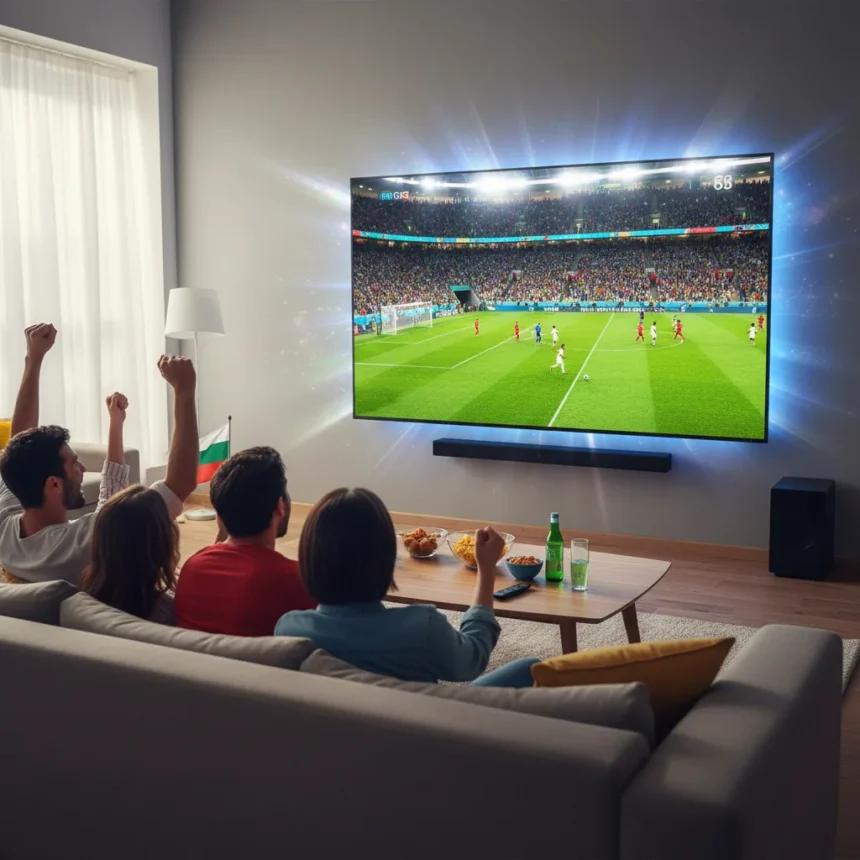
The fundamental reason mini-LED TVs outperform OLED for World Cup viewing is brightness. Mini-LED screens produce significantly higher peak brightness levels than OLED displays, which directly translates to better visibility when watching sports in daylight or well-lit rooms. This brightness advantage is not incidental—it is the core technical difference that makes mini-LED the practical choice for live sports, where quick action and clear visibility of the ball or puck matter more than perfect black-level reproduction.
OLED TVs excel in darkened home theaters where their pixel-level light control and infinite contrast ratios shine. But the moment you introduce ambient light into the equation, OLED’s advantage collapses. A mini-LED TV’s brighter panel cuts through glare and maintains legibility even when sunlight streams through windows or overhead lights are on. For the World Cup—a daytime event in many regions—this is not a theoretical benefit. It is the difference between squinting at a dim image and seeing the match clearly.
Mini-LED Technology Explained
Mini-LED TVs use thousands of much smaller LEDs arranged in a backlight array behind the LCD panel, compared to the handful of zones in standard LED-lit LCD TVs. This dense array enables what the industry calls improved local dimming, which means the TV can brighten and darken different parts of the screen independently with far greater precision. The result is deeper blacks than traditional LED TVs can produce, while maintaining the brightness advantage over OLED.



The engineering trade-off is real: mini-LED cannot match OLED’s perfect blacks because the backlight is never truly off. Even in the darkest scenes, a small amount of light bleeds through. However, the improved local dimming in mini-LED TVs reduces backlight blooming—the halo effect that makes dark objects appear to glow—to a degree that most viewers find acceptable. For sports, where you are rarely watching pure black backgrounds for extended periods, this limitation is minor.
Mini-LED vs OLED: The Burn-In Question
One significant practical advantage of mini-LED over OLED is burn-in resistance. OLED TVs use organic materials that degrade over time, especially if the same image—like a static sports broadcast logo or scoreboard—appears on screen for hours. Mini-LED TVs, which rely on a conventional LED backlight and LCD panel, are far less prone to burn-in because they lack the organic pixel layer that degrades. For households planning to watch dozens of hours of World Cup matches, where static graphics remain visible for the entire broadcast, this durability difference is worth considering.


OLED manufacturers have improved their burn-in protection through pixel-shifting algorithms and screen savers, but the risk remains real. Mini-LED eliminates this concern almost entirely, making it the safer choice for heavy sports viewing over months or years.
The Picture Quality Gap Is Closing
Five years ago, OLED’s superiority in picture quality was undisputed. Today, mini-LED has narrowed the gap substantially. The best mini-LED TVs now deliver black levels that approach OLED quality, thanks to their advanced local dimming zones and refined backlighting algorithms. Where OLED still wins is in absolute black perfection, viewing angles, and overall image refinement—qualities that matter most in dark-room movie viewing, not sports.
For the World Cup specifically, this shift matters. You are not buying a TV primarily to watch dark, artfully lit films. You are buying it to watch a brightly lit stadium with fast-moving action. In that context, mini-LED’s superior brightness and burn-in resistance outweigh OLED’s marginal picture-quality advantage. The technology has matured enough that recommending OLED for sports viewing is now more about prestige than practical performance.
Value and Budget Considerations
Mini-LED TVs typically cost significantly less than comparable OLED models, making them the smarter choice for buyers on a mid-range budget. A 75-inch or 85-inch mini-LED TV offers a genuinely immersive World Cup experience without the premium pricing of OLED. For many households, that extra brightness and larger screen size—enabled by the price difference—will deliver more enjoyment than a smaller OLED TV would.



OLED remains the superior technology if money is no object and you want the best overall picture quality for all content types. But if you are specifically upgrading for World Cup viewing and want the best value, mini-LED is the clear winner. The brightness advantage alone justifies the recommendation, and the lower price means you can afford a larger screen, which amplifies the benefit for sports.
Should I buy a mini-LED TV for the World Cup?
Yes, if you watch sports regularly, have a bright viewing room, or want a larger screen without breaking the bank. Mini-LED TVs deliver the brightness, size, and durability that sports enthusiasts need. OLED is only the better choice if you prioritize picture quality above all else and rarely watch sports or static-image content.
Do mini-LED TVs have burn-in risk like OLED?
No. Mini-LED TVs are far less prone to burn-in because they use a conventional LED backlight and LCD panel rather than organic pixel materials. For heavy sports viewing, where static logos and scoreboards appear for hours, mini-LED is significantly safer.
How much brighter are mini-LED TVs than OLED?
Mini-LED TVs typically achieve higher peak brightness levels than OLED displays, making them more visible in bright rooms and daylight conditions. The exact difference varies by model, but the advantage is substantial enough to matter for daytime sports viewing.
The World Cup upgrade decision ultimately comes down to your viewing habits and budget. If brightness, durability, and value matter more than absolute picture perfection, mini-LED TVs are the smarter recommendation. OLED remains the best technology overall, but mini-LED has evolved into a genuinely competitive alternative that handles sports viewing better than its more expensive rival.
Where to Buy
Edited by the All Things Geek team.
Source: TechRadar