






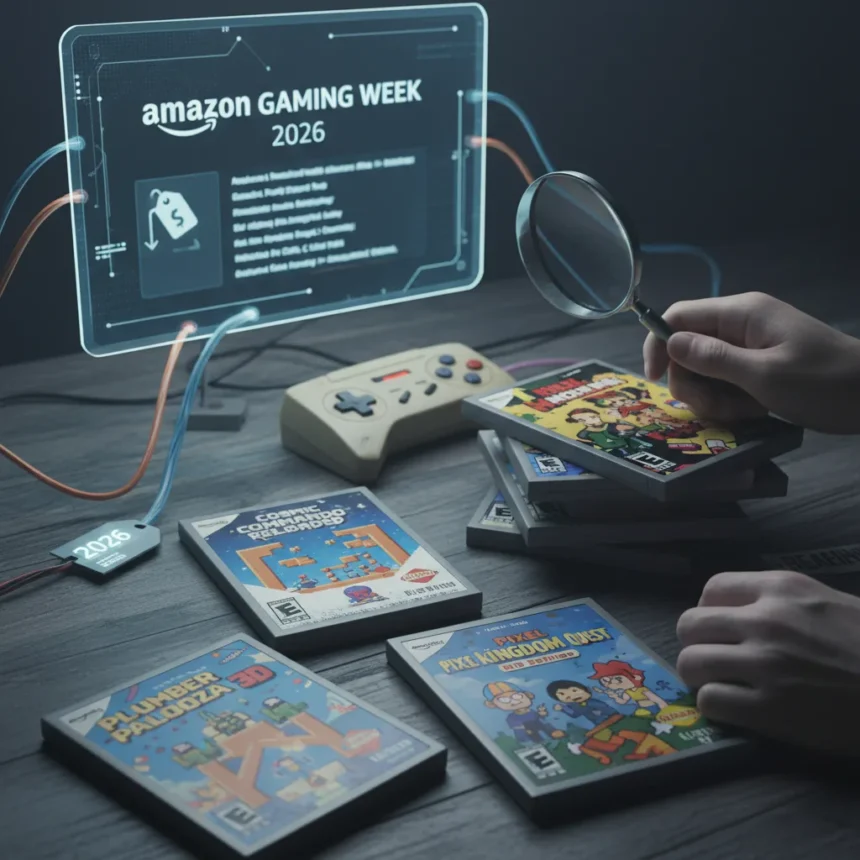
Amazon Gaming Week 2026 retro remakes sale is being marketed as a goldmine for nostalgic gamers hunting bargains on classic revivals. The promotional push highlights impulse-buy discounts on titles like Dragon Quest, Resident Evil, and Mario Galaxy remakes, but the underlying question remains: are these deals genuinely compelling, or are they manufactured urgency designed to move inventory?
Key Takeaways
- Amazon Gaming Week 2026 features discounted retro game remakes across multiple franchises.
- Titles include Dragon Quest, Resident Evil, and Mario Galaxy reboots at reduced prices.
- The sale emphasizes impulse-buy pricing to drive quick purchasing decisions.
- Retro remakes compete with newer releases and subscription gaming services.
- Deal specifics remain unverified across major gaming retailers and price comparison sources.
What Makes Amazon Gaming Week 2026 Retro Remakes Different
The Amazon Gaming Week 2026 retro remakes sale targets a specific consumer psychology: the collision of nostalgia and urgency. By bundling classic franchises—Dragon Quest, Resident Evil, Mario Galaxy—under a limited-time promotional umbrella, Amazon leverages the emotional pull of familiar IP alongside time-pressure tactics. This approach differs from evergreen discounts on new releases, which rely on raw performance metrics and feature lists to justify purchases. Retro remakes instead trade on memory, brand loyalty, and the desire to revisit formative gaming experiences at a fraction of their launch prices.
The sale’s framing as a goldmine suggests exceptional value, yet the actual pricing structure and specific discount percentages remain opaque in publicly available sources. Without verified price points, comparing these deals to competing sales—such as Amazon’s Big Spring Sale 2026, which offered gaming peripherals and accessories at documented discounts—becomes difficult. A truly compelling retro remake deal would need to undercut both the original retail price and competitor offerings, neither of which can be confirmed from available information.
Why Retro Remakes Matter in Today’s Gaming Market
Retro game remakes occupy an odd space in modern gaming. They arrive after the original titles have established their cultural footprint, yet they must justify their existence through technical improvements, quality-of-life enhancements, or expanded content. Dragon Quest and Resident Evil remakes, for instance, attempt to modernize classic gameplay for audiences raised on contemporary mechanics. Mario Galaxy reboots promise updated visuals and potentially refined controls. However, these improvements do not automatically translate to must-buy status, especially when subscription services like Xbox Game Pass and PlayStation Plus offer rotating libraries of both classic and contemporary titles.


The impulse-buy discount model assumes that lower prices overcome consumer hesitation about whether a remake justifies a purchase at all. This strategy works when the discount is steep enough and the product is sufficiently differentiated. Without verified pricing data, assessing whether Amazon Gaming Week 2026 retro remakes meet that threshold is impossible. Competing against both the back catalog of original games—often available at even lower prices—and new releases with modern features, remakes need aggressive pricing to move units during a sale event.
How Amazon Gaming Week 2026 Compares to Other Retail Gaming Sales
Amazon’s Gaming Week 2026 retro remakes sale exists in a crowded landscape of gaming promotions. The company’s Big Spring Sale 2026 offered documented discounts on gaming hardware, such as controllers and peripherals, with transparent pricing and clear deal mechanics. That sale’s strength lay in specificity: consumers knew exactly what they were buying and at what price. By contrast, the Gaming Week 2026 retro remakes campaign relies on categorical appeal—the promise of retro nostalgia at discount prices—without the granular detail that builds consumer confidence.

Other retailers and digital storefronts (Steam, Epic Games Store, Nintendo eShop) run continuous or seasonal promotions on back-catalog titles, including remakes. These platforms often feature user reviews, detailed feature comparisons, and price-match guarantees. Amazon’s promotional approach, emphasizing the sale event itself rather than specific product advantages, competes on convenience and brand familiarity rather than on transparent value. For a consumer deciding between a retro remake from Amazon and the same title from a competitor, the deal’s actual mechanics—not its marketing framing—should drive the decision.
Should You Buy During Amazon Gaming Week 2026 Retro Remakes Sale
The decision to purchase a retro remake during Amazon Gaming Week 2026 depends on three factors: your genuine interest in the specific title, verified pricing relative to alternatives, and whether the remake’s improvements justify the cost over the original game. Nostalgia is a powerful motivator, but it is also the primary tool retailers use to engineer impulse purchases. If you are considering a Dragon Quest, Resident Evil, or Mario Galaxy remake, research the specific improvements each version offers. Does the remake add meaningful content, or does it primarily update graphics and controls? Are the same features available in the original at a lower price?
Without access to verified prices for Amazon Gaming Week 2026 retro remakes, comparing this sale to alternatives is challenging. Before checkout, cross-reference the listed price against the same game on other platforms and retailers. Check whether your preferred gaming subscription service includes the title. If the Amazon price is not substantially lower than alternatives, the sale’s urgency is manufactured rather than genuine. True deals reward research and comparison; artificial ones rely on time pressure to override rational decision-making.
Are retro game remakes worth buying in 2026
Retro game remakes are worth buying if the improvements justify the cost and you have a genuine interest in the franchise. A remake that modernizes controls, expands the story, or significantly enhances visuals adds real value. However, if the remake is primarily a cosmetic update to a game you can play in its original form at a lower price, the purchase is driven by brand appeal rather than substantive innovation. The best retro remakes—those that genuinely enhance the original experience—sell well at regular prices. Sales are useful for consumers on a budget, but they should not be the primary reason to buy.


How do Amazon Gaming Week 2026 retro remakes compare to subscription services
Subscription gaming services offer broader value than individual purchases, even at sale prices. If you are a PlayStation Plus or Xbox Game Pass subscriber, many classic games and remakes are already available in your library at no additional cost. Before buying a retro remake during Amazon Gaming Week 2026, check whether it is available through your active subscriptions. For consumers outside subscription ecosystems, a deep discount on a remake may offer better value than a monthly subscription fee, but only if you plan to play multiple titles from the sale. A single impulse purchase, even at a discount, is rarely a better investment than a subscription month with access to dozens of games.
What makes a retro game remake worth the cost
A retro game remake justifies its cost when it delivers meaningful improvements over the original: significantly enhanced visuals, modernized gameplay mechanics, expanded story content, or quality-of-life features that genuinely improve the experience. Remakes that simply upscale graphics without addressing dated design choices offer minimal value. The best remakes acknowledge what made the original special while improving what felt clunky or limited. Dragon Quest, Resident Evil, and Mario Galaxy remakes should be evaluated individually on these criteria. If a remake adds nothing you could not experience in the original, a sale price does not change that fundamental reality.
Amazon Gaming Week 2026 retro remakes sale highlights a broader trend in gaming retail: the packaging of nostalgia as a promotional strategy. While discounts on quality remakes can offer genuine value, the sale’s appeal depends entirely on verified pricing and your personal assessment of whether each game justifies its cost. Nostalgia is not a feature; it is a feeling. Let your actual interest in the game—not the emotional pull of a sale event—drive your purchase decision.
Where to Buy
Dragon Quest III HD-2D Remake with 50% off, now $59.99 $29.99 | Resident Evil 4 Remake on PS4, down to near impulse-buy territory at $19.99 | 47% OFFCapcomResident Evil 2 – Playstation 5$15.99$29.99shop now | 47% OFFCapcomResident Evil 3 – Playstation 5$15.99$29.99shop now | 27% OFFCapcomResident Evil 4 – Ps4$19.99$27.30shop now
This article was written with AI assistance and editorially reviewed.
Source: Creativebloq