





The Asus ROG Xbox Ally is the cheapest Windows-based PC gaming handheld you can buy right now, and that might be its only genuine selling point. Priced at $600 and powered by an AMD Ryzen Z2 A processor, this device ships with Windows 11 and Xbox Full Screen Experience—a controller-optimized interface designed to hide Windows’ desktop clutter and reduce background overhead. But price alone does not guarantee value, and the Asus ROG Xbox Ally struggles to justify its existence when better-performing alternatives cost less or offer more for similar money.
Key Takeaways
- Asus ROG Xbox Ally costs $600, the cheapest Windows handheld on the market.
- Ryzen Z2 A processor delivers mediocre performance compared to Z1 Extreme and Z2 Extreme chips.
- Xbox Full Screen Experience reduces Windows overhead and provides console-like UI for controller navigation.
- 2 hour 28 minute battery life and 7-inch 120Hz FHD display match prior ROG Ally models.
- Steam Deck OLED outperforms it in value and real-world gaming despite lower native resolution.
Asus ROG Xbox Ally Processor and Performance
The Ryzen Z2 A is a compromise chip that holds back the entire device. Geekbench 6 scores tell the story: single-core 1169, multicore 4381. These numbers trail the Z1 Extreme found in the original ROG Ally and lag far behind the Z2 Extreme in the $999.99 ROG Xbox Ally X. In real gaming, that translates to marginal advantages that barely justify the handheld’s existence. Shadow of the Tomb Raider runs at 47 FPS on the Asus ROG Xbox Ally versus 43 FPS on the Steam Deck OLED at native resolution—a 9 percent improvement that costs $100 more and ships with a vastly inferior operating system.
Power consumption mirrors prior models: Silent mode draws roughly 13W, Performance mode 17W, and Turbo mode can spike to 35W when plugged in. That Turbo boost helps in demanding titles, but it requires an external power source and drains the internal 60 Wh battery at an alarming rate. The 2 hour 28 minute battery life during gaming sessions is acceptable for a Windows handheld but underwhelming compared to the ROG Xbox Ally X’s 3 hour 4 minute endurance. For a device marketed as portable, that gap matters.
Windows 11 with Xbox Full Screen Experience
The headline feature here is Xbox Full Screen Experience, a controller-optimized UI overlay that hides Windows components, reduces background telemetry, and delivers a console-like experience without touching the underlying operating system. It is a genuine quality-of-life improvement over raw Windows desktop, and it represents a meaningful collaboration between Microsoft and Asus to address the handheld PC gaming pain point: Windows is not built for controllers, and it shows.

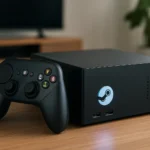
But here is the catch: even with FSE running, Windows remains Windows. The device ships with the full OS overhead that makes PC gaming handhelds feel sluggish compared to SteamOS. Linux testing reveals the extent of this handicap. Running the same device on Linux yields up to 32 percent higher FPS with more stable framerates and quicker sleep/resume times, according to testing by YouTuber Cyber Dopamine. That is not a marginal difference—that is a fundamental architectural advantage baked into Valve’s ecosystem. Microsoft and Asus have papered over the problem, but they have not solved it.
Design and Display: Ergonomics That Actually Work
The Asus ROG Xbox Ally borrows Xbox controller-inspired grips from its predecessors, and they do their job well. The textured surfaces, well-placed buttons, and responsive joysticks eliminate hand fatigue during extended play sessions. Haptic feedback is detailed enough to feel intentional rather than gimmicky. The 7-inch FHD display runs at 120Hz on an IPS panel, delivering crisp visuals and smooth scrolling through menus—a genuine strength inherited from the ROG Ally lineage.
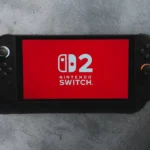

Dimensions and weight sit at approximately 11.5 x 4.8 x 2 inches and 1.58 pounds, making it portable without feeling flimsy. The device is comfortable to hold, and the ergonomics do not betray you during a six-hour gaming marathon. That is more than some competitors can claim, but ergonomics alone do not win handheld wars.
Asus ROG Xbox Ally vs Steam Deck OLED and ROG Xbox Ally X
The Steam Deck OLED is the obvious comparison, and it wins on value. Valve’s handheld costs $549 for the 512GB model and delivers superior polish, a mature software ecosystem, and a library of verified games that just work. Yes, the Asus ROG Xbox Ally runs Forza Horizon 5 at 54 FPS at 720p compared to the Deck’s 41 FPS at native resolution, but that performance delta shrinks in less demanding titles and vanishes entirely when you factor in driver stability, game support, and the sheer friction of running Windows on a handheld.
If you want the best Windows handheld, the ROG Xbox Ally X is the one to buy—but at $999.99, it costs nearly $400 more. The X features a Ryzen AI Z2 Extreme processor, 24GB LPDDR5x-7500 RAM, an 80 Wh battery, and improved grips. It delivers Shadow of the Tomb Raider at 64 FPS at 720p when plugged in, a substantial jump over the base model. That premium buys you genuine performance gains and longer battery life, but it also pushes you into a price tier where the Steam Deck OLED or even a budget gaming laptop becomes a more compelling option.
Who Should Buy the Asus ROG Xbox Ally?
The Asus ROG Xbox Ally targets a narrow audience: PC gamers who demand Windows compatibility, cannot afford the ROG Xbox Ally X, and prioritize price over performance. If you have a Game Pass subscription and want to play it on a handheld, this device delivers that functionality at the lowest possible cost. If you already own a large Steam library and refuse to use SteamOS, the Asus ROG Xbox Ally is technically viable.

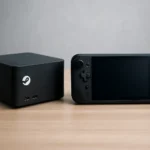
But for most people? The Steam Deck OLED offers better value, more mature software, and a larger community. For those willing to spend more, the ROG Xbox Ally X provides meaningfully better performance. The base Asus ROG Xbox Ally exists in an awkward middle ground—cheap enough to tempt budget-conscious buyers, but not good enough to justify the compromise over proven alternatives.
Does the Asus ROG Xbox Ally have a touchscreen?
The research brief does not specify whether the Asus ROG Xbox Ally includes a touchscreen. The 7-inch FHD display is mentioned, but touchscreen capability is not documented in available sources.
How long does the Asus ROG Xbox Ally battery last?
The Asus ROG Xbox Ally achieves 2 hours 28 minutes of gaming battery life on a single charge. That is acceptable for casual play but falls short of the ROG Xbox Ally X’s 3 hour 4 minute endurance and underperforms compared to the Steam Deck OLED’s longer real-world runtime.
Is the Asus ROG Xbox Ally better than the Steam Deck?
The Asus ROG Xbox Ally edges out the Steam Deck in raw FPS in some titles, but the Steam Deck OLED offers superior overall value, better software stability, and a larger verified game library. The Ally makes sense only if Windows compatibility is a hard requirement for your gaming library.
The Asus ROG Xbox Ally shows up, undercuts the competition on price, and then immediately reveals why price alone does not win handheld gaming wars. It is a device that exists because it can, not because it should. For $600, you are buying the cheapest Windows handheld available—and you are getting exactly what you pay for.
Where to Buy
$499.99 at Amazon | $659.98 at Amazon | GuliKit, sell affordable TMR replacements | $869.99
Edited by the All Things Geek team.
Source: Tom's Hardware




