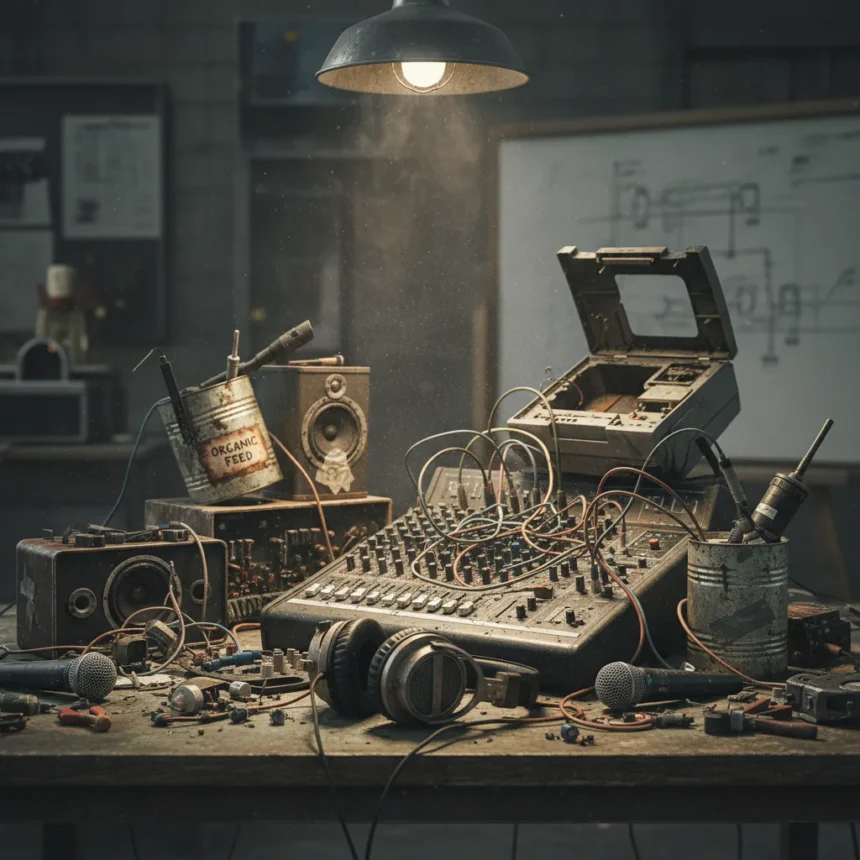
Battlefield 6 audio design represents a deliberate rejection of industry convention. While most modern games chase clean, polished sound, the Battlefield 6 audio team has committed to a deliberately raw, clipped, organic, and messy aesthetic that mirrors the chaos of actual combat. But this artistic ambition comes with a technical cost: the team continues fighting persistent bugs and engine limitations that undermine the very immersion they are trying to create.
Key Takeaways
- Battlefield 6 audio design intentionally pursues dirty, gritty sound instead of industry-standard clean polish.
- The audio team is larger than any previous Battlefield title, spanning multiple studios and time zones.
- Persistent issue: sounds sometimes fail to play entirely due to memory constraints and mix complexity.
- Engine unload/load steps can abruptly cut or silence sounds, breaking the seamless “always alive” audio experience.
- Maintaining coherent audio direction across distributed teams requires extensive mentoring and onboarding.
Why Battlefield 6 Chose Gritty Over Glossy
The Battlefield 6 audio team made a stylistic choice that runs counter to industry trends. Most contemporary games prioritize clean, refined sound design—crisp explosions, clear dialogue, polished ambient layers. Battlefield 6 deliberately chose the opposite: a loud, dense, and chaotic soundscape that feels intentionally rough around the edges. This is not laziness or technical limitation; it is a deliberate artistic direction meant to convey the disorienting, overwhelming nature of modern warfare.
The challenge lies in execution. Creating coherent direction across a distributed audio team requires constant communication and mentorship. According to the audio team: “Crafting and maintaining a coherent audio direction across all teams, studios, and time zones was a huge challenge. The raw, gritty, and authentic-sounding style that we’ve refined for Battlefield 6 is challenging, and it is important for our team members and partners to understand what we are trying to accomplish with this style and tone and why. This requires extensive mentoring and onboarding of new team members by our long-term senior team members”. The Battlefield 6 audio design is not something junior team members can intuitively grasp—it requires senior guidance to avoid drifting toward conventional polish.
The Persistent Problem: Sounds That Vanish
Despite these efforts, Battlefield 6 audio design suffers from a fundamental technical problem: sounds sometimes do not play at all. This is not a minor glitch. In a game where audio clarity can mean the difference between hearing an enemy footstep and missing a critical cue, missing sounds break immersion entirely. The root cause is brutal: hundreds of sounds compete for playback simultaneously, and the engine’s memory management and mix logic constantly sort which assets can run.


One audio team member described the ongoing struggle: “I would say for the core game, the biggest issue that has plagued us throughout production — and still now with new cases in the live game — are certain sounds sometimes not playing. There are hundreds of sounds trying to play all the time, and there is constant sorting going on in the mix: what assets are allowed in memory and what logic is allowed to run. In all that complexity, most things work most of the time, but it just takes one obvious sound to go missing and the whole experience feels broken”. This is the paradox of Battlefield 6 audio design: the team has built a technically sophisticated system, yet one missing explosion or footstep can shatter the entire experience.
Engine Limitations and the Quest for Seamless Sound
Beyond missing sounds, Battlefield 6 audio design battles an architectural problem within the Frostbite engine itself. The engine includes unload and load steps that purge playing sounds, risking abrupt cuts or silences that directly contradict the team’s goal of creating an “always alive” audio experience. The team is collaborating with the Frostbite engine developers to improve support for all spatial audio formats, but these underlying engine constraints remain a structural limitation.



The technical setup includes bi-directional raycast for sound obstruction and occlusion, which adds realism but also computational overhead. The Battlefield 6 audio design philosophy demands situational pockets of clarity within an otherwise dense and chaotic mix—moments where a critical sound cuts through the noise. Achieving this while managing hundreds of concurrent sounds and engine purges is an ongoing battle.
Constantly Polishing, Never Finished
The audio team’s stated approach is blunt: they “constantly polish what we think needs polishing”. This is not a one-time fix but an ongoing commitment. With live service support, new issues emerge constantly, and the team must triage which sounds matter most. The philosophy is pragmatic: if 99 sounds play correctly but one critical sound goes missing, the player experience is broken. That one failure cascades through perception.
This is where Battlefield 6 audio design diverges from competitors. Most games can afford to polish everything uniformly because they target conventional sound design. Battlefield 6 is chasing something harder: a deliberately chaotic, dense soundscape that still feels intentional and immersive. That requires not just technical excellence but artistic discipline—understanding which messiness serves the vision and which is merely broken.
Is Battlefield 6 audio still having problems?
Yes. The audio team continues addressing issues in both the core game and live service, particularly sounds failing to play due to memory constraints and mix complexity. These are not cosmetic bugs but fundamental challenges that affect moment-to-moment gameplay feel.


Why does Battlefield 6 sound different from other shooters?
Battlefield 6 audio design intentionally pursues a dirty, clipped, organic sound aesthetic instead of the clean and polished approach most games use. This gritty style is meant to convey chaos and authenticity but requires constant refinement to avoid sounding broken.
What makes the Battlefield 6 audio team different?
The Battlefield 6 audio team is larger than any previous Battlefield title and spans multiple studios and time zones, creating coordination challenges but also enabling more ambitious sound design.
Battlefield 6 audio design is a case study in the gap between ambition and execution. The team has committed to a bold artistic direction that rejects industry convention. They have built sophisticated technical systems to support it. Yet they continue fighting engine constraints and memory limits that turn their vision into a work in progress. That tension—between what they are trying to accomplish and what the technology allows—is the real story. Perfection is not coming. What matters is whether the gritty, chaotic soundscape they are building justifies the constant battle to keep it alive.
Edited by the All Things Geek team.
Source: TechRadar