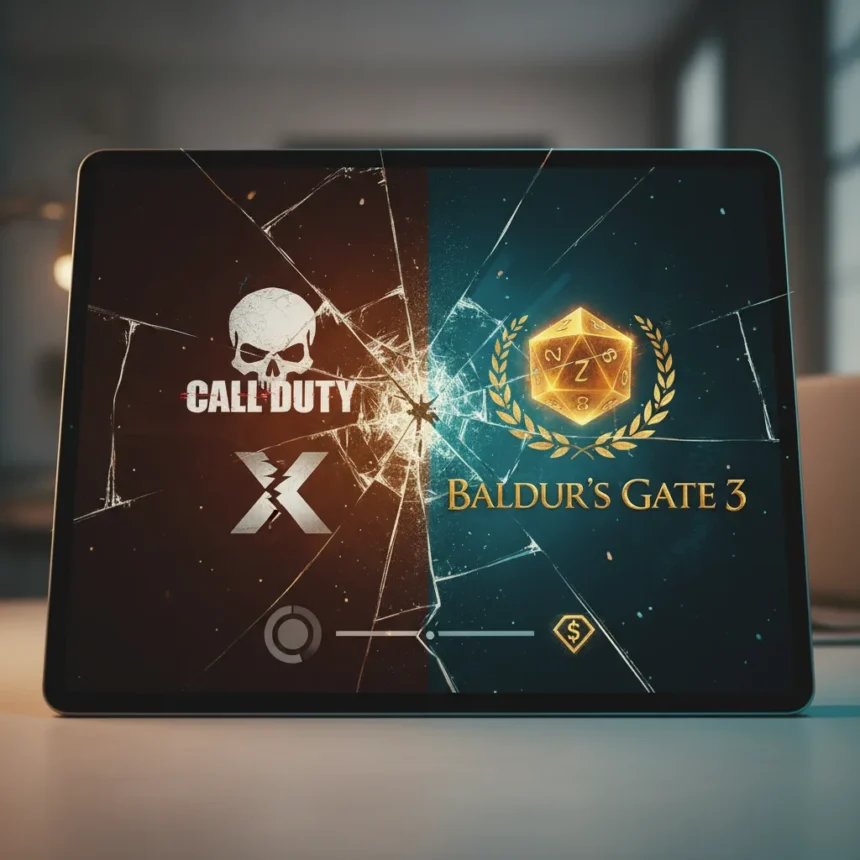
Game Pass Call of Duty day one access is ending. Xbox announced that Call of Duty games will no longer launch on Game Pass Ultimate immediately upon release, instead arriving around a year later during the following year’s holiday season. The shift, paired with a price cut to Game Pass Ultimate, signals Microsoft is backing away from the aggressive day-one strategy that defined the service’s early years—and developers are noticing.
Key Takeaways
- Call of Duty will skip day-one Game Pass access and arrive on Ultimate approximately one year after launch
- Xbox Game Pass Ultimate price is dropping in response to player backlash over previous increases
- Baldur’s Gate 3 director views the change as “a good thing creatively” for game series
- Activision supports the adjustment, calling Game Pass “an awesome place for players to discover games”
- Larian Studios, despite making Baldur’s Gate 3, refuses to support subscription services due to revenue concerns
Why Game Pass Call of Duty day one removal matters right now
Xbox CEO Asha Sharma was direct about the reasoning: “Game Pass Ultimate has become too expensive for too many players”. The price drop addresses a real problem—Microsoft hiked Game Pass prices, faced backlash, and is now correcting course. But the Call of Duty exclusion reveals something deeper. By removing the biggest franchise from day-one access, Microsoft is signaling that even subscription giants cannot afford to cannibalize premium launch sales. Baldur’s Gate 3’s director supports this logic, stating the change is “a good thing creatively,” suggesting that freeing major franchises from subscription pressure allows developers to focus on quality and revenue sustainability.
Activision’s response reflects cautious optimism. The publisher stated: “Game Pass continues to be an awesome place for players to discover games, including Call of Duty. Our focus remains unchanged: to deliver the best possible Call of Duty game experience for players across every platform. We’ll continue to support Game Pass through catalog titles and with new Call of Duty games on Ultimate the following holiday after launch (about a year later)”. Translation: Call of Duty still reaches Game Pass players, but Microsoft and Activision are betting that most will buy upfront rather than wait twelve months.
The developer backlash Game Pass faced
This pivot contradicts Microsoft’s original Game Pass pitch—that subscription inclusion drives sales and player engagement. Developers, however, have consistently reported the opposite. Larian Studios, the studio behind Baldur’s Gate 3, has publicly criticized both Xbox Game Pass and PlayStation Plus models, stating outright they will not support subscription services. The reason is financial. Game Pass provides visibility and a larger initial player base, but independent developers and major studios alike report that subscription cannibalization hurts long-term sales, revenue from DLC, and community-driven recommendations.


The creative tension is real. A game on Game Pass day one reaches millions instantly, but those players have already “paid” via subscription—they have no incentive to buy cosmetics, battle passes, or sequel pre-orders. For a franchise like Call of Duty, which depends on annual releases and seasonal monetization, that math breaks. By moving to a year-later Ultimate arrival, Activision recaptures a full launch window of premium sales, then benefits from Game Pass exposure among players who did not buy upfront.
What this means for subscription gaming’s future
Game Pass Call of Duty day one removal is not a one-off adjustment—it is a retreat from the subscription-first model. Microsoft is admitting, implicitly, that even the world’s largest gaming subscription cannot sustain day-one access for every premium franchise without eroding its own economics and alienating publishers. The price drop sweetens the pill for subscribers, but the message is clear: Game Pass is becoming a secondary discovery platform, not a replacement for traditional game purchases.

For players, this means subscription services will increasingly function like Netflix after the theatrical window—a destination for older, proven titles rather than the latest releases. For developers, it validates the criticism that subscription services, while useful for reach, cannot be the primary revenue engine for ambitious games. Baldur’s Gate 3’s director’s support for the shift suggests the industry recognizes this reality, even as Larian itself refuses to participate in the model.
How does Game Pass Call of Duty day one removal affect players?
Players who want to play the latest Call of Duty immediately must buy it at full price. Game Pass Ultimate subscribers will wait approximately one year for inclusion in the catalog. For casual players and those on tight budgets, this extends the subscription’s value for older Call of Duty titles while introducing friction for new releases. For hardcore Call of Duty fans, the change means less incentive to maintain Game Pass Ultimate for launch titles.
Will other franchises follow Call of Duty off day-one Game Pass?
Likely yes. If Call of Duty—arguably the franchise with the most to lose from subscription cannibalization—negotiates a year-later arrival, expect other major publishers to demand similar terms. Game Pass day-one access was always a negotiated benefit, not a guarantee. As publishers see Call of Duty’s success with a delayed model, they will push for renegotiation or opt out entirely.
Why does Baldur’s Gate 3 director support this change when Larian refuses Game Pass?
The director’s comment that the shift is “a good thing creatively” applies to franchises like Call of Duty, which benefit from full sales revenue and creative freedom from subscription pressure. Larian’s refusal to support Game Pass reflects the studio’s conviction that subscription models hurt indie and mid-tier developers most. The positions are compatible: removing day-one access for premium franchises validates Larian’s argument that subscriptions are not compatible with sustainable game development.


Game Pass Call of Duty day one removal marks the end of subscription services’ honeymoon phase with premium content. Microsoft and Activision are betting that players value ownership and immediate access more than subscription convenience. If that bet pays off—and early industry sentiment suggests it will—expect the subscription-first gaming era to quietly fade. The shift is not a death knell for Game Pass, but a recalibration toward what subscriptions actually do well: providing access to back catalogs and indie discoveries, not replacing day-one purchases.
Where to Buy
Edited by the All Things Geek team.
Source: Windows Central