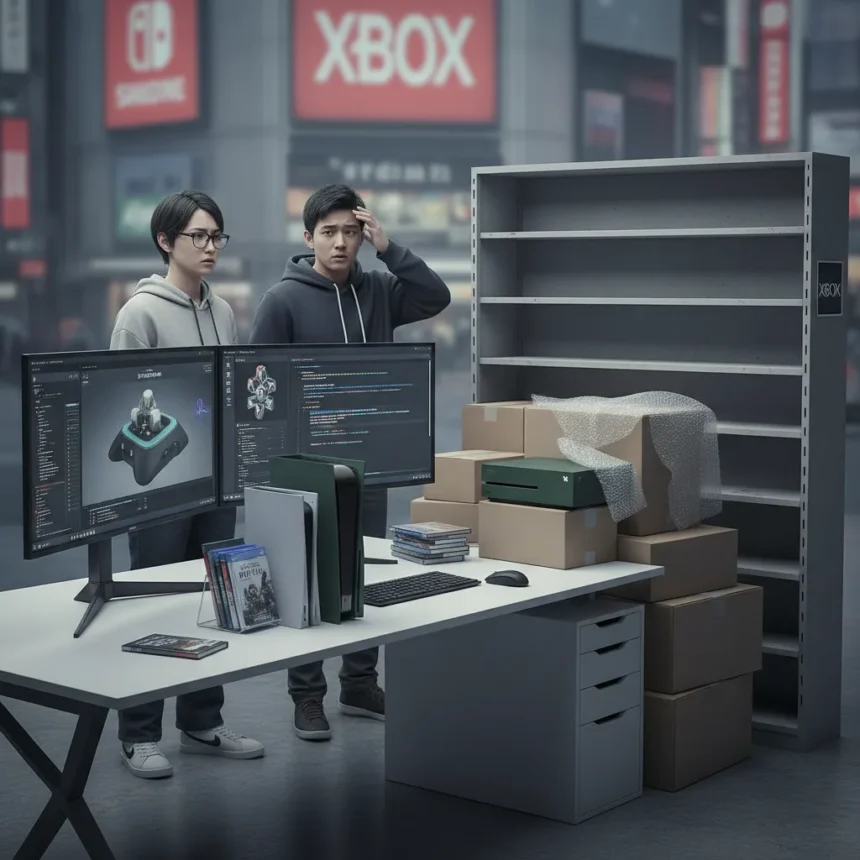
Xbox retail presence Japan has become a critical barrier preventing smaller game developers from porting titles to Microsoft’s console. A Japanese indie developer recently explained that they and many peers skip Xbox entirely because the console is not even stocked in major retail stores across Japan, making it economically unviable to invest development resources in ports.
Key Takeaways
- Japanese indie developers avoid Xbox ports due to minimal physical retail availability in major Japanese stores.
- PlayStation 5 and Nintendo Switch dominate Japanese retail shelves, while Xbox Series X/S remains online-only in most regions.
- Larger publishers like Square Enix and Capcom selectively support Xbox, but smaller studios cannot justify porting costs.
- Xbox Series X/S launched in Japan in November 2020 but never achieved meaningful retail distribution.
- Microsoft’s Game Pass growth has not translated to physical retail presence or developer enthusiasm in Japan.
The Retail Gap: Why Xbox Retail Presence Japan Matters
Xbox retail presence Japan reflects a fundamental market failure. Major Japanese retailers like Bic Camera, Yodobashi, and Yamada Denki stock PlayStation 5 and Nintendo Switch prominently on their shelves. Walk into any of these stores and you will find dedicated display sections, bundled deals, and staff trained to sell these consoles. Xbox Series X and Series S are conspicuously absent. For smaller game studios, this absence is a dealbreaker. If a console cannot be purchased in a physical store, players cannot discover it, and developers cannot justify the expense of porting games to a platform with minimal local sales potential.
The developer’s statement captures a harsh economic reality that Microsoft has failed to solve since launching Xbox Series X/S in Japan in November 2020. Four years of market presence has not translated into retail shelf space. This is not a temporary supply constraint or a logistics hiccup—it reflects a structural decision by Japanese retailers that Xbox simply does not justify floor space when PlayStation and Switch demand is stronger. For indie studios operating on tight budgets, a port to a console unavailable in stores is a sunk cost with no return.
PlayStation and Nintendo’s Retail Dominance
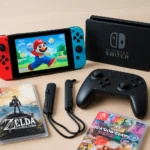
The contrast between Xbox and its competitors is stark. PlayStation 5 remains one of the most sought-after consoles in Japanese retail, despite ongoing stock challenges in some regions. Nintendo Switch, now in its eighth year of availability, commands permanent shelf real estate across all major Japanese electronics retailers. Both platforms benefit from established local publishing ecosystems, strong first-party software libraries, and cultural resonance with Japanese players. Nintendo’s position is particularly entrenched—the Switch is not just a gaming device in Japan; it is a cultural fixture.

Larger Japanese publishers like Square Enix, Capcom, and Bandai Namco do release games on Xbox, often through Game Pass partnerships with Microsoft. But these companies can absorb the cost of supporting a niche platform. Indie developers cannot. When a studio has one successful game and limited resources for porting, they choose platforms where physical retail presence guarantees visibility. A PlayStation or Switch port might reach store shelves and catch the eye of a casual buyer. An Xbox port reaches only digital storefronts and Game Pass subscribers—a far smaller audience in Japan.
Microsoft’s Unresolved Japan Problem
This is not new ground for Microsoft. The company has struggled in Japan for years, and Xbox retail presence Japan remains one of the clearest metrics of that struggle. Game Pass has attracted some Japanese publishers and brought Japanese titles to the service, but subscription growth does not solve the retail visibility problem. A player cannot walk into Yodobashi, see an Xbox console, and decide to buy one on impulse. That friction—the absence of physical presence—cascades through the entire ecosystem. Fewer console sales mean fewer players. Fewer players mean less incentive for developers to port. Fewer ports mean less reason for retailers to stock the console. It is a self-reinforcing cycle.
Microsoft’s recent acquisitions of major franchises like Call of Duty and Final Fantasy have not shifted this dynamic in Japan. While these moves strengthen Xbox’s global portfolio, they do not address the fundamental problem: you cannot play these games on an Xbox if you cannot buy the console where you live. For Japanese players and developers, Xbox remains a theoretical platform rather than a practical one.
What This Means for the Gaming Industry
The developer’s comment reveals a hard truth about global gaming markets: size and wealth alone do not guarantee success. Japan is the world’s third-largest gaming market by revenue, yet Xbox has failed to establish meaningful presence there. This failure has nothing to do with the quality of Xbox hardware or the appeal of Game Pass internationally. It reflects the specific retail dynamics and consumer preferences of the Japanese market, where physical retail still matters enormously and where PlayStation and Nintendo have built decades of goodwill.
For indie developers, the lesson is clear: focus on platforms where your audience can actually buy hardware. For Microsoft, the message is equally stark: Game Pass subscriptions and publishing deals cannot substitute for retail presence. Without physical consoles on store shelves, the platform remains invisible to the casual players who drive hardware adoption in any market. Until Microsoft solves the retail problem in Japan, expect more developers to skip Xbox entirely.
Will Xbox Ever Gain Retail Shelf Space in Japan?
Unlikely in the near term. Japanese retailers make shelf-space decisions based on sales velocity and consumer demand. Xbox has neither in sufficient quantity to justify taking space away from PlayStation or Switch. Microsoft would need to engineer a massive shift in Japanese consumer preference—something that requires first solving the chicken-and-egg problem of retail availability. Without stores, fewer people buy consoles. Without console sales, retailers have no incentive to stock the product. Breaking this cycle requires either a blockbuster exclusive game that drives demand, or a dramatic price cut, or both. Neither appears imminent.

Could Game Pass Change the Equation?
Game Pass growth globally is real, but in Japan it has not translated to hardware sales or retail presence. Subscription services appeal primarily to existing console owners or players already comfortable with digital distribution. They do not solve the problem of reaching casual players who discover products in retail stores. Until Game Pass can convince Japanese retailers that Xbox hardware is worth shelf space, the subscription service remains a tool for engaging an existing niche rather than a path to mainstream adoption.
The bottom line: Xbox retail presence Japan will remain a barrier for developers and players alike until Microsoft commits to solving the retail problem directly. Without physical availability, the platform will continue to be overlooked by both independent studios and casual consumers, cementing its status as a secondary option in one of gaming’s most important markets.
Edited by the All Things Geek team.
Source: TechRadar