Nintendo Switch 2 games are shaping up to deliver real substance, not just incremental upgrades. Capcom’s decision to develop for the platform demonstrates that publishers see genuine opportunity in Nintendo’s next-generation hardware, and that confidence matters more than any spec sheet.
Key Takeaways
- Capcom is actively developing for Nintendo Switch 2, signaling strong publisher confidence in the platform’s future.
- The current Nintendo Switch ecosystem is already excellent, with Switch 2 poised to enhance rather than replace it.
- Nintendo Switch 2 includes new hardware features like the official Camera accessory for expanded gameplay possibilities.
- Publisher support determines console success more than raw power; Capcom’s involvement is a positive indicator.
- Switch 2 positions itself as “basically the Switch, but a little bigger and a lot more powerful”.
Why Publisher Support Matters More Than Specs
The real measure of a console’s future isn’t processing power or RAM—it’s whether studios actually want to build for it. Capcom’s commitment to Nintendo Switch 2 games development proves that major publishers believe the platform deserves investment. A showpiece title from a studio of Capcom’s caliber signals confidence that the install base will follow and that development costs will be justified. This is the kind of vote of confidence that shapes a console’s trajectory.
Nintendo has always competed on exclusives and first-party strength rather than raw horsepower. Switch 2 games developed by Capcom reinforce that philosophy. When a publisher of Capcom’s stature dedicates resources to a platform, it tells developers elsewhere: this ecosystem is worth supporting. That cascades into better third-party lineups, which is exactly what determines whether a console thrives or fades.
The Current Switch Ecosystem Is Already Excellent
Before discussing what Switch 2 will offer, it’s worth acknowledging what the original Switch already delivers. The current generation has proven that portability, flexibility, and strong exclusives matter more to players than matching PlayStation or Xbox’s graphical prowess. The fact that T3’s coverage emphasizes “we have it really, really good right now” reflects genuine satisfaction with the existing library and hardware ecosystem. Switch 2 isn’t a necessity—it’s an opportunity to enhance something that already works.
This matters because it reframes the Switch 2 conversation. This isn’t a desperate attempt to catch up to competitors. It’s a refinement of a winning formula. A little bigger, a lot more powerful—those incremental improvements sound modest until you consider what developers like Capcom can do with them. More processing headroom means richer worlds, faster load times, and gameplay ideas that weren’t feasible before.
Nintendo Switch 2 Hardware Sets the Stage
The official Nintendo Switch 2 Camera accessory represents an interesting throwback with modern ambition. It echoes the PlayStation 2’s EyeToy and Xbox Kinect, motion-capture peripherals that promised revolutionary gameplay but mostly delivered gimmicks. The difference now is integration maturity. GameChat functionality—video calling during play—suggests Nintendo is thinking about social connectivity in ways those earlier motion accessories never managed. Novel gameplay possibilities emerge when cameras integrate with existing ecosystems rather than existing as isolated novelties.
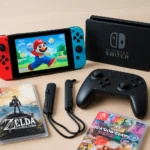
This accessory approach reveals Nintendo’s philosophy: expand capability without forcing it. Players who want the camera can use it; those who don’t can ignore it entirely. That flexibility has always been Switch’s strength. Hardware additions feel optional rather than mandatory, which keeps the platform accessible while rewarding early adopters who experiment.
How PC Gaming and Console Competition Fit In
The competitive landscape matters here. PC gaming can outperform consoles like PS5 Pro or Switch 2 in raw capability, particularly for certain genres where superior graphics and frame rates define the experience. A Steam RPG might leverage high-end hardware in ways no console can match. But console ports often follow with enhancements like voice acting, optimized controls, and streamlined experiences designed for living room play. Switch 2 won’t win on processing power, but it doesn’t need to. Capcom’s involvement suggests the studio sees a distinct market opportunity—portability and Nintendo’s ecosystem—worth developing for despite the hardware ceiling.
This is where publisher commitment becomes critical. A studio choosing to develop Nintendo Switch 2 games alongside or instead of pushing PC-exclusive versions is making a statement about where they see audience demand and profitability. Capcom’s decision reflects confidence that the Switch 2 audience will justify the development investment, even if raw horsepower trails behind.
What This Means for Switch Owners Right Now
The immediate takeaway is reassuring: the Switch isn’t being abandoned. Capcom’s showpiece title isn’t a one-off gesture—it’s part of a broader publishing strategy. When major studios commit to a platform, they commit repeatedly. One strong launch title becomes two, then three, then a full lineup. That’s how platforms build momentum.
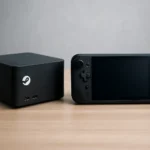

For current Switch owners, this means the ecosystem continues to improve. The original Switch’s library is already mature and diverse. Switch 2 doesn’t need to prove itself against the Switch—it needs to prove it’s worth upgrading for, and publisher support like Capcom’s does exactly that. Better framerates, faster loading, more ambitious art direction, and gameplay ideas that weren’t technically feasible before become possible with the new hardware.
Is Nintendo Switch 2 a worthwhile upgrade from the original Switch?
If you’re a heavy Switch player, yes. The “a little bigger and a lot more powerful” design philosophy means improved performance, faster loading, and access to newer titles optimized for the hardware. If your Switch backlog is still deep, there’s no urgency. The original Switch’s library is excellent and will remain playable.
Will Capcom release exclusive Nintendo Switch 2 games?
The research available doesn’t specify whether Capcom’s Switch 2 games will be exclusives or multiplatform releases. Capcom’s involvement signals platform commitment, but modern game development typically prioritizes multiplatform strategies to maximize audience reach and profitability.
What makes Nintendo Switch 2 different from the original Switch hardware?
Nintendo Switch 2 is described as larger and significantly more powerful than the original, supporting enhanced graphics, faster processing, and new features like the official Camera accessory for GameChat integration and novel gameplay mechanics.
Capcom’s decision to develop for Nintendo Switch 2 proves that the platform’s future is built on the same foundation that made the original Switch successful: solid first-party games, publisher confidence, and a unique market position. The current Switch ecosystem is already excellent, and Switch 2 simply promises to make good things better. That’s not revolutionary—it’s exactly what a successful console generation should do.
Where to Buy
Edited by the All Things Geek team.
Source: T3