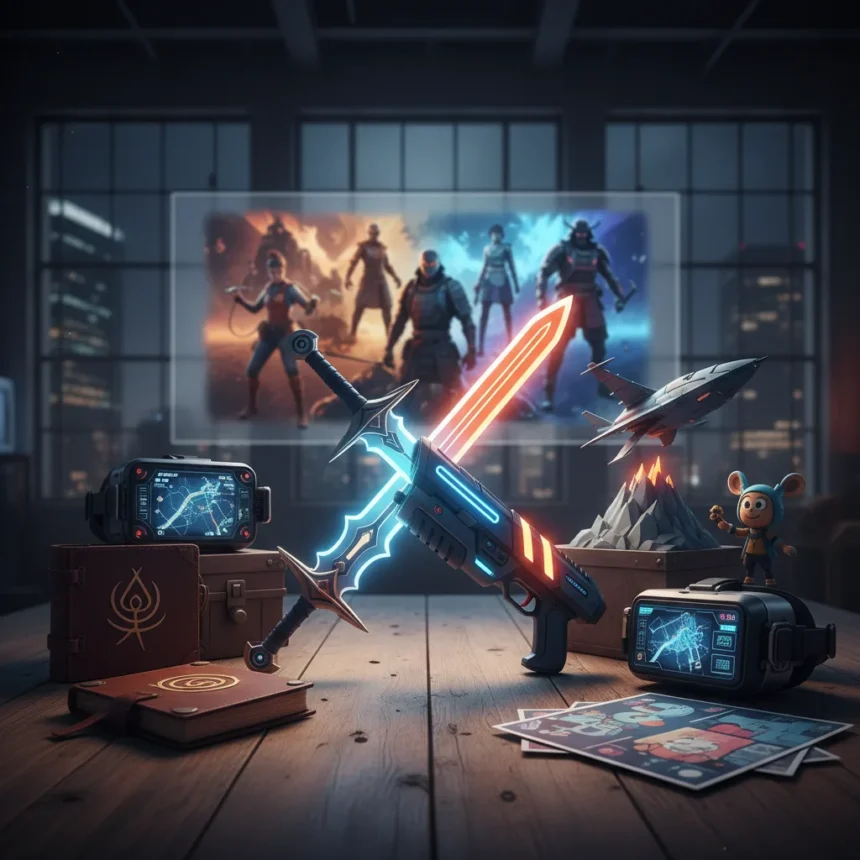
Video game movie adaptations have historically been a wasteland of missed opportunities and franchise cash-grabs. But something is shifting in how studios approach this space, and the latest wave of projects suggests we might finally be entering an era where these adaptations actually respect their source material.
Key Takeaways
- Video game movie adaptations are moving beyond generic action formulas toward character-driven storytelling.
- Sony is developing multiple gaming-based projects with fresh creative approaches.
- The success of recent gaming adaptations shows audiences want faithful interpretations, not loose interpretations.
- Streaming platforms are investing in gaming IP differently than theatrical studios did a decade ago.
- Quality writing and proper development time matter more than big budgets for gaming adaptations.
Why Video Game Movie Adaptations Failed for So Long
For decades, Hollywood treated video game IP as a shortcut to built-in audiences. Studios would license a recognizable franchise, hire action directors with no gaming experience, and assume the brand name alone would carry the film. The results were predictable: hollow action spectacles that alienated fans and baffled general audiences. Resident Evil became a Paul W.S. Anderson vehicle that abandoned survival horror for explosions. Assassin’s Creed tried to blend parkour stunts with convoluted lore. Sonic the Hedgehog needed a complete redesign mid-production because the first version was so aggressively wrong.
The core problem was simple: studios saw gaming IP as a property to exploit, not a creative foundation to build from. They hired screenwriters who had never played the games. Directors approached the material as a generic action template rather than a specific world with its own logic, tone, and narrative DNA. Most critically, they gave themselves no time. Video games tell stories across 40-100 hours. Compressing that into 90 minutes requires understanding what makes the game special, not just what explosions it contains.
What Video Game Movie Adaptations Are Doing Right Now
The current shift is visible in how new projects are being greenlit and developed. Rather than treating gaming IP as a quick adaptation, studios are investing in proper development cycles, hiring writers who actually understand the source material, and allowing creative teams to spend time figuring out what makes each game distinctive. This is not a minor change—it represents a fundamental rethinking of how to approach the material.


Sony’s approach to its gaming portfolio is particularly telling. The company is not rushing adaptations to market. Instead, it is working with creators who understand both gaming and storytelling to develop projects that can stand on their own as films and television while honoring what made the games compelling. This means taking risks on character-driven stories rather than defaulting to spectacle, and trusting that audiences who love these games want something more than a live-action cutscene.
The distinction matters because video games offer something film and television rarely do: interactive narrative, player agency, and the ability to spend genuine time in a world. A successful adaptation cannot simply copy the plot. It has to understand why players cared about that world and translate that investment into something viewers will feel without the controller in their hands.

How Video Game Movie Adaptations Compete With Other Entertainment
Video game adaptations now compete directly with prestige television and big-budget films, not just with other gaming movies. A show based on a video game is competing for attention against limited series from HBO, limited series from Netflix, and theatrical releases from major studios. That raises the bar significantly. It means the writing has to be as strong as any other drama. The performances have to match what audiences expect from serious television. The world-building has to feel earned, not borrowed.
This is actually an advantage if studios embrace it. Video games have spent the last two decades developing rich narratives, complex characters, and detailed worlds. Many games now rival novels and films in storytelling sophistication. A creative team that understands this—that sees the source material as a legitimate narrative foundation rather than a novelty—can create something genuinely compelling. The problem is that most studios still do not see it that way.
Why This Moment Matters for Video Game Movie Adaptations
The current moment is crucial because it represents the last chance for this category to establish itself as a legitimate form of entertainment rather than a curiosity. If the next wave of projects—the ones being developed with actual care and resources—fails, the industry will likely retreat back to cynical cash-grabs. But if even a few of these projects succeed with both critics and audiences, it signals that video game adaptations can be taken seriously.
The audience is ready. Gamers have proven they will support quality adaptations. General audiences have shown they will watch shows and films based on gaming IP if the storytelling is strong. The infrastructure exists: streaming platforms with budgets, production companies with experience, and a pool of creators who understand gaming culture. What remains is execution, and that requires studios to stop seeing gaming IP as a shortcut and start seeing it as a genuine creative challenge.

Can video game movie adaptations actually be good?
Yes, but only if they are treated as serious creative projects rather than licensed products. The key is hiring teams who understand both the source material and the medium they are adapting it into. A great video game adaptation will not feel like a video game that you are watching—it will feel like a film or show that honors what made the game special while standing on its own.
What makes a video game movie adaptation succeed or fail?
Success comes from respecting the source material’s tone and themes, investing in proper development time, and hiring creative teams with genuine knowledge of gaming. Failure happens when studios treat the IP as a generic action template, rush production, or hire people who have never engaged with the game.
Why are studios suddenly investing in video game movie adaptations again?
Streaming platforms have changed the economics of adaptation. Television allows for longer storytelling and character development than theatrical releases, making it a better fit for game narratives. Additionally, the success of a few quality adaptations has proven there is genuine audience demand when the work is done properly.
Video game movie adaptations are finally moving in the right direction because studios are learning what fans have always known: these stories deserve respect. The games that inspire these projects have already proven they can captivate millions of people. The challenge now is translating that magic to screen without losing what made it special in the first place. If Sony and other studios can pull that off, this could be the era when gaming adaptations stop being a punchline and start being something worth watching.
Where to Buy
Amazon Fire TV Stick 4K Max 2023 | Google Chromecast with Google TV
Edited by the All Things Geek team.
Source: T3