Xbox backwards compatibility just got a tantalizing hint. In early April 2026, several delisted Xbox 360 titles briefly surfaced on the Xbox Store with ‘coming soon’ tags, sparking intense speculation about whether Microsoft is preparing to resurrect one of gaming’s most beloved features.
Key Takeaways
- Delisted Xbox 360 games including Aegis Wing, Prince of Persia: The Sands of Time, and Left 4 Dead reappeared on the Xbox Store in April 2026.
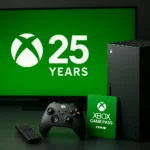
- Xbox VP Jason Ronald committed to reviving Xbox backwards compatibility at GDC 2026 as part of the platform’s 25th anniversary celebration.
- Over 500 Xbox 360 titles remain delisted and unavailable digitally since the Xbox 360 Marketplace closed on July 29, 2024.
- The Xbox backwards compatibility program originally peaked at over 600 playable titles from original Xbox and Xbox 360 on modern consoles.
- Fan demand for preservation remains high, with community sites tracking 241-272 delisted Xbox One titles and 501-532 delisted Xbox 360 games.
What Just Happened With Xbox Backwards Compatibility
On April 3, 2026, the Better xCloud datamining account spotted something unusual: delisted Xbox 360 games were appearing in the Xbox Store across certain regions. The list included Aegis Wing, Prince of Persia: The Sands of Time, Mars: War Logs, Armed and Dangerous, Left 4 Dead, Left 4 Dead 2, Batman: Arkham Origins, Lost Planet: Extreme Condition, Castlevania: Symphony of the Night, Catherine, Deadly Premonition, Steins;Gate FD, and Jurassic Park: The Game. Each listing carried a ‘coming soon’ tag. The appearances were temporary—the games vanished from the store shortly after being discovered—but the timing is impossible to ignore.
Better xCloud noted the pattern: ‘This happened again, this time with Aegis Wing and Prince of Persia: The Sands of Time. What’s happening 👀? Meanwhile, Mars: War Logs (X360) got delisted unannounced’. The account initially flagged Armed and Dangerous as possibly accidental, but subsequent appearances suggested something more deliberate. Whether these were test listings, licensing explorations, or genuine preparation for a backwards compatibility rollout remains unclear.
Microsoft’s 25th Anniversary Promise for Xbox Backwards Compatibility
The resurfacing of these games did not happen in a vacuum. At GDC 2026 in March, Xbox VP Jason Ronald made a significant commitment: Microsoft would revive its Xbox backwards compatibility program as part of the platform’s 25th anniversary celebration later in 2026. This announcement carries real weight. The Xbox backwards compatibility initiative, which launched in 2015, became one of the platform’s defining features, eventually bringing over 600 original Xbox and Xbox 360 titles to Xbox One and Xbox Series X|S.

Ronald’s pledge suggests Microsoft recognizes the cultural value of preservation. The Xbox 360 Marketplace officially ceased new purchases on July 29, 2024, creating a hard deadline for digital access to hundreds of games. Without active backwards compatibility efforts, entire libraries risk permanent disappearance. The April 2026 store appearances align suspiciously well with Ronald’s timeline—suggesting preparation for an announcement or rollout later in the year.
The Scale of Xbox’s Delisting Problem
The problem Microsoft is attempting to address is substantial. Community preservation sites track 501-532 delisted Xbox 360 titles and 241-272 delisted Xbox One games, including backwards compatible Xbox 360 titles. These are games that existed, that players owned, and that are now inaccessible through official digital channels. Some remain playable via disc on modern hardware, but licensing disputes, publishing shutdowns, and music licensing expirations have created a graveyard of unavailable software.
Fan demand for specific titles remains intense. Top-requested original Xbox games for preservation include Jet Set Radio Future, Sonic Heroes, and The Simpsons: Hit & Run. These are not obscure indie titles—they are culturally significant games that shaped the platform’s identity. The fact that licensing complications prevent their re-release highlights a systemic issue in digital game distribution that extends far beyond Xbox.
What This Means for Xbox Backwards Compatibility Going Forward
The leaked listings do not confirm which games will actually return, or when. Microsoft could be testing store infrastructure, negotiating licensing agreements, or preparing a broader announcement. Some of the games spotted—like Lost Planet: Extreme Condition—were not actually delisted, complicating the narrative. Batman: Arkham Origins and Lost Planet remain playable via disc on modern Xbox hardware, so their reappearance might target digital access rather than technical enablement.
What matters is the signal. Microsoft is acknowledging that backwards compatibility matters. In an industry where publishers routinely abandon old software, where licensing disputes erase history, and where digital libraries can vanish overnight, that commitment is rare. The April 2026 store appearances—whether accidental or intentional—suggest that revival is coming. Whether it includes all the delisted titles fans want, or just a curated selection, remains to be seen.
How Xbox Backwards Compatibility Compares to PlayStation and Nintendo
Xbox’s backwards compatibility program has historically been more aggressive than its competitors. PlayStation 5 offers limited PS4 backwards compatibility and minimal support for PS3 games. Nintendo’s approach focuses on re-releasing classic titles through Nintendo Switch Online rather than enabling direct compatibility. Xbox’s commitment to running hundreds of older games on new hardware sets a different standard—one that prioritizes player libraries and game preservation over re-selling the same titles repeatedly.
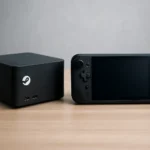

That distinction matters to players who have invested in digital libraries. If Microsoft follows through on its 25th anniversary promise, it could reinforce Xbox’s identity as the platform that respects player investment. Alternatively, if the leaked games never materialize, it signals that licensing and publishing disputes still trump preservation—a reality that affects all platforms equally.
Will the delisted games actually return to Xbox backwards compatibility?
The April 2026 store appearances suggest Microsoft is preparing something, but nothing is confirmed. These could be test listings, accidental backend changes, or genuine preparation for a backwards compatibility announcement. Jason Ronald’s GDC 2026 commitment to revive the program supports the optimistic interpretation, but timelines and scope remain unknown. Expect clarity sometime in the second half of 2026.
Why did Xbox 360 games get delisted in the first place?
Games are delisted for multiple reasons: music licensing expirations, publishing company shutdowns, licensing agreement endings, or removal at publisher request. The Xbox 360 Marketplace closure on July 29, 2024, accelerated digital access loss for hundreds of titles. Some games remain on disc, but digital purchases became inaccessible.
Are there other delisted games Microsoft might bring back?
Over 500 Xbox 360 titles remain delisted, so the potential catalog is enormous. Fan preservation sites track community demand, with titles like Jet Set Radio Future and Sonic Heroes appearing frequently on wish lists. Which games actually return will depend on licensing negotiations and Microsoft’s priorities.
The April 2026 leak matters because it proves Microsoft is actively working on Xbox backwards compatibility restoration. Whether those delisted games actually return depends on licensing deals and corporate priorities, but the signal is clear: preservation is back on the agenda. For players who lost access to their digital libraries, that alone is worth paying attention to.
Where to Buy
Edited by the All Things Geek team.
Source: Windows Central