Xbox rebrand strategy is winning support from unexpected quarters. Laura Fryer, a former Microsoft Game Studios executive producer, has publicly endorsed Microsoft’s decision to refocus its gaming division around the Xbox identity rather than the broader Microsoft Gaming umbrella. Her backing signals that the company’s move to listen to fan feedback and instantly pivot its branding approach is resonating even with veterans of the industry.
Key Takeaways
- Laura Fryer, former Microsoft Game Studios executive, strongly supports the Xbox rebrand decision.
- Microsoft shifted back to Xbox as its core gaming identity after hearing fan concerns.
- The rebrand aims to rebuild player trust and generate momentum in the market.
- Fryer believes listening to fans and acting quickly on feedback demonstrates smart leadership.
- The move signals a strategic reset for Microsoft’s gaming division identity.
Why Xbox rebrand strategy matters now
The timing of this rebrand reflects a broader recognition within Microsoft that the Xbox name carries weight with players. According to Microsoft’s stated rationale, “Xbox needs to be our identity”. This is not merely cosmetic—it represents a fundamental acknowledgment that the company’s previous attempt to subsume Xbox under a broader Microsoft Gaming banner diluted the brand’s resonance. By returning to Xbox as the primary identity, Microsoft is signaling that it understands what players actually care about: the games, the community, and the heritage of the Xbox ecosystem itself.
Fryer’s endorsement carries particular weight because she spent years inside Microsoft’s game studios leadership. She is not an outside analyst or a casual observer—she understands the internal dynamics that led to this decision. Her public support suggests that the rebrand was not a knee-jerk reaction but a thoughtful course correction based on listening to what the gaming community wanted. For a company often criticized for being slow to adapt, this speed of response demonstrates a willingness to act on feedback rather than defend a failing strategy.
Building momentum and player trust through Xbox rebrand strategy
The core argument behind the Xbox rebrand strategy is straightforward: players trust the Xbox name, and Microsoft needs to lean into that equity rather than bury it under corporate rebranding. Fryer’s assessment that the company is “building real momentum and player trust” suggests that early signals from the market are positive. This matters because trust is notoriously difficult to rebuild once lost, and Microsoft’s gaming division has faced skepticism over the past few years regarding its overall direction and execution.


The rebrand accomplishes something psychological that a press release cannot. It tells players that Microsoft is willing to admit a mistake and correct course. In an industry where players are cynical about corporate decision-making, that honesty is valuable. Fryer’s public backing reinforces the message that this is not damage control—it is a genuine strategic reset driven by respect for player feedback. The Xbox rebrand strategy is thus as much about messaging as it is about identity; it communicates that the company listens and acts on what it hears.
How does Xbox rebrand strategy compare to other gaming divisions?
Gaming divisions across the industry operate with different branding philosophies. Some, like PlayStation, maintain a singular, unified brand identity across all their gaming products and services. Others, like Nintendo, use distinct sub-brands for different product lines while maintaining a strong parent identity. Microsoft’s previous approach—attempting to consolidate under “Microsoft Gaming”—attempted to emphasize corporate scale but at the cost of brand clarity. The Xbox rebrand strategy reverses that logic by prioritizing brand recognition and player identity over corporate consolidation.

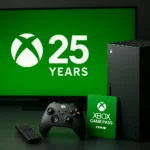

This shift reflects a lesson that many tech companies have learned the hard way: players do not care about corporate restructuring. They care about the games they play and the community they belong to. By returning to Xbox as the core identity, Microsoft is aligning its organizational branding with what players actually value. Fryer’s support for this move suggests it is the right call, at least from the perspective of someone who understands both the internal challenges and the external market pressures that gaming leaders face.
Is the Xbox rebrand a permanent shift or a temporary pivot?
The permanence of the Xbox rebrand strategy depends on execution. A rebrand is only as credible as the products and services that follow it. If Microsoft delivers strong games, maintains community engagement, and continues to listen to player feedback, the rebrand will stick. If the company reverts to old patterns of slow decision-making or ignores player concerns, the rebrand becomes just another corporate misstep. Fryer’s confidence in the move suggests she believes Microsoft has learned its lesson, but actions will ultimately determine whether this rebrand reshapes the company’s trajectory or becomes a footnote in its gaming history.
What specific changes does the Xbox rebrand strategy include?
The rebrand centers on returning Xbox to its position as the primary identity for Microsoft’s gaming business. Rather than a visual redesign or a new logo, the change is fundamentally about organizational and strategic realignment. Microsoft is signaling that Xbox—not a broader corporate gaming division—is the face of the company’s gaming efforts. This simplification matters because it removes confusion about what Microsoft gaming actually is and refocuses the company on the heritage and player loyalty that the Xbox brand has built over two decades.
Why did Microsoft move away from Xbox branding in the first place?
The research brief does not provide specific details about why Microsoft initially shifted toward Microsoft Gaming branding, so the exact reasoning behind that earlier decision remains unclear. What is clear is that the move did not resonate with players, and Microsoft recognized the problem quickly enough to course-correct. Fryer’s support suggests that the decision to return to Xbox was driven by honest assessment of what players wanted, not by internal politics or corporate restructuring mandates.


Will the Xbox rebrand strategy affect Game Pass or other services?
The research brief does not specify how the rebrand affects individual services like Game Pass or other Microsoft gaming offerings. The rebrand appears to be primarily about the identity and organizational structure of Microsoft’s gaming division rather than a fundamental change to the services themselves. However, the rebrand likely means that these services will be more prominently associated with the Xbox identity going forward, reinforcing the connection between Xbox and the broader ecosystem of gaming experiences Microsoft offers.
Laura Fryer’s endorsement of the Xbox rebrand strategy carries real significance in an industry where trust and credibility matter enormously. Her backing suggests that Microsoft’s decision to listen to players and act decisively is the right move—not just for the company’s bottom line, but for the health of the gaming community it serves. If Microsoft can maintain this momentum and continue to prioritize player feedback over corporate convenience, the rebrand could mark a genuine turning point in how the company approaches its gaming business.
Edited by the All Things Geek team.
Source: TechRadar