


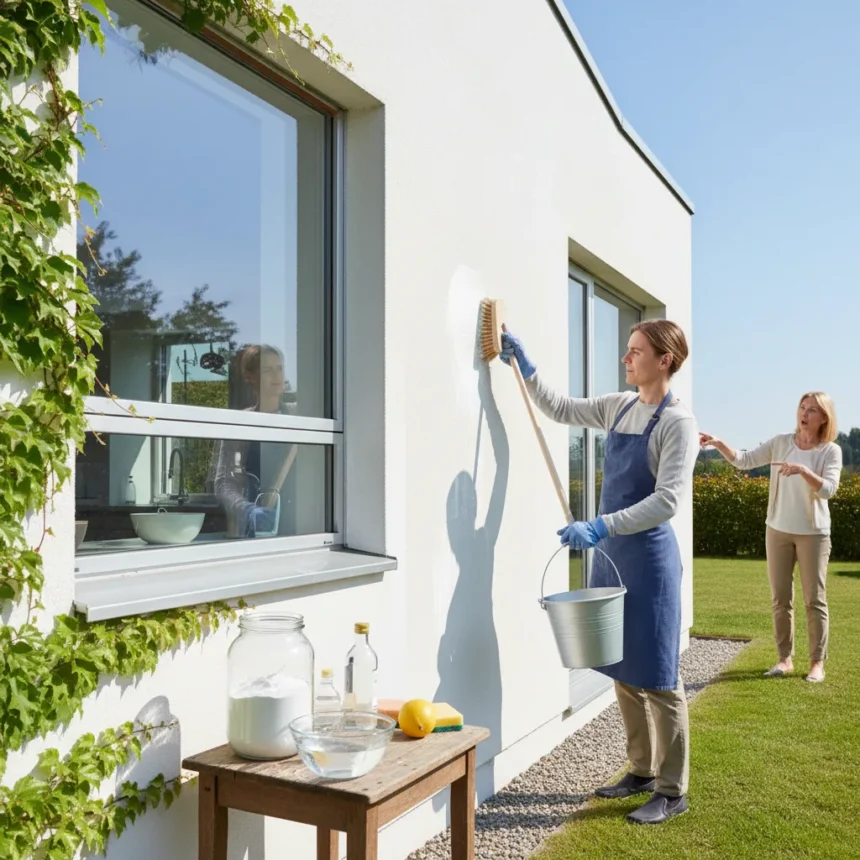
Exterior wall cleaning doesn’t require expensive commercial products or professional services. A kitchen staple can refresh your home’s exterior for spring and deliver results that catch neighbors’ attention.
Key Takeaways
- Common kitchen ingredients can effectively clean exterior walls without harsh chemicals.
- Spring is the ideal time to refresh exterior surfaces before summer weather arrives.
- DIY exterior wall cleaning saves money compared to professional pressure washing services.
- Natural cleaning methods work on multiple exterior surface types.
- Results are visible enough to prompt comments from neighbors.
Why Exterior Wall Cleaning Matters for Spring
Winter weather leaves exterior walls covered in dirt, algae, mold, and mineral deposits. Spring cleaning isn’t just about interiors—your home’s exterior needs attention too. Neglected walls accumulate grime that worsens over time, potentially damaging paint and siding. A thorough exterior wall cleaning restores curb appeal and protects your investment in home maintenance.
Many homeowners assume professional power washing is the only solution. The cost runs high, and aggressive pressure can damage certain surfaces. A gentler approach using common kitchen ingredients achieves similar results without the expense or risk of surface damage.
The Kitchen Ingredient That Works
Hydrogen peroxide, a staple found in most kitchen medicine cabinets, is the ingredient delivering results for exterior wall cleaning. This common household chemical breaks down organic growth like mold and algae while lifting embedded dirt from wall surfaces. Unlike bleach, hydrogen peroxide doesn’t leave harsh chemical residues and poses fewer risks to surrounding plants and landscaping.


The effectiveness of hydrogen peroxide for exterior wall cleaning stems from its oxidizing properties. When applied to dirty surfaces, it penetrates grime and kills the microorganisms responsible for discoloration. The bubbling action physically helps lift debris away from the wall, similar to how it cleans wounds on skin. This dual action—chemical breakdown plus mechanical lifting—makes it surprisingly effective on various exterior materials.
How to Use This Method for Exterior Wall Cleaning
Before starting any exterior wall cleaning project, ensure your safety. Wear protective gloves, eye protection, and appropriate clothing. Test the hydrogen peroxide solution on a small, inconspicuous area first to confirm it won’t damage your specific wall material. Never mix hydrogen peroxide with other cleaning chemicals, as this creates dangerous compounds.



Apply hydrogen peroxide directly to dirty wall sections using a spray bottle or garden sprayer. Let it sit for 10-15 minutes, allowing time for the chemical to penetrate the grime. The peroxide will begin foaming as it works. Use a soft-bristled brush to gently scrub the surface, working in small sections. Rinse thoroughly with clean water from a garden hose. For stubborn stains, repeat the process rather than applying excessive pressure that could damage the wall.
The beauty of this exterior wall cleaning approach is its gentleness. You’re not blasting surfaces with high-pressure water that can strip paint, damage mortar, or force water into wall cavities. Instead, you’re using a chemical solution that does most of the work while you provide light physical assistance.
Results That Get Neighbors Talking
The visible transformation after exterior wall cleaning surprises many homeowners. Walls that looked dingy and aged suddenly appear brighter and fresher. This dramatic before-and-after effect is why neighbors notice. The difference isn’t subtle—it’s the kind of change that makes people ask what you did to your house.
The timing matters. Spring is when everyone’s attention turns to outdoor spaces. Clean exterior walls make your entire home look better maintained and more attractive. Combined with fresh mulch, cleaned windows, and trimmed landscaping, exterior wall cleaning completes a polished spring refresh that enhances your home’s overall appearance.



Comparing Methods for Exterior Wall Cleaning
Professional pressure washing costs between $200 and $600 for average homes, depending on size and surface condition. It’s fast but carries risks of damage to delicate surfaces like wood siding or older brick. Hiring someone also means scheduling around their availability. DIY hydrogen peroxide cleaning costs under $20 in supplies and lets you work on your own timeline. The tradeoff is time—it takes longer than professional pressure washing, but the lower cost and control over the process make it appealing for budget-conscious homeowners.
Chemical cleaners specifically marketed for exterior walls often contain harsher ingredients and cost more than hydrogen peroxide. They may require protective equipment and careful handling. Hydrogen peroxide offers a middle ground: effective enough to deliver visible results, gentle enough to use safely without extensive precautions, and affordable enough that cost isn’t a barrier to getting started.
What Surfaces Work Best
Hydrogen peroxide works effectively on most common exterior materials including vinyl siding, painted wood, stucco, and concrete. It’s particularly effective on surfaces where algae and mold growth is the primary issue. Test first on any delicate or aged surfaces to ensure compatibility. Avoid using this method on unfinished wood or surfaces where water penetration could cause problems.
Frequently Asked Questions
Can I use regular kitchen hydrogen peroxide for exterior wall cleaning?
Yes. Standard 3% hydrogen peroxide from your medicine cabinet works fine for exterior wall cleaning. For heavily soiled surfaces, you can purchase higher concentrations from hardware stores, but the standard version is safe and effective for most applications.
How often should I clean my exterior walls?
Spring cleaning is ideal, especially in climates with winter moisture and algae growth. If you live in humid areas, annual cleaning prevents excessive buildup. Most homes benefit from exterior wall cleaning every 1-2 years depending on local weather and environmental factors.
Will this method damage my landscaping?
Hydrogen peroxide breaks down into water and oxygen, making it safer for plants than many commercial cleaners. Still, rinse nearby plants thoroughly after cleaning to remove any peroxide residue. Avoid spraying the solution directly on delicate flowers or newly planted vegetation.
Exterior wall cleaning using a common kitchen ingredient delivers results that justify the effort. Spring is the perfect time to refresh your home’s appearance, and this method proves that expensive professional services aren’t always necessary. Try it yourself and see why neighbors are asking what you did to make your house look so clean.
Where to Buy
Arm & Hammer Baking Soda: | Greenworks 2700 PSI Pressure Washer:
This article was written with AI assistance and editorially reviewed.
Source: Tom's Guide