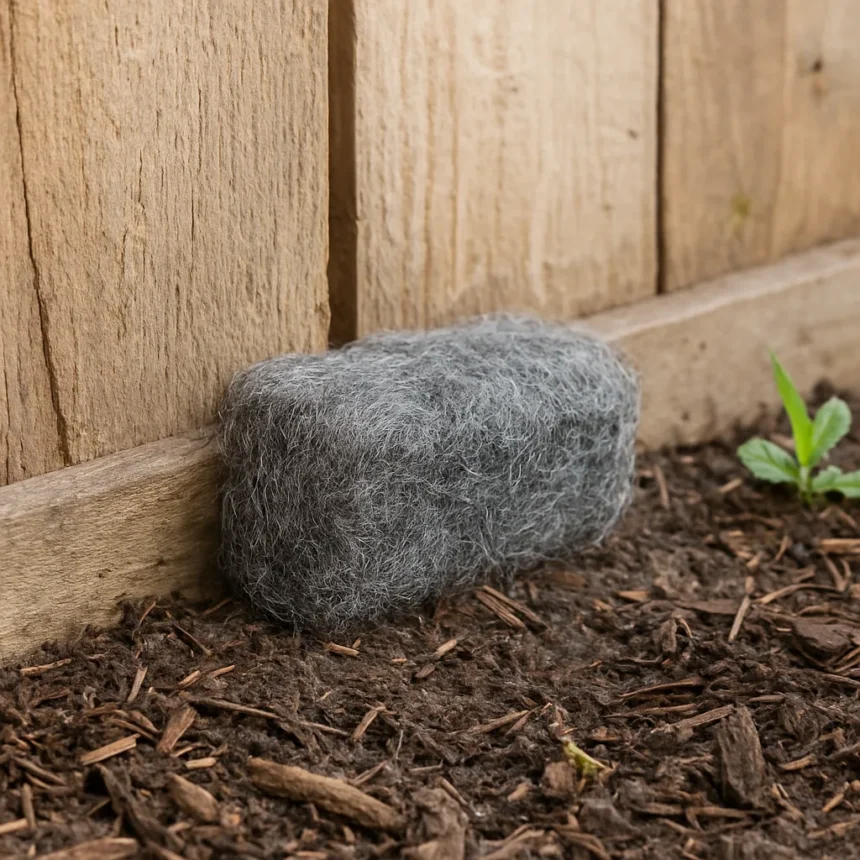
The rat-proof yard hack that pest experts are recommending right now costs almost nothing and takes minutes to apply: steel wool packed tightly into gaps and entry points around your home and yard. Steel wool refers to fine metal fibres woven into a coarse pad, available at local homeware stores for as little as $1 per assorted-grade pack. Unlike caulk or expanding foam used alone, steel wool is extremely difficult for rats to chew through, making it one of the most effective low-cost barriers available.
Why Steel Wool Is the rat-proof yard hack Worth Knowing
Rats are far more capable of squeezing through small openings than most homeowners realise. As one pest expert puts it plainly: if a pen can fit in the gap, a rat probably can too. That single principle changes how you look at your property. Gaps around pipes, skirting boards, foundations, siding, doorways, brickwork, baseboards, and vent openings are all potential entry points — and in most homes, there are more of them than you think.
Steel wool addresses this problem directly. Pack it tightly into any gap you find, then seal it with caulk or a strong adhesive for extra protection. The combination matters: steel wool resists chewing, while caulk or adhesive prevents rats from pulling the wool out or working around it over time. Neither material alone is as effective as both used together. For doorways, weather-stripping such as foam insulation tape adds another layer of defence at ground level.
How to Apply the Steel Wool Method Step by Step
Before you start, wear gloves — steel wool fibres can irritate skin. Walk around your yard and home systematically, inspecting for holes or gaps in brickwork, foundations, siding, doorways, pipes, vents, and baseboards. Take your time here; a gap you miss is an open invitation. Once you have identified every entry point, pack each one tightly with steel wool, ensuring there are no loose edges a rat could grip. Finally, seal the packed wool with caulk or strong adhesive and allow it to cure fully before considering the job done.


This is not a one-time fix. Rats are persistent, and new gaps can develop as buildings settle or materials age. Schedule periodic inspections — particularly heading into summer, when warmer weather drives increased rodent activity in gardens and yards.
What Else Actually Keeps Rats Out of Your Yard
Steel wool handles entry points, but a complete approach addresses why rats are attracted to your yard in the first place. Pest expert Jenkinson makes the point directly: rats are drawn to cluttered and dirty spaces, so regularly cleaning and tidying garden buildings — removing debris like leaves and sticks from outside and clearing any potential nesting materials from inside — is essential. Overgrown vegetation around shed exteriors should be trimmed back, and unnecessary items stored in garden buildings should be removed.



When it comes to the buildings themselves, the material matters. Tongue and groove boards such as shiplap develop fewer gaps over time compared to overlap boards or OSB, making them a better long-term choice for sheds. Any existing openings in garden buildings should be sealed with wire mesh, chicken wire, or expanding foam, particularly at ground level where rats are most likely to enter. Hardware cloth with quarter-inch gaps works well as an underground or wrapping barrier for raised beds and garden towers, blocking rats that attempt to dig in or climb up.
For those who prefer non-physical deterrents, a peppermint spray made from ten drops of peppermint oil, one cup of white vinegar, and one to two cups of water can be sprayed around entryways and areas of rat activity. Ultrasonic devices that emit high-frequency sounds irritating to rats but inaudible to humans are another option, though these work best as a supplement to physical barriers rather than a replacement.
Steel Wool vs Other Rat Barriers: What the Brief Shows
Caulk and expanding foam alone are easier for rats to chew through than steel wool, which is why combining them produces better results than either material used in isolation. Wire mesh and chicken wire are effective for covering larger openings and creating underground barriers, but rats can climb both materials, so covering the tops of any mesh enclosures is necessary. Ultrasonic devices and peppermint spray are genuinely useful additions to a rat-deterrence strategy, but neither should be relied upon as a primary barrier — physical blocking of entry points remains the foundation of any effective approach.
Does steel wool permanently keep rats away?
Steel wool is highly effective at blocking entry points because rats struggle to chew through it, but no single method guarantees permanent rat exclusion. Rats may find new gaps as buildings age or settle, so ongoing inspection and maintenance are necessary. Combining steel wool with caulk, clean yard habits, and trimmed vegetation gives the best long-term results.



How much does the steel wool rat hack cost?
Steel wool is available at local homeware stores for as little as $1 per assorted-grade pack, and in bulk online for even less. A single pack is typically enough to address multiple entry points around a standard yard, making this one of the cheapest rat deterrence methods available.
What gaps should I check for rat entry points?
Focus on holes or gaps in brickwork, foundations, siding, doorways, pipes, vents, and baseboards. The rule of thumb from pest experts is straightforward: if a pen fits in the gap, a rat can likely squeeze through it. Check garden buildings thoroughly at ground level, as this is where rats most commonly attempt entry.
The rat-proof yard hack that costs under 50 cents is not magic — it is just the right material applied consistently in the right places. Steel wool packed into gaps and sealed with caulk, combined with a clean and clutter-free yard, removes both the access and the appeal that draws rats in. Start with a thorough inspection this weekend and address every gap you find before warmer weather brings increased rodent activity to your outdoor spaces.
Edited by the All Things Geek team.
Source: Tom's Guide