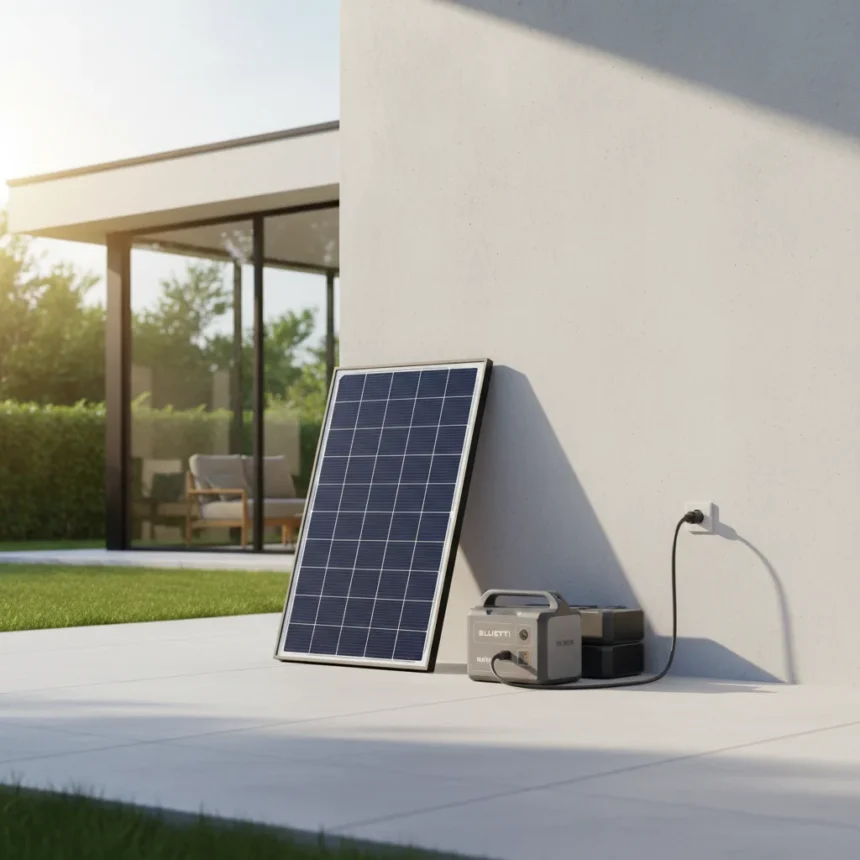
Bluetti’s new Balco plug-and-play home solar range represents a shift toward simplified residential solar installation. The launch signals the company’s ambition to make home solar power accessible to users who want renewable energy without hiring installers or managing complex electrical work. This article breaks down the six key takeaways from the Bluetti Balco launch that matter for homeowners considering solar solutions.
Key Takeaways
- Bluetti Balco is designed as a plug-and-play home solar system requiring minimal installation complexity
- The launch targets homeowners seeking accessible renewable energy solutions
- The Balco series emphasizes ease of use over professional installation requirements
- Plug-and-play solar addresses growing demand for simpler home power alternatives
- The product line represents Bluetti’s expansion into residential solar markets
What Plug-and-Play Home Solar Actually Means
Plug-and-play home solar refers to residential solar systems designed for rapid deployment without extensive professional installation. Unlike traditional rooftop solar requiring licensed electricians, structural assessments, and permit coordination, plug-and-play systems aim to reduce barriers to entry. Bluetti’s Balco range falls into this category, targeting homeowners who want solar functionality with minimal technical friction.
The simplicity claim matters because residential solar adoption has historically been hindered by installation complexity and cost. A system that reduces setup time and eliminates some professional requirements could appeal to renters, homeowners in areas with restrictive HOA rules, or those wanting to test solar before committing to permanent installation. The plug-and-play positioning suggests Bluetti is betting that ease matters more than maximum efficiency for a significant market segment.
Why Bluetti Chose the Balco Name for This Series
The Balco series branding signals Bluetti’s intent to establish a distinct product line separate from its existing portable power station portfolio. By creating a dedicated home solar range, Bluetti separates consumer expectations—portable power stations are temporary solutions, while Balco positions itself as a home energy product. This naming strategy helps the company appeal to homeowners rather than campers or emergency backup users.

The launch distinguishes Bluetti’s approach from competitors focused on portable solar or traditional rooftop systems. Rather than competing directly with Tesla Powerwall or Generac on installation complexity, Bluetti targets a middle ground: users who want home solar without hiring contractors. This positioning opens a market segment between DIY portable solar and premium professional installation.
The Timing of the Balco Launch
The timing of Bluetti’s Balco launch reflects broader momentum in residential renewable energy. As home electricity costs rise globally and grid reliability concerns persist, demand for alternative power sources has accelerated. The launch capitalizes on this trend by offering a product category—accessible plug-and-play home solar—that sits between premium installed systems and budget-conscious portable solutions.



Launching a plug-and-play home solar range now positions Bluetti ahead of market consolidation. As more manufacturers enter residential solar, differentiation through ease of use becomes a competitive advantage. The company is betting that homeowners value simplicity and quick deployment as much as raw power capacity or efficiency ratings.
What Makes Balco Different From Bluetti’s Existing Offerings
Bluetti’s existing product line centers on portable power stations—devices designed for travel, camping, and emergency backup. The Balco series pivots toward stationary home installation, targeting a fundamentally different use case. While portable power stations prioritize mobility and battery capacity, plug-and-play home solar emphasizes integration with household electrical systems and long-term energy generation.
This distinction matters because it expands Bluetti’s addressable market. Portable power station buyers are typically outdoor enthusiasts or emergency preparedness consumers. Home solar customers are homeowners optimizing daily energy costs. By launching Balco, Bluetti signals it is no longer just a portable power company—it is entering the residential energy market where margins and customer lifetime value are higher.
Key Questions About Plug-and-Play Home Solar Adoption
Will plug-and-play systems actually replace professional solar installation? Unlikely for most homeowners. Professional rooftop systems generate more power and integrate more smoothly with existing electrical infrastructure. However, plug-and-play systems could capture homeowners who want supplemental solar, renters unable to modify their homes, or early adopters testing solar before larger investments. The Balco launch succeeds if it captures this niche rather than displacing the entire rooftop solar market.



Does Balco work with existing home electrical systems?
The research brief does not specify Balco’s integration with standard home electrical panels, battery storage, or grid-tie capabilities. Plug-and-play systems typically require some electrical configuration, though less than professional installation. Prospective buyers should verify compatibility with their home’s electrical setup before purchase.
How does Bluetti’s Balco compare to other plug-and-play solar options?
The home solar market includes both portable solar panels and integrated plug-and-play systems from various manufacturers. Bluetti’s Balco differentiates through the company’s existing expertise in power management and battery systems. However, the research brief does not provide specific performance comparisons or pricing data to quantify how Balco stacks against direct competitors in this emerging category.
Bluetti’s Balco launch represents a calculated expansion into residential solar at a moment when homeowners increasingly seek alternatives to grid-only energy. The plug-and-play positioning acknowledges a real market gap: people who want solar power but lack the time, expertise, or home ownership status to pursue traditional installation. Whether Balco succeeds depends on execution—specifically whether the systems deliver on the simplicity promise without sacrificing reliability or power output. For now, the launch signals that Bluetti believes the future of home energy includes accessible, user-friendly solutions alongside premium professional systems.
Edited by the All Things Geek team.
Source: TechRadar