





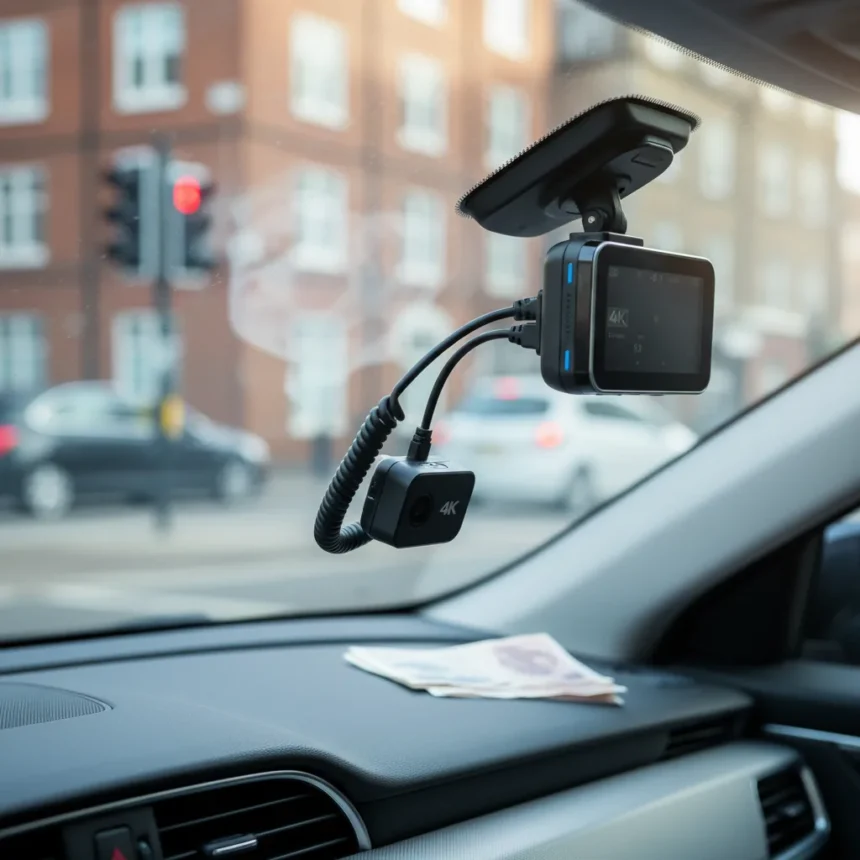
The budget 4K dash cam market has transformed. What once meant grainy footage and unreliable sensors now delivers clear video evidence at prices that won’t break the bank. A 4K dash cam set priced under £100 represents a genuine shift in what affordable car safety looks like, and the financial stakes justify the investment.
Key Takeaways
- 4K dash cam sets are now available for under £100, making accident documentation affordable.
- Dash cams provide evidence for insurance claims and disputes, potentially saving thousands of pounds.
- Budget dash cams now include better sensors and image quality than previous generations.
- The market has shifted toward midrange and budget options offering genuine value.
- Affordable dash cams can protect against false claims and reduce insurance friction.
Why Budget 4K Dash Cams Matter Now
Dash cams have become essential insurance tools, not luxuries. A budget 4K dash cam serves one critical purpose: documenting what actually happened during an accident or incident. That video evidence can be the difference between a claim accepted and a claim denied, between paying your excess and walking away clean. For drivers in congested urban areas or those with high insurance premiums, a sub-£100 investment that prevents a single false claim pays for itself instantly.
The timing matters. Dash cams are getting cheaper while simultaneously getting better. Improved sensors, better image processing, and more efficient manufacturing mean that today’s budget 4K models capture detail that premium models from five years ago couldn’t match. You’re not sacrificing video quality by choosing an affordable option—you’re just skipping the premium brand tax and unnecessary features.
What Makes a Budget 4K Dash Cam Worth Buying
A budget 4K dash cam under £100 needs to deliver on one metric: clear, usable footage in daylight and low-light conditions. That’s the core promise. The featured product in this category proves that 4K resolution at an accessible price point is no longer a contradiction.

Budget dash cams have historically struggled with nighttime performance and detail retention. Modern sensors have addressed this substantially. The market has consolidated around midrange and budget options that offer the strongest value, rather than pushing buyers toward premium tiers with features most drivers never use. Front and rear recording, GPS, Wi-Fi connectivity, and parking mode are no longer exclusive to expensive systems—they’re increasingly standard even in affordable bundles.
What you gain by choosing a budget option: lower cost, simpler setup, and fewer redundant features. What you don’t lose: the core function of recording clear accident footage that insurance companies and law enforcement can actually use.



Budget 4K Dash Cam vs. Premium Alternatives
Premium dash cam systems cost £300 to £800 and often bundle advanced features like cloud storage, AI-powered incident detection, and multi-camera networks. They’re built for fleet management companies and drivers who want integrated dashboards with smartphone apps and real-time alerts.
A budget 4K dash cam does one thing: record. It records in high resolution, stores files locally on a memory card, and provides footage you can hand to your insurer or police when needed. It doesn’t offer cloud backup or AI event detection, but it also doesn’t require a subscription service or complicated setup. For most individual drivers, that’s exactly what’s needed. The gap between a £99 4K system and a £500 premium system is not in video quality—it’s in convenience features that add cost without adding protection.
Competing budget options like the Piqo 2K and Miofive S1 Ultra occupy the same price tier. The advantage of choosing a 4K model over a 2K alternative is clearer detail, especially when zooming into license plates or facial features. That extra resolution can matter in disputes where footage clarity determines who’s at fault.
Real Savings: How a Dash Cam Protects Your Wallet
The £1,000s savings claim isn’t theoretical. A single accident where you’re wrongly blamed can cost you your insurance excess (typically £200-£500), a premium increase for years (adding £300-£1,000 annually), and potential legal fees. A dash cam that proves you weren’t at fault eliminates all three costs. Even if you only prevent one false claim in ten years of driving, the investment has paid for itself dozens of times over.



Beyond accidents, dash cams discourage hit-and-run drivers and provide evidence in parking lot incidents. They also protect against staged accidents, where drivers intentionally cause collisions to claim insurance money. In high-traffic areas, this risk is real. Insurance companies now recognize dash cam footage as legitimate evidence, and many have adjusted their claims processes to accept video documentation.
What to Look for in a Budget 4K Dash Cam
Resolution alone doesn’t guarantee usable footage. Look for systems that include a front camera with clear night vision capability and, ideally, a rear camera for comprehensive coverage. The featured sub-£100 option delivers both. Memory card compatibility and file management matter—you want a system that automatically overwrites old footage rather than stopping recording when the card fills up.
Storage capacity is practical: most dash cams record in a loop, continuously overwriting the oldest footage. A 64GB or 128GB memory card (often included with budget bundles) provides 8-24 hours of continuous recording depending on resolution and frame rate. That’s enough to capture most incidents and still retain footage from previous days.
Budget systems increasingly include basic features that were once premium-only: Wi-Fi for easy file transfer, GPS to log location data, and parking mode to record if someone hits your car while parked. None of these features are essential, but they add genuine value without inflating the price.
FAQ
Can a budget 4K dash cam actually save you money?
Yes. A single accident where dash cam footage proves you weren’t at fault can save you £500-£2,000 in excess fees, premium increases, and legal costs. The investment pays for itself with one successful claim.
Is 4K resolution necessary for a dash cam?
4K captures more detail than 1080p or 2K, particularly for license plates and identifying features. It’s worth the small premium over lower-resolution alternatives, especially if footage might be used as legal evidence.
What’s the difference between a budget dash cam and a premium system?
Premium systems offer cloud storage, AI event detection, smartphone integration, and advanced features. Budget 4K models focus on core recording quality and local storage, eliminating unnecessary costs without sacrificing video clarity.
A dash cam under £100 isn’t a compromise—it’s a smart choice for drivers who want accident protection without paying for features they’ll never use. The market has shifted decisively toward affordable options that deliver genuine value. If you’re still driving without one, the financial case for adding a budget 4K system to your car is stronger now than ever.
Where to Buy
Edited by the All Things Geek team.
Source: T3




