





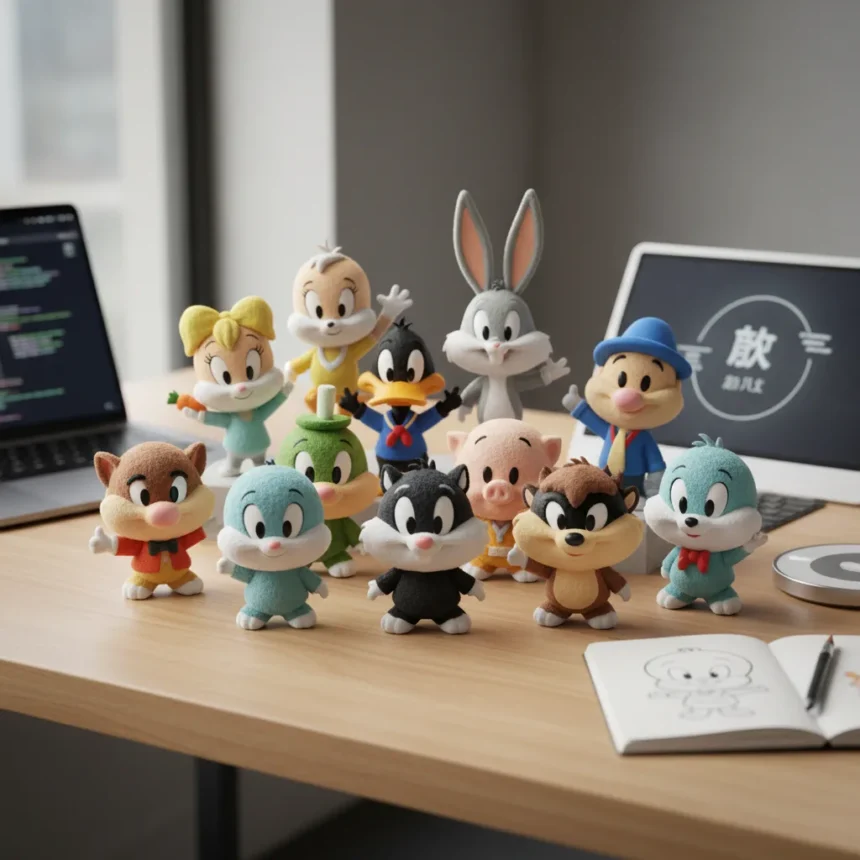
The Looney Tunes chibi redesign has ignited a fresh conversation about how Western animation icons translate into Japanese pop culture aesthetics. Japanese illustrator Keng0, known on Instagram as @keng0_illustration, reimagined 13 classic Warner Bros. characters in the chibi style—a distinctly Japanese approach featuring oversized heads, exaggerated proportions, and kawaii charm that has captivated fans globally.
Key Takeaways
- Japanese artist Keng0 redesigned 13 Looney Tunes characters in chibi anime style.
- Characters include Bugs Bunny, Daffy Duck, Porky Pig, Elmer Fudd, Yosemite Sam, Tweety Bird, Sylvester, Taz, Marvin the Martian, Foghorn Leghorn, Road Runner, Wile E. Coyote, and Speedy Gonzales.
- Artwork shared on Instagram gained viral attention for blending Western and Japanese animation traditions.
- Looney Tunes characters originally debuted from 1937 to 1950s, created by Warner Bros.
- Fan art is free to view on Instagram; no official Warner Bros. involvement confirmed.
The Looney Tunes Chibi Redesign Explained
The Looney Tunes chibi redesign transforms characters that debuted between 1937 and the 1950s—including Daffy Duck (1937) and Bugs Bunny (1940)—into chibi figures with the signature oversized heads and cute proportions that dominate contemporary Japanese anime and manga. Keng0’s interpretation strips away the original angular, slapstick energy of these characters and replaces it with round, soft features and exaggerated eyes typical of the kawaii aesthetic. This is not an official Warner Bros. project but rather fan art that has resonated with audiences who follow the illustrator on Instagram.
The chibi style itself originated in Japanese manga and anime culture as a way to depict characters in an intentionally cute, cartoonish form. By applying this lens to American cartoon icons, Keng0 creates a cultural intersection that feels both familiar and alien. Bugs Bunny becomes less wisecracking trickster and more adorable mascot. Daffy Duck’s chaotic energy translates into wide-eyed enthusiasm. The shift is subtle in concept but visually dramatic in execution.
Why This Fan Art Matters in Global Pop Culture
The viral success of the Looney Tunes chibi redesign reflects a broader trend: anime and Japanese pop culture have become the dominant visual language for character redesigns across the internet. When Western characters get reimagined, they increasingly receive the chibi treatment or full anime makeovers rather than the reverse. This signals a genuine shift in which aesthetic audiences find aspirational or appealing. The redesign is not controversial—it is celebratory, suggesting that these timeless characters remain flexible enough to survive translation into entirely different artistic traditions.

Other fan artists have attempted similar cultural fusions with Western properties, reimagining Disney characters in chibi style or applying anime aesthetics to classic cartoons. What distinguishes Keng0’s work is the scale of the project—13 characters redesigned with consistent visual language—and the specificity of execution. Each character retains recognizable traits while adopting chibi proportions. This balance between fidelity to the original and boldness of the new style is what generates engagement rather than dismissal.
The Original Looney Tunes Legacy
Understanding why this redesign resonates requires acknowledging what Looney Tunes represented. Created by Warner Bros., the franchise introduced characters across decades that defined mid-20th-century animation. Bugs Bunny arrived in 1940 as a confident, wisecracking protagonist. Daffy Duck preceded him in 1937 with anarchic, self-serving chaos. Porky Pig, Elmer Fudd, Yosemite Sam, Tweety Bird, Sylvester, Tasmanian Devil, Marvin the Martian, Foghorn Leghorn, Road Runner, Wile E. Coyote, and Speedy Gonzales followed, each filling specific comedic roles within a universe built on slapstick, wordplay, and physical gags.



These characters were designed for a specific era and aesthetic—hand-drawn animation, exaggerated movements, and humor rooted in American culture references. Yet they have proven durable enough to be licensed, rebooted, and reinterpreted countless times across decades. The Looney Tunes chibi redesign is simply the latest iteration in a long history of adaptation, proving these characters transcend their original context.
Fan Art vs. Official Redesigns
that the Looney Tunes chibi redesign exists purely as fan art on Instagram. Warner Bros. has not officially endorsed or collaborated with Keng0 on this project. This distinction matters because fan art operates in a different space than official corporate redesigns. Fan artists can take creative risks, experiment with aesthetics, and push characters in directions that studios might consider brand dilution. The freedom from corporate constraints allows for genuine artistic exploration.
When official redesigns happen—as they occasionally do with legacy properties—they typically involve market research, brand guidelines, and careful consideration of how changes might affect merchandise and licensing. Fan art skips all of that. It exists purely to delight, provoke, or celebrate. The Looney Tunes chibi redesign succeeds because it does exactly that without pretending to be anything other than what it is: an artist’s personal reinterpretation of beloved characters through a Japanese aesthetic lens.
Why Chibi Style Resonates with Global Audiences
Chibi has become a universal visual language because it transcends cultural boundaries. The style communicates cuteness, approachability, and humor without requiring deep knowledge of anime or Japanese culture. A character rendered in chibi proportions immediately feels less threatening, more playful. This is why the Looney Tunes chibi redesign works so effectively—it softens characters designed for slapstick violence and makes them feel huggable.



The global reach of anime and manga over the past two decades has normalized Japanese visual styles as legitimate artistic choices even for non-Japanese creators and audiences. A Western illustrator redesigning characters in chibi style would generate less surprise than it would have 15 years ago. The Looney Tunes chibi redesign benefits from this cultural moment, where Japanese aesthetics are not exotic but mainstream.
What Makes This Redesign Stand Out
Keng0’s execution demonstrates technical skill and thoughtful character translation. Rather than simply shrinking the original designs and adding big eyes, the artist reimagined each character’s personality through the chibi lens. Yosemite Sam’s aggression becomes fist-clenching indignation. Road Runner’s speed translates into dynamic posing. Marvin the Martian’s alien otherness survives the transition, rendered now as cute rather than menacing. This suggests the illustrator understood not just the visual DNA of these characters but their emotional cores.
Is This Official Warner Bros. Content?
No. The Looney Tunes chibi redesign is fan art created by independent illustrator Keng0 and shared on Instagram. Warner Bros. has not commissioned, endorsed, or officially released this project. It exists in the same space as millions of other fan artworks—created out of passion for the source material rather than corporate mandate.
Where Can You View the Looney Tunes Chibi Redesign?
The artwork is available on Instagram at @keng0_illustration. The illustrator has not mentioned official print releases or merchandise, though fan art often leads to community demand for products. Viewing the work requires an Instagram account or public access to the illustrator’s profile.
How Does This Compare to Other Character Redesigns?
Fan artists regularly reimagine Western properties through non-Western aesthetic lenses. Disney characters have received chibi treatments, anime adaptations, and steampunk makeovers by various creators. What distinguishes the Looney Tunes chibi redesign is the coherence of vision across 13 characters and the specificity of execution. Rather than a single character study, Keng0 created a complete visual ecosystem where all characters coexist in the same stylistic world. This makes the project feel less like isolated fan art and more like an alternate universe redesign.
The Looney Tunes chibi redesign ultimately succeeds because it respects its source material while refusing to be constrained by it. These characters have survived nearly a century of animation, licensing, and cultural shifts. A Japanese illustrator reimagining them in chibi style is not a threat to their legacy but an extension of it—proof that great character design transcends origin and remains alive in the hands of artists who love it.
Edited by the All Things Geek team.
Source: Creativebloq




