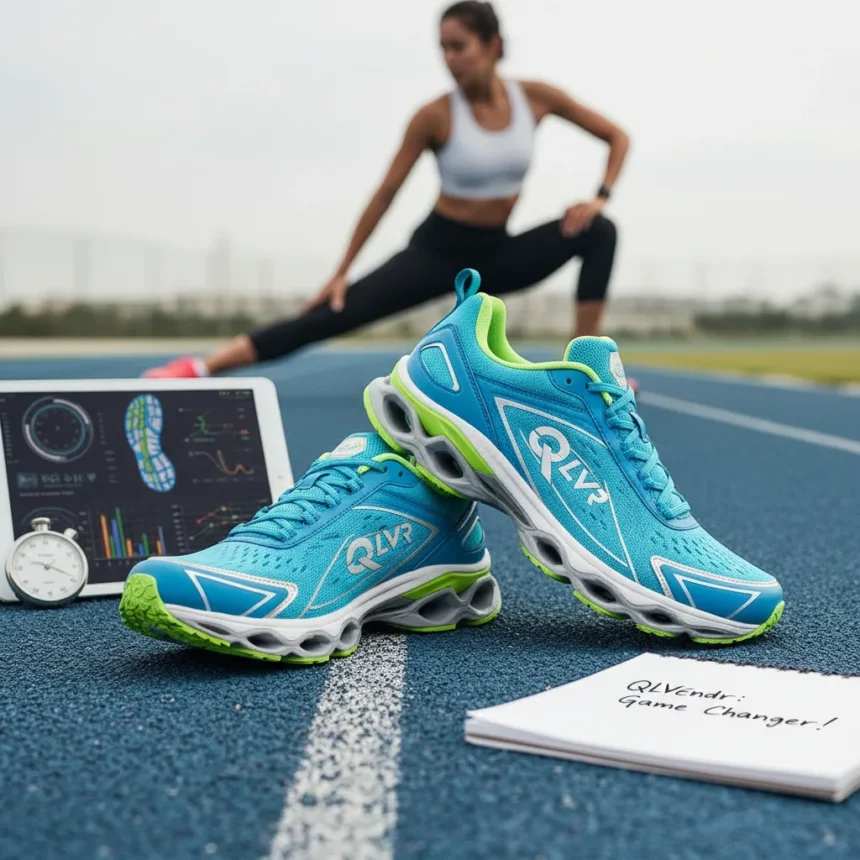
Women’s running shoes designed specifically for female anatomy represent a fundamental shift in how the running industry approaches fit and performance. A running coach recently tested the QLVR Endvr shoe, a specialist model built from the ground up for women’s feet, and found it transformed their understanding of what proper running footwear should feel like.
Key Takeaways
- Women’s feet have distinct anatomical differences from men’s feet that standard unisex shoes ignore.
- QLVR Endvr is engineered specifically for women’s foot structure and biomechanics.
- A running coach tested the shoe and called it a total game changer for female runners.
- Specialist women’s running shoes address fit issues that generic models cannot solve.
- Proper shoe design for women’s anatomy improves comfort and reduces injury risk.
Why Women’s Running Shoes Demand Different Design
Women’s feet are not simply smaller versions of men’s feet. The anatomical differences are structural and significant. Women typically have narrower heels, different arch heights, and distinct weight distribution patterns compared to men. When running shoes are designed as unisex products or adapted from men’s models, these differences get ignored, resulting in shoes that slip at the heel, lack proper arch support, or create pressure points during long runs. A one-size-fits-all approach fails both men and women—it just happens to fail women more obviously because the baseline design rarely accounts for female biomechanics.
The running industry has historically treated women’s shoes as an afterthought. Brands would take a men’s shoe, shrink it, and add a pastel color. This approach misses the entire point. Women need shoes engineered from the insole up to match their foot structure. The QLVR Endvr was built with this principle as its foundation, not as a secondary consideration.
QLVR Endvr: A Specialist Shoe Designed for Women’s Feet
The QLVR Endvr shoe represents what happens when a brand commits to building women’s running shoes as a primary product category, not a variant. A running coach who tested the shoe described it as shoes actually designed for women’s feet, calling the experience a total game changer. This is not marketing hyperbole—it reflects the reality of what happens when proper anatomical design meets actual running performance.

The shoe addresses the specific fit challenges women face with standard running footwear. Narrower heel cups prevent the slipping that plagues women runners in unisex shoes. Arch support is calibrated for female foot structure rather than borrowed from men’s designs. The overall geometry prioritizes the biomechanical realities of how women’s feet strike the ground and distribute impact. These are not minor tweaks. They are foundational design choices that change how the shoe performs across a run.
How Specialist Design Compares to Unisex Running Shoes
Unisex running shoes exist because they are cheaper to produce and easier to market. One design, two sizing ranges, one supply chain. The trade-off is fit and performance, particularly for women. A woman wearing a unisex shoe designed primarily around men’s foot structure will experience heel slippage, inadequate arch support, or pressure points that a man in the same shoe size might never notice. Over the course of a training season, these minor discomforts accumulate into injury risk.



Specialist women’s running shoes like the QLVR Endvr eliminate this compromise. They cost more to develop because they require separate tooling, testing, and supply chains. But they deliver what unisex products cannot: a shoe that actually fits women’s feet and responds to women’s biomechanics. A running coach’s assessment that the QLVR Endvr is a game changer reflects this reality. The shoe works better because it was built for the people who will wear it.
What Makes Women-Specific Running Shoes Worth the Investment
The primary argument against women-specific running shoes is cost. Specialist products command higher prices than mass-market unisex alternatives. But this calculation ignores the true cost of poor fit: increased injury risk, reduced performance, and the need to replace shoes more frequently because they wear unevenly due to improper fit. A woman who finds a running shoe that actually fits her feet will run more miles in that shoe, experience fewer injuries, and ultimately spend less money on footwear over time.
Beyond economics, there is the simple matter of comfort and confidence. Running is demanding. The last thing a runner needs is equipment that fights against their body instead of supporting it. Women’s running shoes designed for women’s anatomy remove that friction. They let runners focus on training, not on managing the distraction of a shoe that does not fit properly.
Are Women’s Running Shoes Worth Buying?
If you are a woman runner currently wearing unisex shoes or men’s shoes adapted to women’s sizes, switching to a specialist women’s running shoe like the QLVR Endvr will likely improve your experience. The anatomical differences are real, and shoes designed to address them perform noticeably better. A running coach’s assessment that the QLVR Endvr is a total game changer reflects genuine performance gains, not marketing language.



How Do Women’s Running Shoes Differ Anatomically from Men’s?
Women’s running shoes differ in heel width, arch support, and overall foot geometry. Women typically have narrower heels and different arch structures than men, which requires different shoe construction. A specialist women’s shoe like the QLVR Endvr accounts for these differences in its design, whereas unisex shoes compromise between two different foot structures and satisfy neither.
Can Women Wear Men’s Running Shoes?
Women can wear men’s running shoes, but they will experience fit issues that reduce comfort and increase injury risk. Men’s shoes have wider heels and different arch support profiles. A woman wearing a men’s shoe will typically experience heel slippage and inadequate arch support, even when sizing down. Specialist women’s running shoes eliminate these problems by designing specifically for women’s foot structure.
The running industry’s shift toward specialist women’s shoes like the QLVR Endvr signals a long-overdue recognition that women deserve footwear engineered for their bodies, not borrowed from men’s designs. A running coach’s testing confirms what female runners have known for years: when a shoe is actually designed for women’s feet, it changes everything.
Edited by the All Things Geek team.
Source: TechRadar