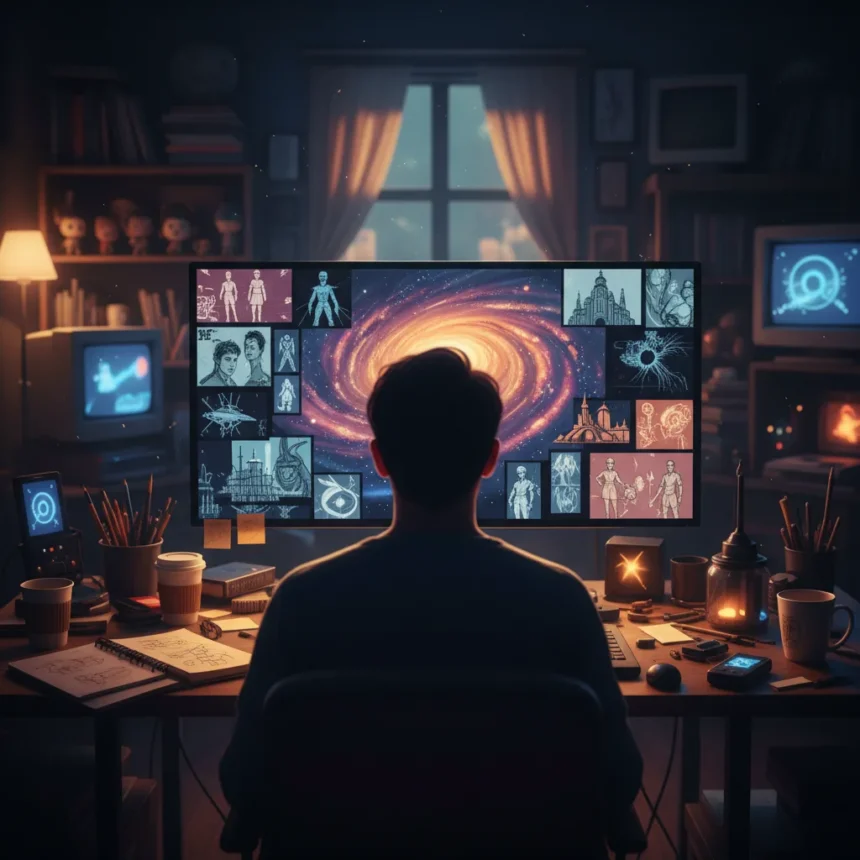
Tumblr’s concept art archives represent something increasingly rare on the modern internet: a genuinely uncurated space where creative work accumulates without algorithmic curation or commercial pressure. Unlike the polished feeds of Instagram, ArtStation, or TikTok, these archives feel like stumbling into someone’s unfiltered creative vault—messy, unranked, and deeply inspiring.
Key Takeaways
- Tumblr’s concept art archives offer uncurated creative inspiration absent from algorithmic platforms.
- The platform’s lack of curation creates serendipitous discovery experiences unavailable elsewhere.
- Older, less-polished corners of the internet retain creative value despite algorithmic dominance.
- Concept artists and digital creators continue returning to Tumblr for reference and inspiration.
- The rediscovery of Tumblr highlights fatigue with highly curated, performance-driven creative feeds.
Why Tumblr’s Concept Art Archives Feel Different
The concept art archives on Tumblr exist in stark contrast to the algorithmic feeds that dominate creative platforms today. Instagram prioritizes engagement metrics. TikTok optimizes for watch time. ArtStation ranks work by popularity and follower count. Tumblr’s archives, by comparison, remain a flat landscape where a piece from 2012 sits beside yesterday’s upload with equal visibility. There’s no algorithm deciding what deserves prominence. No trending tab reshaping what you see. Just layers of creative work accumulated over more than a decade, waiting to be rediscovered.
This absence of curation is precisely what makes the platform valuable. When you search for concept art on Tumblr—whether it’s character design, environment work, or visual development—you encounter raw material. Unpolished sketches sit beside finished pieces. Rejected ideas exist alongside published work. You see the thinking process, not just the final product. That transparency, that willingness to show imperfection, is what algorithmic platforms have systematically removed in favor of highlight-reel aesthetics.
The Serendipity Factor in Uncurated Spaces
Algorithmic feeds promise personalization. They claim to show you exactly what you want to see. But personalization creates filter bubbles. You see more of what you already liked, reinforcing existing tastes rather than expanding them. Tumblr’s concept art archives work differently. You set out looking for character design and stumble onto environmental concept work that shifts your entire approach. You find a forgotten artist whose style reshapes how you think about composition. You discover techniques you didn’t know you needed.

This serendipitous discovery is harder to manufacture on platforms built around engagement optimization. When every post competes for attention through likes, shares, and algorithmic amplification, the stakes change. Creators optimize for virality. Platforms amplify what performs. The result is a narrowing of what gets seen, a homogenization of aesthetic choices. Tumblr’s archives bypass that pressure entirely. Work survives or disappears based on whether someone actually seeks it out, not whether it triggers dopamine responses at scale.
Tumblr Concept Art Archives vs. Curated Platforms
The distinction between Tumblr and modern curated platforms extends beyond algorithm versus no algorithm. It’s about the fundamental purpose each platform serves. ArtStation positions itself as a professional portfolio site, optimized for job applications and client presentations. Instagram treats art as content, subject to the same engagement mechanics as food photography and fitness influencers. Pinterest gamifies discovery through pins and boards, turning inspiration into a collection game. Tumblr, by contrast, simply accumulated creative work without prescribing how it should be valued or consumed.



That lack of prescription is liberating for both creators and viewers. Artists post without worrying whether their work fits trending aesthetics. Viewers browse without the pressure of engagement metrics shaping their perception. The platform became a repository rather than a performance stage. And repositories, by their nature, preserve things that wouldn’t survive in competitive environments. Experimental work. Niche styles. Failed ideas that taught valuable lessons. The concept art archives contain creative history that algorithmic platforms would have discarded as unprofitable.
Why Creators Return to Forgotten Archives
The renewed interest in Tumblr’s concept art archives reflects broader fatigue with algorithmic curation. Designers and illustrators who built their skills before Instagram’s dominance remember what uncurated inspiration felt like. Younger creators, overwhelmed by the performance pressure of contemporary platforms, discover that older corners of the internet offer something different: permission to explore without optimizing. The archives don’t ask what will get likes. They simply show what was made.
This rediscovery matters because it challenges the assumption that newer platforms are always better. Tumblr’s archives prove that value can persist in places the algorithm has forgotten. A piece from 2014 can still teach you something about lighting. A rejected character design from 2010 can still spark an idea. The work doesn’t degrade because it’s old or unpopular. It simply waits for someone curious enough to find it. In an era where everything is optimized for immediate consumption, that patience feels radical.
Is Tumblr still relevant for concept artists?
Yes. Despite declining mainstream visibility, Tumblr’s concept art archives remain a valuable resource for artists seeking uncurated inspiration and historical reference material. The platform’s lack of algorithmic curation means work survives based on genuine creative merit rather than engagement metrics, making it uniquely useful for studying technique and exploring diverse artistic approaches.



How do I find concept art on Tumblr?
Search for tags like #concept art, #character design, #environment concept, or #visual development. Tumblr’s tag system is straightforward—type a tag and browse chronologically. You can also follow individual artists or explore reblog chains to discover related work. The lack of algorithmic sorting means you’ll see both recent and archived posts together, creating genuine serendipitous discovery.
What makes Tumblr different from ArtStation or Instagram for concept art?
Tumblr prioritizes no one’s work through algorithmic amplification. ArtStation and Instagram rank pieces by engagement, follower count, and trending status, which can limit visibility for experimental or niche work. Tumblr’s flat archive structure treats all work equally, preserving creative diversity that performance-driven platforms actively filter out. This makes Tumblr better for research and inspiration, though worse for building a professional portfolio or audience.
The real lesson of Tumblr’s concept art archives is that the internet’s most valuable spaces aren’t always the newest or most popular. They’re the ones that prioritize preservation over performance, exploration over optimization. In a media landscape obsessed with what’s trending now, these forgotten archives remind us that creative value persists quietly in places the algorithm never learned to look. For anyone tired of curated feeds, they’re worth revisiting.
Edited by the All Things Geek team.
Source: Creativebloq