





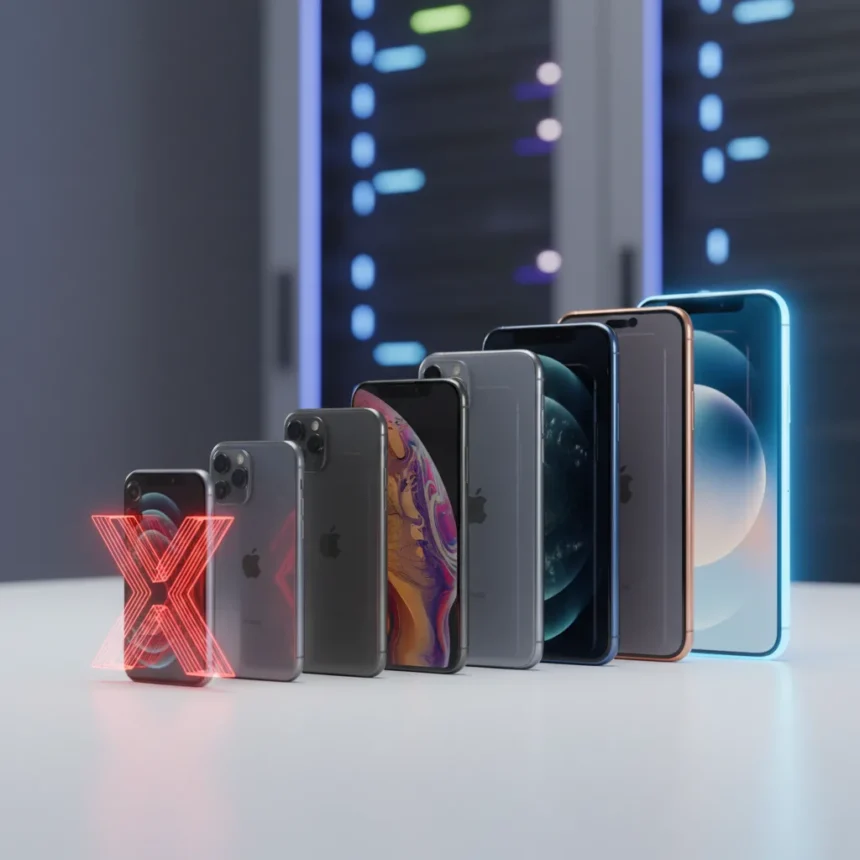
iOS 27 compatibility has become a growing concern for iPhone owners as Apple prepares its next major software cycle. Unlike every iOS release before it, iOS 27 is expected to exclude support for certain older iPhone models, marking a significant shift in Apple’s upgrade strategy. The question is not whether older iPhones will be dropped—but which ones.
Key Takeaways
- iOS 27 is expected to arrive alongside the iPhone 18 series in September 2025
- Apple is predicted to drop support for some older iPhone models for the first time in years
- iOS 27 compatibility decisions are tied to new AI-related features and hardware capabilities
- The exclusion is a prediction based on Apple’s software strategy, not an official announcement
- Users of unsupported devices should begin considering upgrade timelines now
Why iOS 27 Compatibility Matters Right Now
iOS 27 compatibility is shaping up to be the most restrictive iOS release in recent memory. Apple is under pressure to deliver substantial software features, particularly AI-related capabilities that may require newer hardware to function reliably. This technical reality is forcing Apple’s hand: supporting a broader range of devices would dilute performance and complicate feature rollout. The decision to narrow iOS 27 compatibility reflects a deliberate pivot away from Apple’s traditional approach of supporting devices for five to six years.
The timing is critical because iOS 27 is expected to debut at WWDC in June and arrive with the iPhone 18 series in September. This tight coupling between hardware and software means iOS 27 compatibility will be defined by what the new iPhones can do, not by what older devices might theoretically manage. Owners of phones currently on iOS 26 should start thinking about their upgrade strategy sooner rather than later.
Which iPhone Models Face iOS 27 Compatibility Issues
The specific iPhone models expected to be excluded from iOS 27 compatibility have not been officially confirmed by Apple. However, based on historical patterns and the scope of anticipated features, older iPhone models—particularly those from the iPhone XS era and earlier—are considered at risk. The article predicting these exclusions frames them as educated forecasts rather than confirmed information, since Apple has not yet published an official iOS 27 compatibility list.


What makes this different from past iOS releases is the aggressive feature set tied to iOS 27. Apple’s focus on AI capabilities means iOS 27 compatibility will likely require newer processors and more RAM than previous software generations demanded. Devices that Apple supported through iOS 26 may not clear the bar for iOS 27. This represents a meaningful departure from Apple’s historical willingness to extend software support across a wider range of hardware.
iOS 27 Compatibility vs. Previous iOS Releases
Historically, Apple has supported iPhones for roughly five to six years of major OS updates. iOS 27 compatibility appears to break that pattern by being more selective about which devices qualify. Previous iOS releases—iOS 25, iOS 26, and earlier—maintained broader device support, allowing even older iPhones to receive major updates. The shift toward tighter iOS 27 compatibility reflects Apple’s need to optimize performance and deliver latest features without compromise.



The broader ecosystem context matters here. Apple is positioning iOS 27 not just as an incremental update but as a generational leap tied to new hardware capabilities and AI-driven features. This is fundamentally different from past releases, which were designed to work across a spectrum of devices. iOS 27 compatibility will be defined by capability, not just backwards compatibility.
What to Do If Your iPhone Faces iOS 27 Compatibility Exclusion
If your iPhone is among those predicted to lose iOS 27 compatibility, you have options. First, verify whether your device will actually be excluded once Apple makes its official announcement—the current predictions are educated guesses, not confirmed facts. Second, assess whether you truly need iOS 27 features. Many users find their current iPhones perfectly functional on existing iOS versions, even if they stop receiving major updates.
Third, consider your upgrade timeline. If you own an iPhone that faces potential iOS 27 compatibility cutoff, upgrading sooner gives you more runway with the new software and features. The iPhone 18 series is expected to launch in September alongside iOS 27, making it the natural starting point for devices guaranteed full iOS 27 compatibility. Budget-conscious users should weigh the cost of upgrading now against the cost of using older hardware without access to future features and security updates.
When Will Apple Confirm iOS 27 Compatibility?
Apple typically announces iOS compatibility details at WWDC, which is expected to happen in June. At that event, Apple will reveal which iPhone models qualify for iOS 27 and which do not. Until then, all exclusion predictions—including those from Tom’s Guide—remain forecasts based on historical patterns and expected feature requirements, not official statements. Mark your calendar for WWDC to get the definitive answer.



Should I upgrade my iPhone before iOS 27 launches?
Whether to upgrade depends on your device’s age and your budget. If your current iPhone is four years old or older, upgrading before iOS 27 arrives is a reasonable hedge against compatibility issues. If your phone is newer, wait for Apple’s official iOS 27 compatibility announcement before making a decision. There is no need to rush unless you are certain your device will be excluded.
Will older iPhones still get security updates if they can’t run iOS 27?
Apple typically provides security updates for older iOS versions even after a new major release arrives. However, security support timelines vary, and older devices eventually fall out of support entirely. If iOS 27 compatibility is denied to your device, plan for a limited window of continued security patches before support ends completely.
Can I manually install iOS 27 on an unsupported iPhone?
No. Apple’s iOS installation system checks device compatibility before allowing any update to proceed. If your iPhone is not on Apple’s official iOS 27 compatibility list, you will not be able to install it, regardless of storage space or manual workarounds. iOS 27 compatibility is enforced at the system level.
The iOS 27 compatibility question is not just about software—it reflects Apple’s broader strategy of tightening the relationship between hardware and software. Older devices will eventually be left behind, and iOS 27 appears to be the moment when that happens for a significant chunk of the installed base. Start planning your upgrade path now, and wait for Apple’s official announcement in June to confirm which devices will actually be affected.
Edited by the All Things Geek team.
Source: Tom's Guide




