




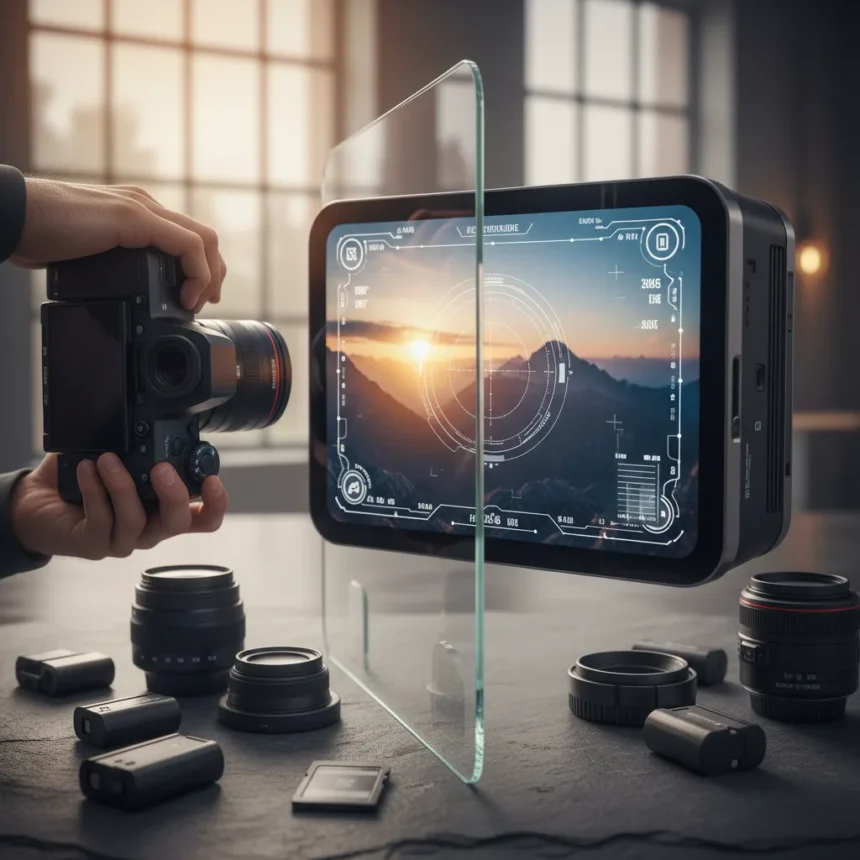
Screen-only cameras represent a fundamental shift in how manufacturers design modern photography tools, yet the trend has ignited fierce debate among photographers about whether removing the viewfinder altogether is progress or a step backward. TechRadar recently polled readers on this exact question—would you buy a camera without a viewfinder?—and the responses reveal a profession genuinely divided on the future of the medium.
Key Takeaways
- Screen-only cameras remove traditional viewfinders entirely, relying solely on LCD displays for composition and framing.
- Optical viewfinders offer superior outdoor visibility, battery efficiency, and stability but can obstruct peripheral vision.
- Electronic viewfinders provide exposure preview and low-light compensation but risk eye strain during extended shooting sessions.
- LCD screens enable flexible angling, better awareness of surroundings, and collaborative framing for portrait and wedding work.
- Reader opinion splits between those embracing screen-only design and purists unwilling to abandon the viewfinder experience.
Why the viewfinder debate matters right now
The rise of screen-only cameras reflects a larger industry trend toward LCD-centric design, driven partly by smartphone habits and the success of mirrorless systems. Manufacturers are testing whether photographers will accept viewfinder removal if it simplifies design, reduces costs, or enables new form factors. Yet the question is not merely technical—it cuts to how photographers actually work, what they value in their tools, and whether convenience outweighs ergonomic and practical concerns.
TechRadar’s reader poll tapped into genuine friction in the market. Some photographers see screen-only cameras as the inevitable future, aligning with how younger creators already compose on phones. Others view the removal as a dealbreaker, arguing that a viewfinder is irreplaceable for stability, outdoor work, and the immersive focus it provides during critical moments. Neither camp is wrong—they simply prioritize different aspects of the shooting experience.
The case for keeping the viewfinder
Optical viewfinders deliver advantages that LCD screens cannot replicate. They offer superior visibility in bright sunlight, where even the brightest LCD screens wash out or become difficult to read. They consume no battery power, making them ideal for photographers on long assignments. And they provide an immersive, direct view of the scene that many photographers find essential for composition and connection to their subject.


Electronic viewfinders address some of these limitations by showing exposure preview, white balance adjustments, and low-light compensation in real time—a genuine advantage for exposure metering. However, electronic viewfinders can cause eye strain during extended shooting sessions, and they introduce lag or refresh rate issues in some lighting conditions. For photographers shooting fast-moving subjects or working in unpredictable light, the viewfinder’s stability and responsiveness remain unmatched.
Ergonomics matter more than manufacturers often admit. A viewfinder allows photographers to brace the camera against their face, stabilizing longer lenses and reducing shake. Eyeglasses wearers often struggle with viewfinder design, and taller photographers sometimes find the viewing angle uncomfortable. Yet for those who rely on the viewfinder—professionals shooting events, wildlife, or sports—removing it entirely is not an option worth considering.



Why screen-only cameras appeal to modern photographers
LCD screens offer flexibility that viewfinders cannot match. They enable photographers to shoot from unusual angles, compose overhead or at waist level, and frame shots without pressing the camera to their face. For portrait and wedding photographers, an articulating or tilted screen facilitates team viewing, allowing clients or assistants to see the composition in real time. In crowded environments, an LCD screen lets photographers maintain awareness of their surroundings rather than becoming isolated behind the camera.
The smartphone generation has normalized screen-based composition. Younger photographers often feel more comfortable framing on a display than squinting through a viewfinder. Screen-only cameras align this workflow with how millions already create images daily, removing friction for creators transitioning from phones to dedicated cameras. For casual and semi-professional work, the flexibility and approachability of an LCD screen outweigh the stability benefits of a viewfinder.
Leica-style rangefinder viewfinders offer a middle ground, allowing wider scene awareness while maintaining the optical viewfinder’s directness. However, true screen-only designs abandon this compromise entirely, betting that LCD convenience will win out over traditional ergonomics and optical purity.
What readers actually said about screen-only cameras
TechRadar’s poll captured the genuine split in photographer preferences. Some readers stated they would never buy a camera without a viewfinder, viewing it as a non-negotiable feature that defines the shooting experience. Others expressed openness to screen-only designs if the LCD implementation was robust—bright, responsive, and positioned ergonomically. A third group reported using screens and viewfinders interchangeably depending on the assignment, suggesting the future may not be either-or but rather a choice left to the photographer.


The debate extends beyond personal preference into practical concerns. Professional photographers worry that manufacturers will eliminate viewfinders to cut costs while charging premium prices, leaving professionals without a choice. Casual photographers expressed less concern, noting that they already compose primarily on screens and see no reason to pay for a viewfinder they do not use. This divide suggests that the industry may eventually fragment, with professional and enthusiast models retaining viewfinders while entry-level and lifestyle cameras go screen-only.
What happens next in camera design
Screen-only cameras will likely proliferate as manufacturers test market acceptance and explore cost savings. Smartphone influence is undeniable—entire generations of creators are growing up without the expectation of a viewfinder. Yet the professional and enthusiast segments remain skeptical, and removing the viewfinder entirely risks alienating photographers who depend on it for stability, battery life, and outdoor visibility.
The most realistic outcome is segmentation. Flagship and professional models will retain viewfinders as a differentiator and a genuine ergonomic asset. Mid-range cameras may offer both options, letting photographers choose. Entry-level and lifestyle cameras will increasingly go screen-only, targeting creators who view the camera as an extension of their phone rather than a fundamentally different tool. This approach preserves choice while acknowledging that different photographers have different needs.
Is a screen-only camera right for you?
If you shoot portraits, weddings, or collaborative work where others need to see your composition, a screen-only camera offers real advantages. If you shoot outdoors in bright sunlight, fast-moving subjects, or work on extended assignments where battery life matters, you likely need a viewfinder. If you compose primarily on screens already and value flexibility and ergonomic variety, screen-only design may feel natural. The honest answer is that no single camera design suits every photographer, and manufacturers should resist the temptation to eliminate choice in pursuit of cost reduction.
Do professional photographers prefer viewfinders over screens?
Professional photographers remain divided, though many still prefer viewfinders for stability, outdoor visibility, and the immersive focus they provide during critical moments. However, some professionals have adapted to screen-only or screen-primary workflows, particularly in genres like portraiture and weddings where the flexibility of an articulating display outweighs viewfinder benefits. The preference depends more on shooting style than professional status.
Can you add a viewfinder to a screen-only camera?
Most screen-only cameras do not offer external viewfinder attachments, though some manufacturers have explored clip-on or accessory viewfinders in the past. The decision to go screen-only is typically baked into the camera’s design, making retrofit viewfinders impractical or expensive. This underscores why the viewfinder question matters at purchase time—it is not a feature you can easily add later if you change your mind.
The viewfinder debate will persist as long as photographers have different priorities and work styles. Screen-only cameras represent a legitimate design choice for some use cases, but they are not universally superior to traditional viewfinders. The healthiest path forward is preserving choice, ensuring that photographers can select tools matched to their actual needs rather than forcing everyone into a single design philosophy.
This article was written with AI assistance and editorially reviewed.
Source: TechRadar