


KitchenAid automatic espresso machines have arrived with a deliberate focus on what modern coffee drinkers actually want: iced coffee at home without the fuss. The company’s new lineup comprises three fully automatic models—the KF6, KF7, and KF8—each designed to eliminate the learning curve of traditional espresso preparation. Rather than forcing home baristas into manual grinding, tamping, and timing, these machines handle everything automatically, from bean hopper to cup.
Key Takeaways
- Three fully automatic models: KF6 (entry-level), KF7 (mid-range with touchscreen), KF8 (premium with 40+ options)
- KF8 includes plant-based milk mode for almond, oat, and soy alternatives
- Up to 40 coffee options including espresso, Americano, latte, and cappuccino variants
- Personalized shortcuts let users save favorite strength, temperature, and milk preferences
- KF7 priced at $1,699.99 USD; KF8 at £1,899 in the UK
Why KitchenAid automatic espresso machines stand out for iced coffee drinkers
The three models in this KitchenAid automatic espresso machines lineup share a core strength: they eliminate the gatekeeping that surrounds espresso preparation. Traditional semi-automatic machines demand skill—you grind, tamp, pull a shot, and hope for the best. These fully automatic units do the work. The integrated conical stainless steel burr grinder grinds beans on demand, and the 15-bar pump delivers consistent pressure. For iced coffee specifically, this matters. Cold extraction requires precision that most home users simply cannot achieve with manual methods.
The KF7 sits at the middle of the range with a 3.5-inch touchscreen, 20+ drink options, and room for four personalized favorites. Its 2.2-liter water reservoir handles multiple drinks before refilling, and the cappuccinatore milk frother heats and froths automatically. The KF8 doubles down with a larger 5-inch color touchscreen, 40+ options, and support for six personalized shortcuts. More importantly, the KF8 adds a plant-based milk mode—a feature that acknowledges the shift away from dairy. Almond, oat, and soy milk require different heating and frothing parameters than whole milk, and having a dedicated mode means better results without manual adjustment.
KitchenAid positions these machines as barista-quality alternatives for busy mornings, and the positioning rings true. You wake up, tap a button for your saved favorite, and walk away with a café-standard drink. No grinding by hand. No guessing whether your tamp pressure is right. No burnt espresso because you left the shot pulling too long.


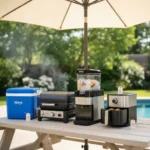
KitchenAid automatic espresso machines versus traditional semi-automatic options
The contrast here is worth stating plainly: semi-automatic machines like KitchenAid’s earlier Artisan 5KES6503 model put the work on you. You control grind size, tamp pressure, and shot time. That appeals to enthusiasts who enjoy the ritual, but it is a barrier for everyone else. KitchenAid automatic espresso machines remove that barrier entirely. The KF7 and KF8 make the same decision for you—and they make it well, consistently, across dozens of drink variations.
The trade-off is control. Espresso purists will argue that full automation limits customization. But for the audience KitchenAid is targeting—people who want excellent iced coffee without becoming amateur engineers—the automatic approach wins. The dual-drink function on the KF7 lets you make two non-milk beverages simultaneously, which matters for households with multiple coffee drinkers.



What’s inside KitchenAid automatic espresso machines: specs that matter
The KF7 arrives with a 9.5-ounce bean hopper, a removable design that makes refilling and cleaning straightforward. The 1450-watt heating element reaches temperature quickly, and the 1-boiler system keeps things simple without sacrificing capability. Weight-wise, at 28 pounds, the KF7 is substantial enough to feel durable but not so heavy that repositioning it on a counter becomes a chore. Dimensions run 14.3 by 10.2 by 18.5 inches, which fits most kitchen layouts without dominating the space.
The KF8 scales these specs upward. More touchscreen real estate, more drink options, the plant-based milk mode—these are the hardware-level differences. Color options across the range include Stainless Steel, Cast Iron Black, Porcelain White, and Juniper, giving buyers aesthetic choice without sacrificing the modern appliance look.
Each machine ships with essentials: a user manual, coffee scoop, cleaning tablets, water hardness test strip, and a water filter. The 1-year warranty covers manufacturing defects. This is practical equipment, not fashion, and KitchenAid’s packaging reflects that.
Availability and pricing for KitchenAid automatic espresso machines
The KF7 retails for $1,699.99 in the United States. The KF8 carries an RRP of £1,899 in the UK. Both are available now to order directly through KitchenAid’s regional websites—kitchenaid.com for US customers, kitchenaid.co.uk for the UK. Color and accessory options are included at these prices, with no additional charges for selecting Juniper or Porcelain White over the standard Stainless Steel.



The KF6, positioned as the entry-level option, uses a 2.4-inch color display and 15 drink options, though specific pricing and regional availability details remain limited in current product information.
Should you buy KitchenAid automatic espresso machines?
Buy if you drink iced coffee regularly and value consistency over customization. Buy if mornings are rushed and you want café-quality results without learning espresso technique. The KF7 is the sensible choice—enough features to justify the price, enough simplicity to avoid overwhelming new users. The KF8 makes sense if you use plant-based milk or share your machine with multiple household members who have different preferences.
Skip if you are an espresso enthusiast who enjoys manual control. Skip if your kitchen counter space is genuinely limited—these are not compact machines. Skip if you want to avoid the premium price tag and do not mind a semi-automatic workflow.
Do KitchenAid automatic espresso machines require special maintenance?
The machines include cleaning tablets and a water filter in the box, signaling that regular maintenance is expected. The removable bean hopper and milk frother are designed for easy access and cleaning. Water hardness test strips let you monitor mineral buildup and adjust filter replacement timing. This is standard for super-automatic machines—not a burden, but not passive ownership either.
What makes the KF8 different from the KF7?
The KF8 adds a larger touchscreen (5 inches versus 3.5 inches), doubles the drink options (40+ versus 20+), supports six personalized shortcuts instead of four, and includes a dedicated plant-based milk mode. If you use alternative milks or want maximum customization options, the KF8’s extra features justify the higher price. Otherwise, the KF7 delivers most of the benefit at lower cost.
KitchenAid automatic espresso machines represent a genuine shift in the brand’s approach to home coffee. Rather than chasing the manual espresso crowd, the company is betting on people who want results without ritual. For iced coffee drinkers tired of mediocre cold brews or inconsistent café runs, that bet is worth taking seriously.
Edited by the All Things Geek team.
Source: TechRadar