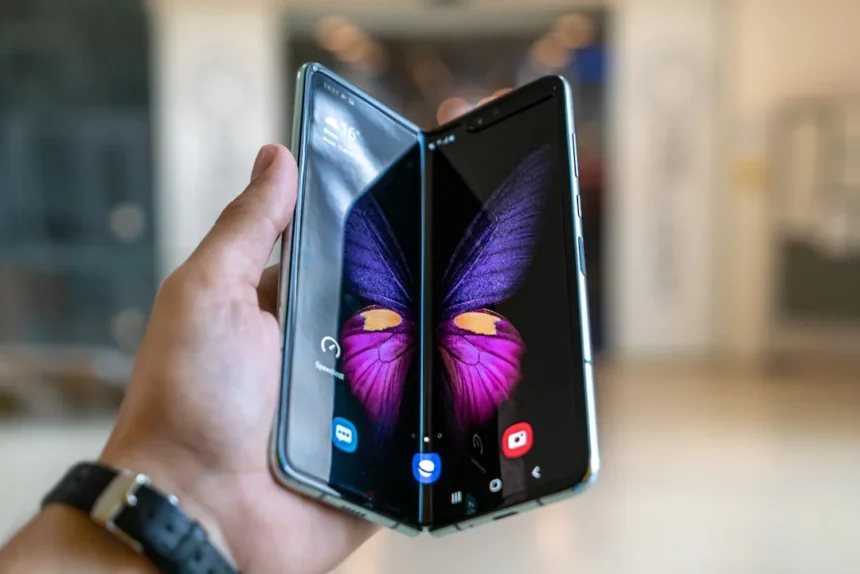
The Galaxy Z Fold 8 has been spotted in the real world with a markedly wider design that departs from Samsung’s traditional tall-and-narrow foldable format. The reported passport-shaped proportions signal that Samsung may be fundamentally rethinking how it approaches the next generation of foldable phones, potentially to compete more directly with Apple’s anticipated iPhone Fold entry.
Key Takeaways
- The Galaxy Z Fold 8 has been sighted with a wider, passport-shaped design rather than Samsung’s usual tall format
- The wider form factor suggests Samsung is shifting its foldable strategy ahead of the iPhone Fold launch
- Real-world sightings typically indicate a product is nearing launch, though Samsung has not yet confirmed timing
- The design change could make Samsung’s foldable more accessible to mainstream users accustomed to traditional phone proportions
- No official pricing or exact launch date has been announced by Samsung
What the Galaxy Z Fold 8 design shift means
Samsung’s reported move toward a wider foldable format breaks sharply with the Galaxy Z Fold 7 and earlier models, which prioritized a tall, narrow unfolded display. The passport-shaped design appears intended to create a more balanced, pocketable device when folded—closer to the proportions of a standard smartphone. This is not a minor ergonomic tweak; it represents a deliberate architectural choice that could reshape how consumers perceive foldable phones.
The timing of these real-world sightings matters. When prototypes appear in the wild, it usually means Samsung is in final stages of manufacturing and distribution planning. Such leaks often precede official announcements by weeks or months, suggesting the Galaxy Z Fold 8 could be closer to launch than previously expected.
Galaxy Z Fold 8 versus iPhone Fold competition
Apple’s entry into the foldable market has loomed as an existential threat to Samsung’s foldable dominance. The iPhone Fold is widely anticipated but has not yet been officially announced or demonstrated. Samsung’s reported design pivot—moving toward a wider, more mainstream-friendly form factor—appears to be a preemptive competitive move. By adopting proportions that feel less alien to traditional smartphone users, Samsung may be trying to capture market share before Apple establishes a foldable standard.


Samsung has spent years refining the tall-narrow format with the Z Fold series. Abandoning that approach for the Galaxy Z Fold 8 signals confidence that the new shape will be superior, or at least more commercially viable. Whether this wider design will actually outsell the iPhone Fold remains speculation—but the real-world sightings confirm that Samsung is not waiting passively for Apple’s move.
Why real-world sightings matter for product launches
Prototype sightings are one of the strongest indicators that a device is in final production stages. When a Galaxy Z Fold 8 unit is spotted by consumers or leakers in public, it suggests that Samsung has moved beyond internal testing and is likely conducting field trials or allowing units into the supply chain. This activity typically precedes a formal announcement by several weeks.


However, the absence of an official Samsung statement means details remain unconfirmed. The wider design, the exact specifications, and the launch timeline are all based on these real-world sightings rather than Samsung’s own disclosures. Enthusiasts should treat these reports as strong signals, not as confirmed facts, until Samsung makes an official announcement.
What we still don’t know about the Galaxy Z Fold 8
Samsung has not disclosed pricing, exact launch timing, or regional availability for the Galaxy Z Fold 8. The design change is the primary news at this stage. Specifications, display sizes, processor details, and battery capacity remain unknown based on publicly available information.
The passport-shaped design is the headline shift, but questions remain about how much wider the device will be, whether the display size will increase, and whether the form factor will affect durability or repairability. These details will likely emerge as more units are spotted or as Samsung approaches an official reveal.
Is the Galaxy Z Fold 8 design change a smart move?
From a market perspective, the shift toward a wider form factor makes sense. The Galaxy Z Fold series has been a niche product, appealing mainly to early adopters and power users willing to accept the tall-narrow proportions. A wider design could broaden appeal to consumers who want a foldable but find the current shape uncomfortable or awkward in hand. Whether this translates to significantly higher sales depends on execution—display quality, durability, software optimization, and price all matter.



When will Samsung officially announce the Galaxy Z Fold 8?
Samsung has not provided an official announcement date for the Galaxy Z Fold 8. Real-world sightings suggest the device is in advanced stages of production, but this does not guarantee an imminent reveal. Samsung typically announces new foldables in the summer or early fall, though exact timing varies year to year.
How does the wider design compare to the iPhone Fold?
Apple has not yet revealed the iPhone Fold’s design, so direct comparison is impossible. However, Apple’s traditional smartphone design philosophy emphasizes pocket-friendly proportions and familiar ergonomics. If the Galaxy Z Fold 8’s wider, passport-shaped format aligns with those principles, it may position Samsung’s foldable as a more mainstream-ready alternative to whatever form factor Apple eventually chooses.
The real-world sighting of the Galaxy Z Fold 8 with its wider passport design marks a pivotal moment for Samsung’s foldable strategy. By moving away from the tall-narrow format that defined the Z Fold line, Samsung is signaling that mainstream appeal matters more than iteration. Whether this design shift proves successful will depend not just on the form factor itself, but on how well Samsung executes the entire package—and whether the device arrives before or after the iPhone Fold reshapes consumer expectations around foldables.
Edited by the All Things Geek team.
Source: Tom's Guide