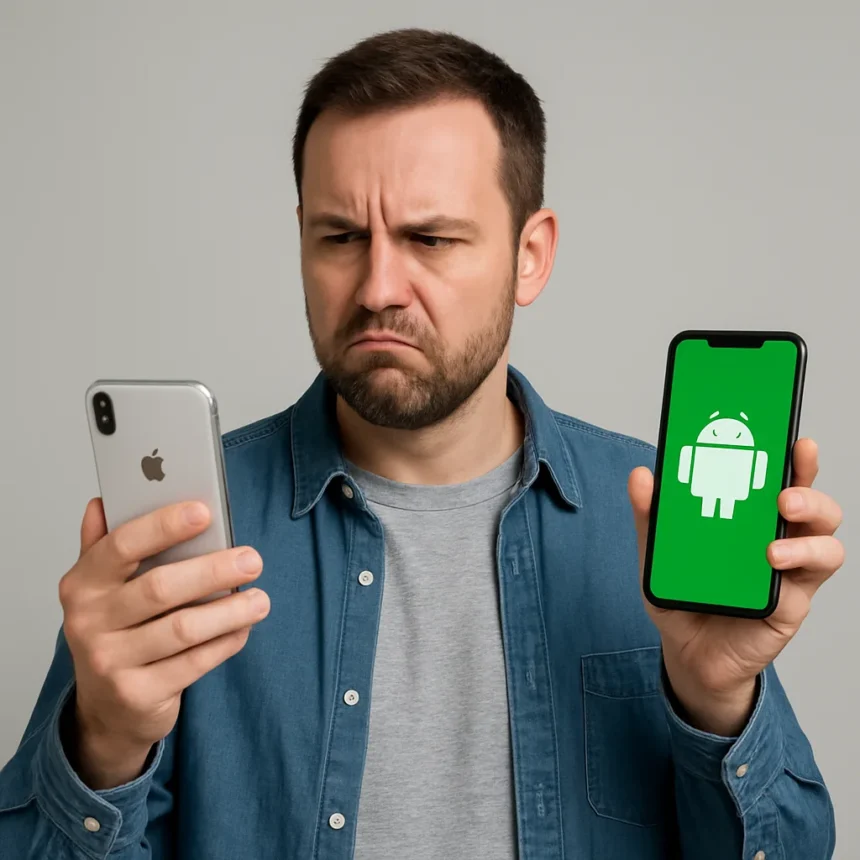
Apple’s latest Android joke would have made sense a decade ago. Today, it falls flat because modern Android phones are fundamentally different from the caricature the ad relies on. The company’s marketing continues to lean on outdated stereotypes at a moment when Android devices offer capabilities and form factors that iPhone users increasingly want.
Key Takeaways
- Apple’s Android joke relies on stereotypes that no longer describe modern Android phones accurately.
- Modern Android phones now offer differentiated features like foldables and portable emulation that iPhones cannot match.
- Android and iOS have converged in design and functionality, with Android increasingly resembling iOS in multitasking and visual elements.
- The gap between Android and iPhone capabilities has narrowed significantly since Apple’s joke premise was originally relevant.
- Android Central argues that modern Android phones are “many things, but they’re not whatever this ad is showing”.
What Modern Android Phones Actually Deliver
Modern Android phones are many things, but they’re not whatever this ad is showing. The reality is far more nuanced. Today’s Android devices include foldable screens, portable emulation capabilities, and form factors that push beyond what iOS offers. These aren’t niche features—they represent genuine use cases where Android excels. A user choosing Android isn’t settling for an inferior iPhone clone; they’re selecting a platform that does things differently, often better, for specific needs.
The Android ecosystem has matured dramatically. Phones from Samsung, Google, and other manufacturers no longer chase iPhone aesthetics or functionality blindly. Instead, they’ve carved out distinct identities. Foldable screens represent a category iPhone has never attempted. Portable emulation on Android allows gaming and software compatibility that iOS cannot match. These aren’t marginal differences—they’re architectural choices that define the platform.
The Design Convergence Apple Ignores
Ironically, Apple’s joke ignores the fact that Android has increasingly borrowed iOS design language over the years. Android OS has adopted iOS-like design ideas in recent iterations, including similarities in multitasking, icon presentation, and overall visual hierarchy. The two platforms are converging in some areas even as they diverge in others. This middle ground makes Apple’s caricature even more outdated—the gap between the platforms is narrower and more subtle than the ad suggests.


Android and iOS serve different roles and purposes but are still smartphones that mostly do the same thing. The key word is “mostly.” Where they differ is where the real story lives. Treating Android as a broken iPhone is lazy marketing that ignores how the platform has evolved. Users who prefer Android aren’t confused or settling—they’re making deliberate choices based on features, customization, and ecosystem fit.
Why This Matters for Apple’s Messaging
Apple’s reliance on outdated Android jokes suggests the company is running low on substantive competitive angles. When your primary marketing strategy involves mocking a competitor’s past rather than celebrating your own present advantages, it signals weakness. The iPhone remains a premium device with genuine strengths: tight hardware-software integration, privacy focus, ecosystem lock-in, and consistent performance. Those are real differentiators.



But a joke that would have landed in 2016 lands differently in 2026. Readers and viewers who actually use modern Android phones recognize the caricature immediately. The ad alienates the very audience Apple might persuade by acknowledging Android’s genuine strengths and explaining why iPhone is still the better choice for them. Instead, it condescends to a strawman version of the competition.
What Does This Mean for Consumers?
For phone buyers, Apple’s outdated joke is a reminder to evaluate devices based on what they actually do, not on marketing narratives designed for a different era. Modern Android phones offer real alternatives to iPhone—not inferior copies. Using the best Android phones allows users to do things they don’t want their iPhone to do. That’s not a weakness; it’s a feature.
The smartphone market in 2026 is genuinely competitive in ways it wasn’t ten years ago. Android phones excel in specific areas. iPhones excel in others. The choice depends on priorities, not on which platform is objectively superior. Apple’s joke assumes the latter and, in doing so, misses the actual conversation happening among informed consumers.
Can Apple’s Android Messaging Evolve?
Apple has the creative talent to move beyond decade-old jokes. A smarter approach would acknowledge Android’s strengths while explaining why iPhone’s ecosystem, privacy stance, or hardware integration matters more to Apple users. That’s persuasive. A joke that relies on a version of Android that no longer exists is just noise.



Why does Apple keep making Android jokes?
Apple’s marketing strategy has long relied on positioning iPhone as the premium alternative to Android. Jokes and jabs reinforce brand identity and loyalty among existing users. However, when those jokes become outdated, they risk looking defensive rather than confident. A company secure in its position doesn’t need to mock competitors; it celebrates its own strengths.
What makes modern Android phones different from the iPhone?
Modern Android phones offer form factors like foldable screens, deeper customization, portable emulation, and integration with non-Apple ecosystems. iPhones prioritize tight hardware-software integration, privacy controls, and ecosystem consistency. Both approaches have merit depending on what users prioritize.
Has Android copied iOS design?
Yes. Recent versions of Android OS have incorporated iOS-like design elements in multitasking, icon presentation, and overall visual structure. This convergence makes the platforms more similar in some ways while they diverge in others, further undermining Apple’s outdated joke premise.
Apple’s Android joke was funny once. It stopped being funny years ago. In 2026, it’s just a reminder that even premium brands can lag behind the reality they’re trying to critique. Modern Android phones deserve better than caricature—and so do the millions of people who choose them deliberately.
Edited by the All Things Geek team.
Source: Android Central