





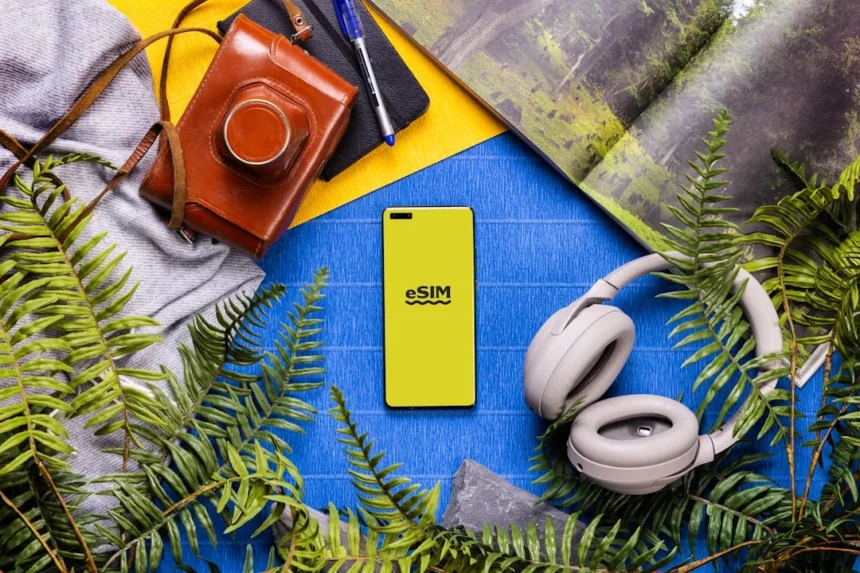
Android phones for summer travel need to balance performance, durability, and peace of mind. Android Central’s 2026 travel guide emphasizes devices that work smoothly across borders and won’t destroy your vacation if they get lost or stolen.
Key Takeaways
- eSIM support on Android is reliable for switching carriers and moving numbers between phones during travel.
- Google Pixel 9 Pro, Motorola Razr Ultra 2025, and Google Pixel 8a are proven travel companions.
- Choose a phone you can afford to replace if it’s damaged, lost, or stolen while traveling.
- eSIM setup on Android is smooth most of the time, even when transferring your number to a new device.
- Travel-focused Android buying guides now include expandable storage and eSIM compatibility as key decision factors.
Why eSIM Matters for Android phones for summer travel
eSIM on Android is the significant shift for international travelers and anyone switching carriers mid-trip. Android Central notes that using eSIM on Android is “pretty darn solid,” and the setup process is “very smooth most of the time, even if you want to move your number to a new phone.” This matters because traditional SIM cards require physical swaps, adapters, and the risk of losing a tiny piece of plastic in an airport bathroom. With eSIM, you activate a new carrier profile instantly through your phone’s settings.
For summer travelers, eSIM eliminates friction. Need a local number in Barcelona? Switch carriers with a few taps. Flying to Tokyo and want to avoid roaming charges? Same process. Android Central’s travel coverage emphasizes this capability because it transforms how you handle connectivity abroad. You’re no longer dependent on finding a physical SIM card or waiting in a carrier shop.
Android phones for summer travel: The proven picks
Android Central’s earlier summer-travel recommendations included the Google Pixel 9 Pro, Motorola Razr Ultra 2025, and Google Pixel 8a. Each serves a different travel scenario. The Pixel 9 Pro delivers flagship performance for photographers and power users. The Razr Ultra 2025 brings a compact form factor—foldables are lighter and easier to pack than traditional slabs. The Pixel 8a offers budget-friendly reliability without premium pricing.


The logic behind these picks reflects a practical travel philosophy: choose a device that balances capability with replacability. Android Central advises selecting “one I won’t miss as much if it gets lost or stolen.” This doesn’t mean buying a cheap phone—it means accepting that travel introduces risk. A mid-range Pixel or a budget device handles daily travel tasks (maps, translation apps, email, social media) just as well as a flagship, with less financial anxiety if something goes wrong.
Storage and connectivity: The overlooked travel factors
Beyond the phone itself, Android Central’s buying-guide ecosystem highlights expandable storage and eSIM-focused device selection as critical travel considerations. Expandable storage matters because international roaming for cloud backup is expensive, and offline maps consume gigabytes. A phone with microSD support lets you pre-load maps, music, and photos without relying on spotty hotel WiFi.


Android Central’s broader phone-buying coverage in 2026 includes recommendations across price tiers—flagship Samsung devices, budget Android phones under 200, and specialized travel guides. This tiered approach acknowledges that summer travel doesn’t require a flagship. A budget device with solid eSIM support and reliable battery life often outperforms an expensive phone in real travel scenarios.
How Android phones for summer travel compare to iPhones
iPhone users get eSIM support and durability, but Android offers flexibility that matters for travelers. iPhones lock you into Apple’s ecosystem and carrier partnerships. Android phones, particularly Google Pixel and Motorola devices, work with any carrier and support more regional carriers globally. If you’re traveling outside the US or Europe, Android’s carrier flexibility is a genuine advantage. You’re not limited to partnerships Apple has negotiated—you can activate any local eSIM that supports Android.
Additionally, Android’s openness means more budget options. A Pixel 8a at a fraction of an iPhone’s cost handles travel just as effectively. For someone traveling on a tight budget or worried about theft, Android’s price range is a real differentiator.
What to prioritize when choosing an Android phone for summer travel
Start with eSIM support—it’s now standard on most modern Android phones, but verify before buying. Next, check battery life and charging speed. Airports have chargers, but trains and long layovers don’t. A phone that lasts a full day and charges quickly matters more than raw processing power.


Consider the phone’s size and weight. A lighter device is easier to carry all day and less likely to damage if dropped. Durability ratings matter too—a phone with solid drop protection and water resistance handles the bumps of travel better than a fragile flagship.
Finally, think about the phone’s resale or trade-in value. If you’re traveling with a device you plan to sell or trade when you return, a popular model like the Pixel or Motorola holds value better than a niche flagship.
Is eSIM really reliable for international travel?
Yes, according to Android Central’s testing and user feedback. eSIM activation is smooth in most countries, and switching carriers mid-trip is straightforward. The main caveat: some older carriers in remote regions don’t support eSIM yet, so research your destination’s carrier options before departure. In major cities and developed countries, eSIM is reliable and faster than traditional SIM card swaps.
Which Android phone should I bring if I’m worried about theft or loss?
Android Central recommends choosing a device you can afford to replace without financial hardship. The Google Pixel 8a strikes this balance—it’s capable, reliable, and affordable enough that losing it on a beach in Greece won’t ruin your trip. Mid-range phones from Motorola and Samsung offer the same philosophy: solid performance without premium pricing.
Can I use my home carrier’s plan with eSIM while traveling?
You can, but it’s expensive. International roaming charges are steep. Instead, eSIM lets you activate a local carrier’s plan for the duration of your trip, then switch back to your home carrier when you return. This is why eSIM is such a significant shift for travel—it makes switching to cheaper local plans seamless and instant.
The bottom line: Android phones for summer travel should prioritize eSIM support, reliable battery life, and a price point you can afford to lose. Android Central’s recommendations—the Pixel 9 Pro, Razr Ultra 2025, and Pixel 8a—represent the range of options available in 2026. Pick the one that matches your travel style, activate eSIM before you leave, and travel with confidence.
Where to Buy
25% OFFBest cameraGoogle Pixel 10 Pro$749$999shop now | Best batteryOnePlus 15$999.99shop now | 10% OFFBest budgetGoogle Pixel 10a$449$499shop now | 7% OFFBest ruggedSamsung Galaxy XCover7 Pro$556.66$599.99shop now | 8% OFFBest premiumSamsung Galaxy S26 Ultra$1,199$1,299.99shop now
Edited by the All Things Geek team.
Source: Android Central




