





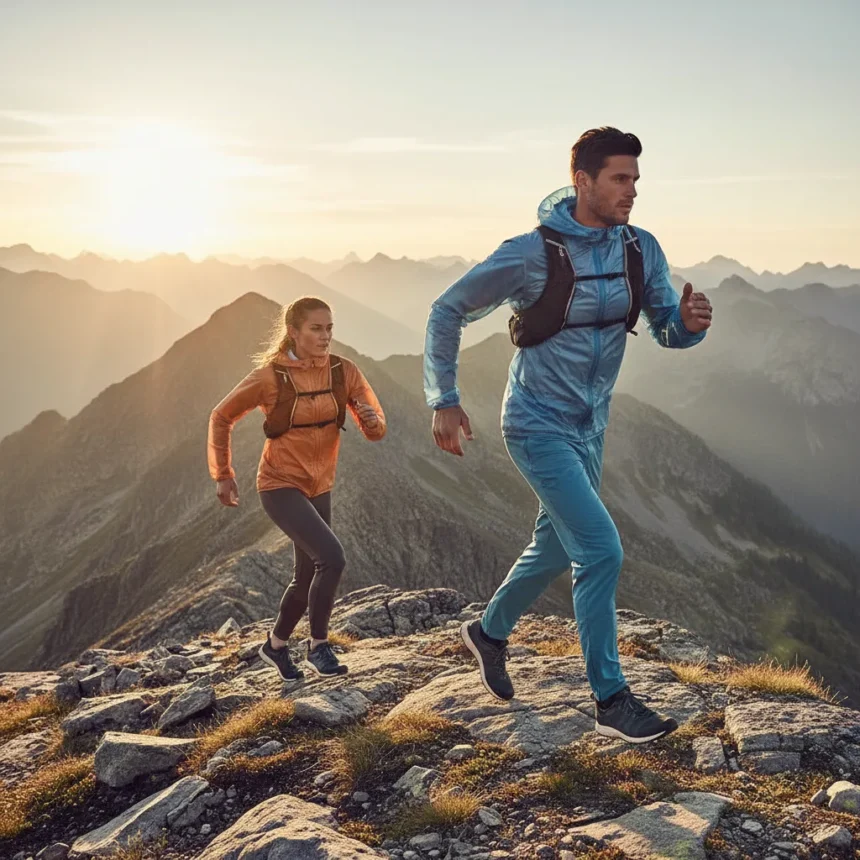
Peak Performance’s Light Hike collection represents a bold move into ultralight fast-hiking territory, signaling where premium outdoor brands are placing their bets as demand for lighter, more breathable gear continues to accelerate. The new range is built around a waterproof jacket that weighs barely more than an iPhone—a specificity that immediately raises the bar for what “lightweight” means in the category.
Key Takeaways
- Peak Performance launches Light Hike collection focused on ultralight fast-hiking performance.
- The collection features a waterproof jacket weighing barely more than an iPhone.
- Design emphasizes lightweight protection, breathable fabrics, and minimalist Scandinavian styling.
- Peak Performance positions itself as an Arc’teryx challenger in premium outdoor gear.
- The collection targets hikers prioritizing speed and minimal pack weight over maximum insulation.
What Peak Performance Light Hike Collection Offers
The Peak Performance Light Hike collection combines three core design principles: lightweight protection, breathable fabrics, and minimalist Scandinavian styling. This isn’t about adding features or chasing technical specifications that most hikers never use. Instead, the range strips outdoor gear down to essentials, cutting away bulk without sacrificing weather resistance. The waterproof jacket that anchors the collection demonstrates this philosophy—achieving waterproof performance in a garment barely heavier than an iPhone is a feat of material engineering and design discipline.
Fast hiking demands different gear than traditional backpacking. Where multi-day trekkers prioritize insulation and capacity, fast hikers need protection that doesn’t slow them down. The Light Hike collection addresses this specific use case head-on, building gear around the assumption that hikers moving quickly generate their own body heat and need primarily wind and water protection rather than thermal layers.
How Peak Performance Positions Against Arc’teryx
Peak Performance explicitly positions itself as an Arc’teryx challenger brand, competing in the premium outdoor-performance category where Arc’teryx has long dominated. The comparison is strategic: Arc’teryx built its reputation on technical innovation and premium pricing, but the market for ultralight fast-hiking gear is expanding faster than Arc’teryx alone can serve. Peak Performance’s Light Hike collection targets the same customers—hikers willing to pay for quality—but with a design philosophy that emphasizes simplicity and breathability over maximum feature density.


This positioning matters because it signals a shift in how premium outdoor brands think about competition. Rather than copying Arc’teryx’s approach, Peak Performance is offering an alternative philosophy: Scandinavian minimalism instead of technical maximalism, lightweight breathability instead of all-weather insulation. For hikers frustrated by Arc’teryx’s weight and price, this collection presents a genuine alternative.
Why Ultralight Fast Hiking Is Growing
The fast-hiking movement has matured from niche trend to mainstream category. Hikers increasingly recognize that carrying less weight means moving faster, enjoying trails more, and arriving at destinations fresher. This shift has created space for brands that prioritize speed and lightness over traditional backpacking virtues like maximum insulation and storage capacity. Peak Performance’s Light Hike collection arrives at exactly the moment when this audience is actively searching for gear that matches their approach.


The waterproof jacket’s headline-grabbing weight—barely more than an iPhone—serves as proof of concept. It demonstrates that Peak Performance understands the fast-hiking philosophy and can execute it at a technical level. Whether the rest of the collection maintains this standard will determine whether the brand can genuinely challenge Arc’teryx in this segment or merely occupy a niche position.
Is the Peak Performance Light Hike collection worth buying?
The collection targets a specific audience: experienced hikers who prioritize speed and minimal weight over maximum protection and capacity. If you regularly hike in temperate conditions and move quickly, the Light Hike collection’s ultralight approach makes sense. If you hike in extreme weather or prefer multi-day expeditions with heavy packs, you’ll likely need more insulation and durability than this collection prioritizes.
How does Peak Performance’s approach differ from traditional outdoor brands?
Peak Performance emphasizes minimalist Scandinavian styling and breathable fabrics designed for active hikers, whereas traditional outdoor brands like Arc’teryx focus on maximum technical features and all-weather protection. The Light Hike collection assumes hikers generate their own heat through movement and need primarily wind and water resistance, not thermal insulation.
What makes the waterproof jacket so light?
The jacket achieves its minimal weight through material engineering and design discipline—cutting away features and bulk that slow hikers down while maintaining waterproof performance. The specificity of weighing barely more than an iPhone suggests Peak Performance prioritized weight reduction above all other considerations.



Peak Performance’s Light Hike collection represents a genuine alternative to Arc’teryx’s technical maximalism. For fast hikers tired of carrying unnecessary weight, the collection’s ultralight approach and minimalist Scandinavian design offer a compelling direction. Whether the entire range maintains the engineering quality demonstrated by the headline waterproof jacket will ultimately determine whether Peak Performance can sustain its challenger position or fades as a trend-chasing brand.
Edited by the All Things Geek team.
Source: T3




