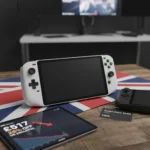
Wide foldables are reshaping smartphone design after years of vertical-screen dominance, and Samsung is no longer leading the charge. Chinese manufacturers Honor and Vivo are reportedly developing their own horizontally oriented foldables to compete with Samsung’s anticipated Galaxy Z Fold 8 Wide, but Huawei has already crossed the finish line with the Pura X Max, which launched before any of its rivals could reach the market.
Key Takeaways
- Huawei’s Pura X Max is the first horizontally wide foldable, beating Samsung and Apple to market with preorders open in China.
- Honor and Vivo are developing wide foldables to compete as Samsung shifts from its traditional tall-screen design philosophy.
- The Galaxy Z Fold 8 Wide is rumored to feature a 5.4-inch cover display and 7.6-inch inner screen, matching the Pixel Fold’s book-like format.
- Wide foldables excel at reading, video consumption, and tablet app usage compared to entertainment-focused tall designs.
- Honor’s Magic V5 is expected to launch in July 2026 with a 5,950mAh battery, following the pattern of previous releases at IFA Berlin.
Why Wide Foldables Are Winning Now
Wide foldables represent a fundamental shift in how the industry thinks about unfolded screens. Unlike tall foldables that prioritize a phone-like cover display, wide foldables transform into actual tablets when opened—a book-sized rectangle that suits productivity far better than entertainment scrolling. Google explored this format with the original Pixel Fold, but Huawei executed it first with real market availability. The Pura X Max is now taking preorders in China with a 1,000 yuan deposit, establishing proof that consumers want this form factor.
Samsung’s rumored Galaxy Z Fold 8 Wide would match this approach with a 5.4-inch cover display and 7.6-inch inner screen, finally abandoning the tall-foldable design that has defined the Galaxy Z Fold series since 2020. This is not a minor tweak—it is Samsung admitting that its previous direction was wrong. For years, Samsung insisted that tall foldables were the future, cramming smaller inner displays into devices that felt awkward for anything beyond basic phone tasks. Wide foldables solve that problem by offering genuine tablet real estate without requiring a separate device.
Chinese Competitors Are Moving Faster Than Samsung
Honor and Vivo’s involvement in wide foldables signals that Samsung’s foldable monopoly is fracturing. Honor is expected to launch its Magic V5 with a 5,950mAh battery—a substantial upgrade from the Magic V3’s 9.2mm folded thickness—potentially arriving at IFA Berlin in July 2026. Vivo’s X Fold 2 already features a big cover screen and massive main display, positioning the company as a credible contender in the wider format space. Neither company has publicly confirmed wide foldable specifications yet, but the rumors suggest they are serious about capturing market share before Samsung’s rumored Galaxy Z Fold 8 Wide even arrives.


This competitive pressure matters because it forces innovation faster than Samsung alone would deliver. Huawei’s first-mover advantage with the Pura X Max proves that Chinese manufacturers can execute on ambitious foldable designs without waiting for Samsung’s blessing. Honor and Vivo are following suit, creating a three-way battle that will likely accelerate battery improvements, reduce thickness, and drive down prices across the category.
What Wide Foldables Mean for the Industry
The shift from tall to wide foldables is not just about screen orientation—it reflects a maturation of the category. Early foldables were novelties, devices that prioritized the wow factor of a folding screen over practical usability. Wide foldables are the opposite. They are optimized for reading, watching videos, and running tablet applications without the awkward aspect ratios that plague tall foldables. A 7.6-inch wide screen is genuinely useful for work; a 7.6-inch tall screen is just a stretched phone.



Samsung’s decision to pursue a Galaxy Z Fold 8 Wide suggests the company finally understands this. Yet by moving second, Samsung risks ceding the narrative to Huawei and its Chinese rivals. If Honor and Vivo deliver compelling wide foldables at competitive prices before Samsung launches, early adopters may choose those devices instead of waiting for the Galaxy Z Fold 8 Wide. Apple’s rumored iPhone Fold will face the same timing challenge, arriving years after the market has already adopted wide foldables as the standard.
Is the wide foldable format better than tall foldables?
Wide foldables excel at productivity and media consumption because they provide genuine tablet-sized screens for reading, video, and apps. Tall foldables prioritize maintaining a phone-like cover display, which limits the inner screen’s usefulness for anything beyond scrolling. The choice depends on your primary use case, but the industry is clearly betting that wide is the future.
When will Honor and Vivo launch their wide foldables?
Honor’s Magic V5 is expected to launch in July 2026, likely at IFA Berlin following the company’s historical pattern. Vivo has not announced a specific timeline, though rumors suggest development is underway. Samsung’s Galaxy Z Fold 8 Wide has no official launch date, but typically arrives in the second half of the year.
Has Huawei’s Pura X Max launched globally?
The Pura X Max is currently accepting preorders in China with a 1,000 yuan deposit, but global availability remains unclear. Huawei’s international market presence is limited by geopolitical factors, so Western consumers may not have direct access to the device.



The wide foldable era is here, and it is reshaping what manufacturers believe consumers actually want from a folding phone. Huawei proved the market exists. Honor and Vivo are moving to capture it. Samsung is playing catch-up, which means the company that defined foldables is no longer setting the pace. For consumers, that competition is good news—it means faster innovation, better designs, and real choices instead of Samsung’s monopoly.
Edited by the All Things Geek team.
Source: Android Central