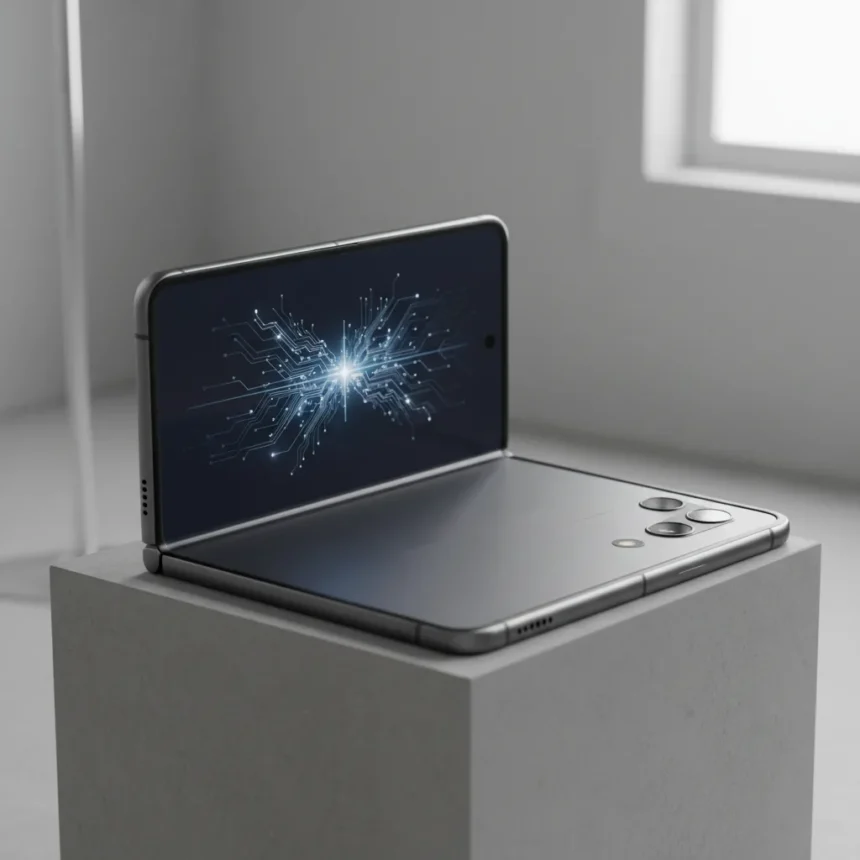
The Galaxy Z Fold 8 Wide sounds great until you look at the cameras. Samsung’s upcoming foldable, expected to launch in late July, represents a genuine rethink of how a foldable phone should look and feel—but the company made a hard choice about imaging capability to make it work.
Key Takeaways
- The Galaxy Z Fold 8 Wide features a 5.4-inch cover display and 7.6-inch inner screen with a proper book-like aspect ratio.
- The redesigned form factor forces Samsung to cut the rear camera setup from three lenses to just two.
- The regular Galaxy Z Fold 8 keeps a triple-camera system with upgraded sensors across all three lenses.
- The cover display selfie camera shrinks from 3.7mm to 2.5mm, reducing the notch visibility.
- Samsung launches both models simultaneously, forcing buyers to choose between design and camera versatility.
Why the Galaxy Z Fold 8 Wide Actually Fixes a Real Problem
For three generations, Samsung’s Fold has suffered from an awkward cover display—a narrow strip that barely resembles a smartphone and makes one-handed use feel cramped. The Galaxy Z Fold 8 Wide solves this by adopting a proper book-sized aspect ratio with a 5.4-inch cover display that actually looks like a phone when closed. The inner screen grows to 7.6 inches, giving you a genuine tablet experience when unfolded. This is not a minor tweak. The wider, shorter form factor is what foldables should have looked like from the start.
The smaller 2.5mm selfie camera cutout on the cover display—down from 3.7mm—also reduces the visual interruption that has plagued earlier Fold models. Samsung’s Fold 8 Wide could fix one of foldables’ ugliest camera problems. These design improvements address years of complaints from users who wanted a foldable that actually felt like a premium device when closed, not a novelty that required two hands to use comfortably.
The Camera Compromise That Kills Flagship Status
Here is where the Galaxy Z Fold 8 Wide stumbles. The shorter, wider form factor leaves no room for three rear cameras. Samsung is expected to equip the Wide model with only two rear lenses—likely an ultrawide and a main camera—mirroring the approach used on the Galaxy S25 Edge. Meanwhile, the regular Galaxy Z Fold 8 retains a full triple-camera setup with a 200MP main sensor, an upgraded ultrawide (jumping from 12MP to 15MP), and a telephoto lens with 3x optical zoom (bumped from 10MP to 12MP).


That gap is substantial. The Wide model loses the telephoto entirely, which means no optical zoom and no dedicated compression for portraits. Compared to competitors like the Honor Magic V6 and Motorola Razr Fold, the Galaxy Z Fold 8 Wide starts to feel less like a flagship and more like a compromise device. You get the better design, but you lose the imaging versatility that justified the premium price tag on earlier Fold models.
Battery and Charging: Small Upgrades, Same Philosophy
The Galaxy Z Fold 8 Wide is expected to pack a 5,000mAh battery with 45W wired charging. These are incremental improvements—the battery capacity is respectable for a foldable, and the charging speed matches what Samsung has offered on previous generations. Neither stat is particularly impressive compared to what flat-screen flagships offer, but foldables have always made battery trade-offs due to their complex internal architecture. The real question is whether that 5,000mAh will last through a full day of heavy use on a device with a 7.6-inch inner display and a 5.4-inch outer screen.



Galaxy Z Fold 8 Wide vs. Regular Galaxy Z Fold 8: Which Should You Want?
This is the dilemma Samsung has created. If you care about design and usability when the phone is closed, the Galaxy Z Fold 8 Wide is the obvious choice. The wider cover display and proper smartphone proportions make it feel like a genuine product rather than a prototype. But if you shoot photos regularly—portraits, zoomed shots, anything requiring optical compression—the regular Galaxy Z Fold 8 with its triple-camera array is the safer bet. You cannot have both.
The trade-off also reveals something uncomfortable about foldable design. Making the form factor better for everyday use requires sacrificing the components that make it feel like a premium flagship device. Samsung could have fit three cameras into the Wide model, but it would have meant a thicker, heavier device or a less elegant design. Instead, the company chose to prioritize how the phone feels in your hand over what it can do with your photos.
What the Leaks Tell Us About Samsung’s Strategy
The Galaxy Z Fold 8 Wide is codenamed H8 in Samsung’s One UI 9 software leaks. This is not a last-minute variant or a regional experiment—it is a deliberate product strategy. Samsung is betting that a significant portion of foldable buyers care more about the form factor than the camera system. That might be true. But it also means the Galaxy Z Fold 8 Wide will appeal to a narrower audience than the regular Fold, which tries to be a complete flagship package.
The simultaneous launch in late July alongside the Galaxy Z Flip 8 signals Samsung’s confidence in the Wide model as a real product line, not a one-off. Whether that confidence is justified depends entirely on how buyers weigh design against camera capability. For power users and photography enthusiasts, the choice is clear. For everyone else, the Galaxy Z Fold 8 Wide might finally make foldables feel like phones worth carrying.



Is the Galaxy Z Fold 8 Wide worth buying over the regular Fold?
Only if the cover display design matters more to you than zoom capability and portrait versatility. The regular Galaxy Z Fold 8 remains the more complete flagship device, but the Wide model solves a genuine usability problem that has plagued foldables for years. Your priority determines which is right.
When will the Galaxy Z Fold 8 Wide launch?
Samsung is expected to announce the Galaxy Z Fold 8 Wide in late July alongside the Galaxy Z Flip 8, following the company’s traditional mid-summer launch schedule for foldables. Specific pricing and exact availability have not yet been confirmed.
How much better is the regular Galaxy Z Fold 8’s camera system?
The regular Fold keeps all three cameras with meaningful upgrades: a 200MP main sensor, a 15MP ultrawide (up from 12MP), and a 12MP telephoto with 3x optical zoom (up from 10MP). The Wide model loses the telephoto entirely, eliminating zoom and portrait compression capabilities.
The Galaxy Z Fold 8 Wide proves that better design and better cameras are not always compatible in a foldable form factor. Samsung chose to fix one of foldables’ most glaring usability problems—the narrow, awkward cover display—but the cost is a camera system that no longer competes at the flagship level. Whether that trade-off makes sense depends entirely on how you use your phone. If you value the device as a foldable first and a camera second, the Wide model is finally the Fold worth carrying. If you need zoom, portraits, and the full imaging toolkit, stick with the regular Galaxy Z Fold 8.
Edited by the All Things Geek team.
Source: Android Central