Hisense UR9 RGB Mini-LED Review
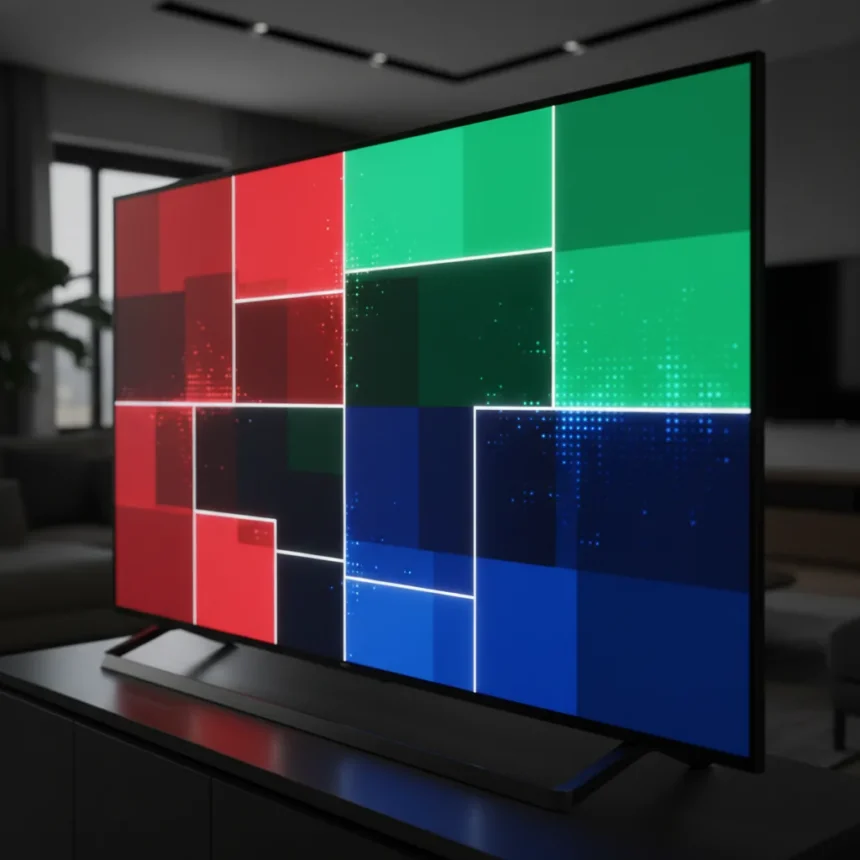
The Hisense UR9 RGB Mini-LED is Hisense’s flagship RGB Mini-LED TV for 2026, representing a significant shift in how the company approaches color performance. It features RGB Mini-LED backlighting with red, green, and blue LEDs plus a fourth cyan color, powered by the Hi-View AI Engine RGB processor. Available in sizes from 55 to 100 inches, the UR9 delivers brighter, purer colors than traditional Mini-LED TVs.
Key Takeaways
- RGB Mini-LED uses red, green, and blue LEDs for more accurate color reproduction than standard Mini-LED
- The UR9 produces smoother color gradients and clearer motion than Hisense’s previous 116UX model
- Available in five sizes ranging from 55 to 100 inches across multiple markets
- Hi-View AI Engine RGB processor handles color mapping and contrast control
- Brighter, purer colors distinguish it from traditional Mini-LED competitors
What Makes RGB Mini-LED Different
RGB Mini-LED technology represents a fundamental departure from standard Mini-LED design. Instead of using white LEDs with color filters, the UR9 deploys separate red, green, and blue LED elements, plus a cyan component, to generate color directly at the source. This architectural advantage means the TV can produce more saturated hues without the color shift or blooming that plagues traditional Mini-LED sets.
The difference is immediately visible in high-color content. Reds appear deeper and more natural. Blues don’t bleed into adjacent zones. Greens maintain their vibrancy without washing out under bright scenes. This isn’t marginal improvement—it’s the kind of color accuracy that makes you notice you’ve been watching inferior panels for years.
The UR9’s Performance Against Predecessors
Compared to Hisense’s 116UX, the UR9 delivers smoother color gradients and clearer motion. The older model, while capable, couldn’t match the color purity that separate RGB elements provide. The UR9’s Hi-View AI Engine RGB processor handles the heavy lifting, mapping content to the new color space and managing contrast without the artifacts that plagued earlier generations.

This generational leap matters because it proves RGB Mini-LED isn’t just marketing—it’s a tangible performance upgrade. Where the 116UX required compromises between brightness and color accuracy, the UR9 refuses to choose. You get both.
Size and Availability
Hisense is rolling out the UR9 in five screen sizes: 55, 65, 75, 85, and 100 inches. This range addresses different room sizes and budgets, though larger models will carry premium pricing. The 100-inch option is particularly notable for buyers who want flagship color performance in a genuinely immersive form factor.



Should You Buy the Hisense UR9 RGB Mini-LED?
If color accuracy and brightness matter to you, the UR9 is worth serious consideration. RGB Mini-LED is still emerging technology, and the UR9 represents one of the first mainstream implementations. You’re not buying a gimmick—you’re buying a fundamental improvement in how TVs reproduce color.
The catch: RGB Mini-LED TVs are pricier than standard Mini-LED or QLED alternatives. Budget accordingly. But if you’ve ever been frustrated by color blooming, gradient banding, or dull reds on traditional Mini-LED sets, the UR9 fixes what actually bothers you about those TVs.
Does the UR9 use standard Mini-LED or something different?
The UR9 uses RGB Mini-LED, not standard Mini-LED. It has separate red, green, and blue LED elements instead of white LEDs with color filters, which allows it to produce brighter, purer colors.
What sizes does the Hisense UR9 come in?
The Hisense UR9 RGB Mini-LED is available in 55, 65, 75, 85, and 100-inch models, giving buyers flexibility across different room sizes and viewing distances.


How does the UR9 compare to the 116UX?
The UR9 delivers smoother color gradients and clearer motion than the 116UX, thanks to its RGB architecture and the Hi-View AI Engine RGB processor. It’s a meaningful generational upgrade if color performance is your priority.
The Hisense UR9 RGB Mini-LED proves that Mini-LED technology still has room to evolve. By separating color generation from brightness control, Hisense has created a TV that handles both with confidence. If you’re shopping for a flagship display in 2026, this is one worth testing in person.
Edited by the All Things Geek team.
Source: Tom's Guide