




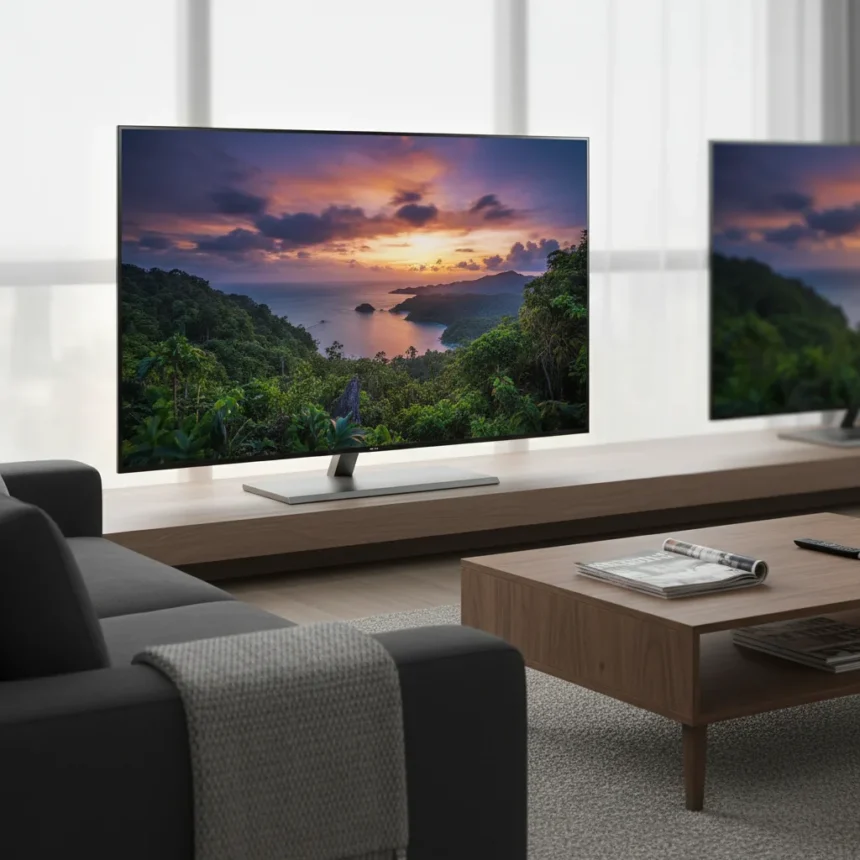
The LG C6 OLED TV is the 2026 successor to one of 2025’s finest televisions, and after testing both models side-by-side, the upgrade story is genuinely mixed. LG’s mid-range OLED delivers measurable improvements in brightness and processing speed, yet the gap isn’t dramatic enough to make every C5 owner regret their purchase. For those considering an upgrade from older models like the C3 or C4, the case is far stronger—but patience might still pay off.
Key Takeaways
- LG C6 HDR brightness jumps 190 nits (1355 vs 1165 nits), a meaningful 16% gain over the C5
- SDR brightness improves modestly: 355 nits versus C5’s 335 nits, a 6% increase
- C6H variant lacks the anti-reflection coating found on the flagship G6, matching standard C6 and C5 on reflection handling
- C6 gamut coverage drops slightly to 98.3% from C5’s 99.67%, a trade-off in color accuracy
- Upscaling, motion handling, and navigational speed all improve, though these gains resist easy quantification
Brightness Gains That Actually Matter in Real Rooms
The headline number is HDR brightness: the C6 pushes 1355 nits at 10% window versus the C5’s 1165 nits. That 190-nit advantage translates to noticeably punchier highlights in bright scenes—explosions snap harder, sunlit skies feel more vivid, and sports footage gains impact. For viewers in well-lit rooms or those who watch a lot of HDR content, this is the real story. The SDR brightness bump (355 nits to 335 nits) matters less for most people, though it does help with standard content in bright conditions.
To put this in perspective, the C6’s HDR performance sits meaningfully ahead of the C4 (1049 nits) and dramatically ahead of the C3 (819 nits). If you’re upgrading from a three-year-old model, the difference will feel substantial. Compared to the flagship LG G5, however, the C6 still trails considerably—the G5 peaks at 2,268 nits with fullscreen brightness of 331 nits, making it the clear choice for bright-room enthusiasts. The C6 occupies the practical middle ground: brighter than its predecessor, but not flagship-level.
Processing Refinements That Don’t Show Up in Spec Sheets
Where the C6 truly separates itself is in the invisible work: upscaling, motion handling, and color banding reduction all improve over the C5, yet none of these show up in a lab report. Navigational speed is snappier, and the TV feels more responsive when scrolling menus or switching inputs. These are the kinds of upgrades that matter during daily use but resist easy quantification—a reviewer can tell you they’re better, but you won’t see a number to justify the purchase.


This is where the upgrade becomes genuinely subjective. If you spend most of your time watching streaming content (often lower resolution), the upscaling improvements will be noticeable. If you’re gaming or watching sports, the motion handling gains help. But if you’re primarily watching native 4K content or using your TV as a display device, these refinements feel like incremental polish rather than transformative change.
The Reflection Problem Neither Model Solves
Both the C5 and C6 suffer from the same glossy-screen curse that plagues all LG OLEDs in this lineup: mirror-like reflections in bright rooms. The C6H variant promised better anti-reflection handling by borrowing the superior coating from the flagship G6, but LG’s decision to equip the C6H with the same reflective treatment as the standard C6 (matching the C5) means this remains an unresolved weakness. If your viewing room has large windows or bright ambient light, both TVs will struggle with reflections equally. The G5 and G6 handle this better, but they cost significantly more.



Color Accuracy Takes a Step Backward
Here’s an unexpected trade-off: the C6’s Rec.709 gamut coverage drops to 98.3% from the C5’s 99.67%. Delta-E (color error) is also slightly worse at 1.53 versus 1.25. These are small differences—most viewers won’t perceive them—but they suggest LG prioritized brightness and processing speed over the color precision that made the C5 such a standout. For color-critical work or for viewers with trained eyes, the C5 remains the more accurate choice.
Who Should Actually Upgrade?
The C6 makes the strongest case for owners of the C4, C3, or older models. The brightness jump from C3 (237 nits SDR, 819 nits HDR) to C6 (355 nits SDR, 1355 nits HDR) is substantial enough to feel like a generational leap. The processing improvements compound that advantage. If you’re coming from a 2022 or earlier OLED, the upgrade is worth serious consideration.
For C5 owners, the decision hinges on your budget and patience. The C6 is objectively better—faster, brighter, more refined. But the gap is narrow enough that a discounted C5 or even a discounted C4 might deliver better value. If your C5 is working perfectly and prices haven’t dropped significantly, waiting for a sale or holding out for next year’s model makes financial sense. The C6 is a worthy successor, but it’s not a must-have upgrade for recent buyers.
One critical caveat: the C6 comes in limited large sizes only, which may determine availability in your region. The C5’s broader size selection might actually make it the more practical choice if you need a specific screen diagonal.


How does the LG C6 compare to the LG G6 flagship?
The G6 delivers superior brightness and anti-reflection coating, making it the better choice for bright rooms and peak performance. However, the G6 costs considerably more, and for most viewers in typical lighting conditions, the C6’s improvements over the C5 deliver more meaningful value per dollar spent.
Is the LG C5 still worth buying in 2026?
Yes, especially at a discount. The C5 remains an excellent OLED with superb picture quality, gorgeous colors, and strong contrast. The C6 improves on it, but the gains are incremental enough that a discounted C5 often represents better value than a full-price C6, particularly if you’re not upgrading from an older model.
What’s the difference between the LG C6 and C6H variants?
Both versions use the same OLED panel and brightness specs. The C6H was expected to have superior anti-reflection coating borrowed from the flagship G6, but LG equipped it with the same reflective treatment as the standard C6, making them functionally equivalent for reflection handling.
The LG C6 OLED TV is a competent upgrade that delivers real improvements in brightness and processing—but it’s not a slam-dunk recommendation for everyone. The C5 remains excellent, the C4 offers surprising value, and the G5 dominates if bright-room performance is your priority. For buyers upgrading from older models or those who specifically value incremental refinement, the C6 earns its spot in the lineup. For everyone else, the math might favor waiting for prices to settle or choosing a different model entirely.
Where to Buy
This article was written with AI assistance and editorially reviewed.
Source: TechRadar