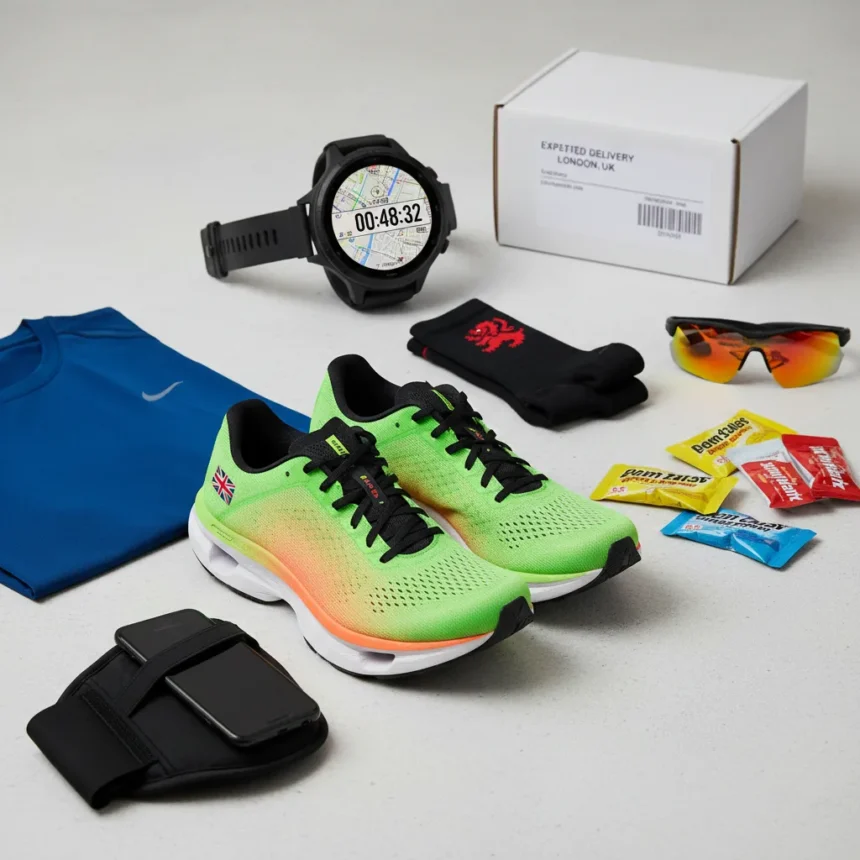
The London Marathon is almost here, and if you haven’t locked down your race-day gear yet, time is running short. Last-minute London Marathon products that still arrive before the starting gun are harder to find than you’d think, but they do exist. The trick is knowing where to look and how fast shipping actually works in the final countdown.
Key Takeaways
- Last-minute London Marathon products require fast shipping to arrive before race day.
- Recovery gear and accessories are among the easiest items to source last-minute.
- Shipping deadlines vary by retailer and product type.
- Marathon preparation extends beyond just shoes and clothing.
- Planning ahead remains the safest approach for race-day readiness.
Why Last-minute Marathon Shopping Is Risky
Waiting until the final days before the London Marathon to buy essential gear is a gamble. Standard shipping timelines often stretch beyond what you need, and express options eat into your budget fast. The real challenge isn’t finding products—it’s finding them with delivery windows tight enough to guarantee arrival before race day. Most runners who leave shopping this late end up either overpaying for expedited shipping or settling for whatever arrives, regardless of whether it’s actually what they needed.
The psychology of last-minute marathon preparation reveals something interesting: runners often postpone gear purchases because they’re uncertain about what they actually need. This uncertainty compounds the time pressure. You’re not just shopping; you’re making decisions under stress, which typically leads to poor choices. Recovery accessories and smaller items tend to be easier to source quickly than shoes or technical clothing, simply because they ship from larger inventory pools with faster turnover.
Recovery Gear and Accessories Ship Fastest
Recovery tools and small accessories represent your best bet for last-minute delivery. These items typically stock in higher volumes and ship from fulfillment centers with quicker processing times. A USD 7 recovery accessory, for example, can arrive within days rather than weeks, making it a practical choice when you’re down to the wire. These aren’t luxury items—they’re functional tools that actually improve how your body feels after the race.

Compression sleeves, foam rollers, massage sticks, and other recovery-focused products generally have shorter lead times than shoes or race kits. The reason is simple: they’re smaller, lighter, and don’t require the same quality-control scrutiny as footwear. A retailer can move inventory faster when items don’t need individual fitting or extensive durability testing before shipping. If you’re buying last-minute, prioritize recovery gear that addresses your specific post-race concerns rather than trying to source something you’ve never used before.
Running Shoes Require Planning You No Longer Have
Here’s the hard truth: if you don’t already have your marathon shoes broken in, buying new ones now is a mistake. Running shoes need miles on them before race day—at least 50 to 100 kilometers of training wear to confirm fit, comfort, and blister risk. Shoes purchased in the final week won’t have that buffer. Even if they arrive on time, wearing untested footwear over 42 kilometers is a recipe for blisters, hot spots, and potential injury that could derail your race entirely.



The three running shoes that defined marathon training for many runners this year all shared a common trait: they were purchased and tested weeks or months in advance. There’s no shortcut to shoe comfort. If you’re scrambling for footwear now, your only responsible option is to stick with whatever shoes you’ve already trained in, even if they’re not ideal. Swapping shoes in the final days creates risk that no amount of fast shipping can mitigate.
What You Can Still Realistically Buy
Socks, gels, electrolyte drinks, and anti-chafe products are all fair game for last-minute purchases. These items don’t require fitting, don’t need break-in time, and can make a genuine difference on race day. A quality pair of marathon-specific socks might seem trivial until you’re 30 kilometers in and your feet are screaming. Gels and nutrition products are similarly straightforward—you either have them or you don’t, and they’re easy to source with fast shipping.
Anti-chafe balms, body glide, and similar preventative products ship quickly and address real pain points during long-distance running. The mistake runners make is buying these items and assuming they’ll work without testing. If you’ve never used a particular brand or formulation, applying it for the first time on race day is risky. Stick with products you’ve already tested in training, or choose items from trusted brands with proven formulations. The time for experimentation has passed.
Treadmill Training Gear Won’t Help Now
If you’ve been training indoors and dreading the treadmill experience, last-minute gear won’t fix that. Entertainment systems, fan setups, or other treadmill enhancements are irrelevant now—your training is done. Focus instead on race-day essentials that address real needs: hydration systems, timing devices, weather-appropriate clothing layers, and anything that addresses specific physical concerns you’ve identified during training.



Frequently Asked Questions
What’s the absolute latest I can order and still receive items before the London Marathon?
That depends entirely on the retailer and the specific product. Most major retailers offer next-day or two-day delivery options, but these cost significantly more than standard shipping. Check individual retailer websites for their specific cutoff times—many have same-day or next-morning delivery windows if you order before noon. However, relying on this is stressful and expensive. If you’re asking this question, you’ve already waited too long.
Should I buy new gear if I haven’t tested it in training?
No. Race day is not the time to experiment with untested products, especially shoes, socks, or anything that touches your skin for extended periods. New gear that hasn’t been worn during long training runs introduces unnecessary risk of blisters, chafing, and discomfort. Stick with what you know works. If you’re missing something critical, buy a tested alternative from a brand you trust, not something new and unfamiliar.
Is express shipping worth the cost for last-minute marathon gear?
For small items like gels, socks, or recovery tools, yes—express shipping is reasonable if it guarantees arrival. For shoes or technical clothing, it’s not worth it because you can’t test them properly anyway. Calculate the cost of express shipping plus the item price, then ask yourself if that total is worth the peace of mind. Often, it’s cheaper and less stressful to make do with what you already have.
The London Marathon waits for no one, and neither do shipping deadlines. If you’re shopping now, you’re already behind. Focus on filling genuine gaps with items you’ve tested or that don’t require testing—recovery gear, nutrition, small accessories. Skip anything that needs break-in time or that you’ve never used before. The race is decided by training and preparation that happened weeks ago, not by last-minute shopping. Don’t let gear anxiety distract you from what actually matters: showing up ready and confident in what you’ve already got.
Where to Buy
10% OFFHAISSKYHaissky Running Belt Waist Pack£8.99£9.99shop now | 31% OFFScience in SportScience in Sport Go Isotonic Energy Gels£8.98£12.99shop now | Body GlideBody Glide Original Anti-Chafe Balm£16.99shop now | HIGH5HIGH5 Zero Electrolyte Tablets£5.60shop now | 26% OFFGritinGritin Running Armband£5.93£7.99shop now
Edited by the All Things Geek team.
Source: Tom's Guide