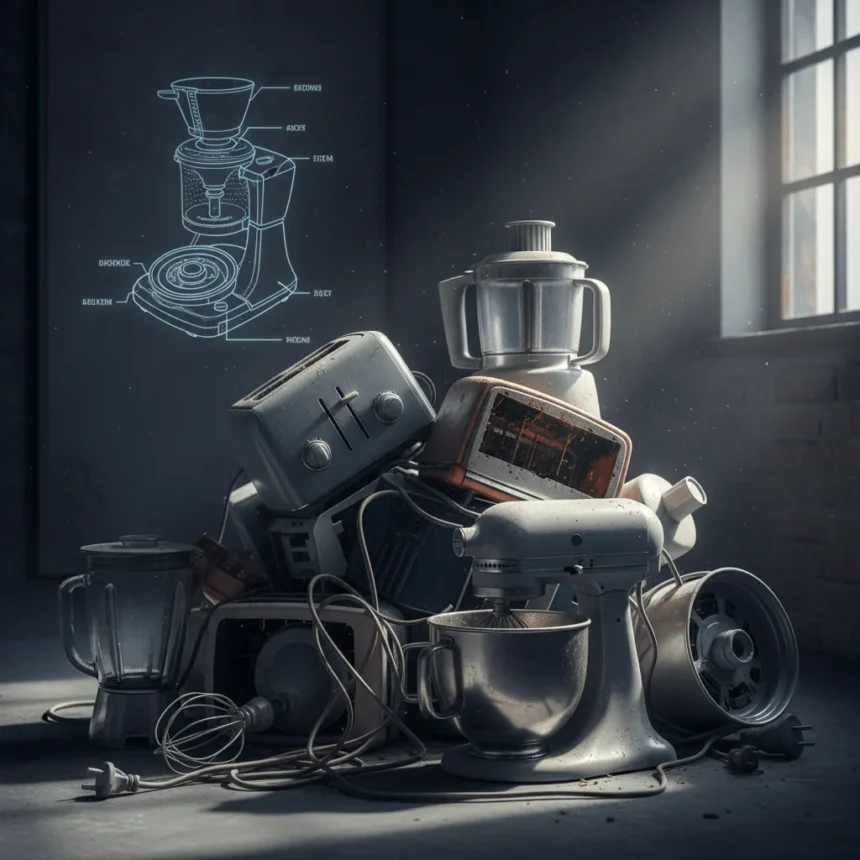
Kitchen appliance maintenance is the difference between a functional kitchen and a cabinet full of broken blenders, toasters, and coffee makers. Over a third of people have a broken kitchen appliance gathering dust somewhere in their home, according to experts. That statistic points to a larger problem: most households treat small appliances as disposable rather than durable goods worth protecting.
Key Takeaways
- Over one-third of households have broken kitchen appliances stored away unused.
- Proper cleaning and storage prevent common appliance failures.
- Regular maintenance extends the working life of small kitchen gadgets.
- Accumulated broken appliances create unnecessary clutter and waste.
- Simple care routines cost nothing and add years to appliance durability.
Why kitchen appliance maintenance matters now
The kitchen graveyard problem is not just about clutter. Every broken blender or defunct coffee maker represents money wasted, landfill impact, and the friction of shopping for a replacement. Unlike major appliances that last a decade, small kitchen gadgets often fail within a few years—not because they are inherently fragile, but because they are neglected. Dust accumulation, moisture exposure, and improper storage are silent killers of small appliances.
The cost of replacing a broken appliance every few years adds up fast. A quality blender might cost $100 to $200. A decent coffee maker runs $80 to $150. If you replace these every three years instead of eight or ten, you are spending thousands unnecessarily. More importantly, you are contributing to e-waste when these devices could have functioned for years longer with basic care.
How to prevent common kitchen appliance failures
Kitchen appliance maintenance begins with understanding what kills small gadgets. Moisture is the enemy of electrical devices. Coffee makers, blenders, and toasters all accumulate water, dust, and food particles that corrode internal components. Storage in damp cabinets or near the sink accelerates this process. Proper cleaning immediately after use—especially for appliances that contact water—removes moisture and prevents buildup.


Heat and dust are equally destructive. Storing appliances in direct sunlight or near heat sources like ovens degrades plastic components and internal wiring. Dust clogs ventilation vents, forcing motors to work harder and overheat. A simple cloth cover and a dry, cool storage location can add years to any small appliance’s life. Never store a coffee maker or blender while still damp. Allow it to air dry completely before putting it away.
Cable damage is another silent killer. Wrapping cords tightly around appliances creates stress fractures in the insulation. These fractures expose live wires and create fire hazards. Instead, coil cords loosely or use velcro cable ties that do not pinch the wire. Check cords regularly for visible damage, and replace any appliance with frayed or cracked insulation immediately.



Kitchen appliance maintenance routines that work
Establish a simple post-use ritual for high-frequency appliances. After using a blender, rinse the pitcher immediately and wipe the motor base with a dry cloth. For coffee makers, empty the water reservoir and run a cycle with vinegar monthly to dissolve mineral buildup. These ten-minute tasks prevent the accumulation that leads to failure.
Storage deserves as much attention as cleaning. Keep small appliances in a cool, dry cabinet away from direct sunlight and heat sources. Use shelf liners to prevent dust from settling on the base. If you have multiple appliances, do not stack them—this traps moisture and heat underneath. A dedicated shelf or drawer for small appliances keeps them organized and protected.
Read the manual once. Most small appliances come with specific care instructions that people ignore. A blender manual might specify maximum continuous run time or water temperature limits. A toaster manual explains how to safely remove stuck toast without damaging the heating elements. These details exist because manufacturers know how people break their products. Following them adds years to lifespan.
When repair beats replacement
Before tossing a broken appliance, consider whether repair is viable. A blender with a cracked pitcher but a functioning motor can be repaired with a replacement pitcher. A coffee maker that no longer heats water might need a heating element replacement—a $20 part instead of a $100 appliance. Small appliance repair shops exist in most cities, and replacement parts are often cheaper than new devices.



The kitchen graveyard grows because people assume broken appliances are worthless. In reality, many failures are fixable by someone with basic mechanical knowledge or a qualified repair technician. The environmental and financial case for repair is strong. A repaired appliance kept in service for another five years beats buying new every time.
FAQ
What causes most kitchen appliances to break?
Moisture accumulation, dust buildup in vents, heat exposure, and cable damage are the leading causes of small appliance failure. Improper storage in damp cabinets or near heat sources accelerates these problems. Most failures are preventable with basic cleaning and proper storage.
How often should I clean my kitchen appliances?
Clean appliances immediately after use, especially those that contact water like blenders or coffee makers. Run monthly maintenance cycles—such as vinegar rinses for coffee makers—to prevent mineral and residue buildup. Wipe exteriors weekly to reduce dust accumulation.
Is it worth repairing a broken kitchen appliance?
Yes, if the repair cost is less than 50 percent of a replacement. Many common failures—cracked pitchers, heating element issues, broken switches—are fixable for $20 to $50. A repair extends the appliance life by several years and is far more sustainable than replacement.
The kitchen graveyard exists because households treat small appliances as temporary rather than permanent fixtures. But basic maintenance—cleaning, proper storage, and cable care—transforms these gadgets from three-year disposables into eight-to-ten-year workhorses. Start with one appliance. Establish a simple care routine. Watch it outlast the next three replacements. That is the real value of kitchen appliance maintenance.
Where to Buy
45 Amazon customer reviews | $7.49
Edited by the All Things Geek team.
Source: TechRadar