




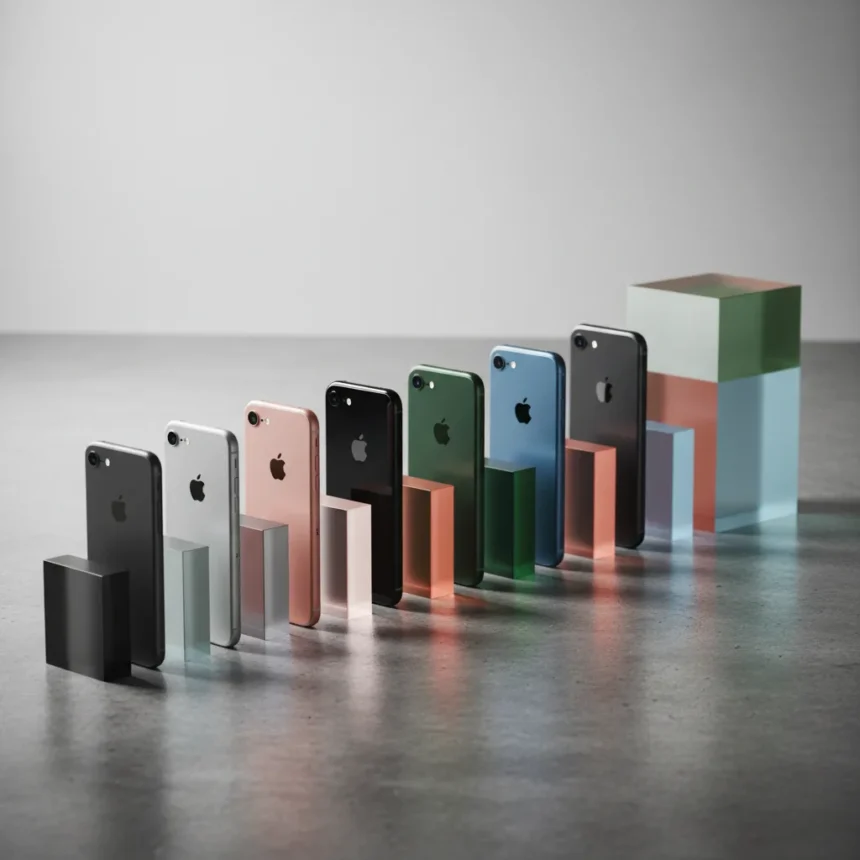
iPhone design history holds unexpected clues about how Apple approaches major product shakeups. The white iPhone 4, released years after the original black model, may have inadvertently set a precedent for how Apple staggers color availability and manages customer expectations around flagship launches.
Key Takeaways
- iPhone design history shows Apple uses color releases strategically to extend product cycles and manage demand.
- The white iPhone 4 delayed release created unexpected market momentum and customer interest.
- Apple’s launch timing patterns suggest deliberate spacing of major design changes and color variants.
- Historical iPhone releases indicate Apple plans flagship shakeups years in advance through design decisions.
- Color availability strategy may signal when Apple is preparing for its next significant iPhone redesign.
How iPhone Design History Shapes Apple’s Launch Strategy
Apple’s approach to iPhone design reveals a pattern of deliberate timing that extends far beyond simple product announcements. When the white iPhone 4 finally arrived months after the black version, it created a secondary wave of consumer interest that kept the model relevant longer than typical. This wasn’t accidental—it was a masterclass in product lifecycle management that Apple has refined through decades of design decisions and market observation.
The spacing between color releases and design iterations tells a story about Apple’s confidence in each generation. By studying when Apple introduces new colors, discontinues older models, and announces design changes, observers can identify the company’s long-term roadmap. The white iPhone 4’s delayed launch demonstrated that color scarcity could drive engagement and extend the perceived freshness of existing hardware, a lesson that likely influenced how Apple manages subsequent product families.
The White iPhone 4 and Apple’s Timing Playbook
The white iPhone 4 represented something unusual in Apple’s product strategy: a color variant that arrived substantially after launch, generating its own marketing moment. Rather than releasing all color options simultaneously, Apple created anticipation through absence. This approach challenged the conventional wisdom that all variants should ship together, proving instead that strategic delays could amplify interest and justify separate marketing campaigns.



This timing strategy appears connected to Apple’s broader philosophy about managing hardware lifecycles. By introducing new colors or variants at calculated intervals, Apple can sustain momentum for a product generation without committing to a complete redesign. The white iPhone 4 showed that customers would wait, search, and actively seek out delayed color options—a finding that reshapes how Apple thinks about supply and demand dynamics across its product lines.
What iPhone Design History Reveals About Future Redesigns
Examining iPhone design history uncovers patterns in how Apple signals when major shakeups are coming. The company typically establishes a design language, maintains it across multiple generations with refinements, then introduces a radical departure that marks a new era. The intervals between these major shifts—the jump from the curved iPhone 6 design to the flat-edged iPhone 12 aesthetic, for example—suggest Apple plans flagship overhauls years in advance, embedding signals through color choices, material changes, and variant availability.



The white iPhone 4 may have accidentally revealed something crucial: Apple uses color strategy as a proxy for design confidence. When a company delays color variants, it may indicate uncertainty about the design’s longevity or confidence that the existing aesthetic will remain relevant long enough to justify extended marketing campaigns. Conversely, rapid color rollouts might signal that Apple is preparing to move on to the next major design cycle sooner than expected. Understanding these patterns helps predict when Apple’s next significant iPhone redesign will arrive and what form it might take.
How Design Decisions Influence Apple’s Product Roadmap
iPhone design history demonstrates that aesthetic choices cascade through years of product planning. Materials, finishes, and color palettes are not chosen in isolation—they represent bets on what will remain desirable across multiple product generations. The white iPhone 4 succeeded because its design remained compelling even after months of market saturation with the black version. This success likely encouraged Apple to think differently about color as a tool for extending product relevance rather than simply offering choice at launch.
Apple’s design philosophy treats each iPhone generation as a chapter in a longer story. By analyzing which design elements persist and which are abandoned, we can identify Apple’s actual priorities. The white iPhone 4 wasn’t just a color option; it was proof that Apple could maintain customer interest through strategic variant releases. This insight shapes how Apple approaches every subsequent launch, influencing decisions about when to introduce new colors, when to discontinue old ones, and when to signal that a major redesign is imminent through accelerated variant rollouts or material changes.
Why iPhone Design History Matters to Future Buyers
Understanding iPhone design history empowers buyers to make smarter upgrade decisions. If Apple is spacing color releases or introducing unusual material finishes, these moves often precede major design overhauls. The white iPhone 4 teaches us that Apple’s timing decisions are intentional—they reflect strategic thinking about product lifecycles, not random scheduling. By recognizing these patterns, buyers can anticipate when to upgrade and when to wait for the next significant redesign.



The lessons embedded in iPhone design history also reveal Apple’s confidence level in current designs. Aggressive color rollouts and rapid variant introductions suggest Apple is confident a design will remain desirable. Delayed color releases and extended mono-color periods might indicate Apple is preparing to move on. For buyers seeking the best value and longest relevance from their purchase, these signals matter enormously. The white iPhone 4 accidentally created a playbook that Apple continues to follow, making design history a practical tool for informed decision-making.
Does iPhone design history predict the next major redesign?
iPhone design history suggests major redesigns follow predictable intervals, though Apple rarely announces them in advance. By tracking when Apple accelerates color releases, changes materials, or shifts design language, observers can estimate when the next significant overhaul is likely. The white iPhone 4 demonstrated that Apple thinks in multi-year cycles, using color and variant strategy to manage expectations and extend product relevance during the years between major design shifts.
How does the white iPhone 4 compare to modern color strategies?
The white iPhone 4’s delayed release was unusual for its time, but modern iPhone launches often feature staggered color availability as standard practice. However, the white iPhone 4 was notable because it created a distinct marketing moment months after the original launch, whereas today’s delayed colors are typically announced upfront. This shift suggests Apple has refined its approach, now integrating color timing into the initial launch narrative rather than treating it as a surprise.
What can buyers learn from studying iPhone design history?
Buyers who study iPhone design history gain insight into Apple’s upgrade cycles and can make more strategic purchase decisions. By recognizing when Apple is signaling confidence in a design through extended color releases versus when it’s preparing for a major redesign through accelerated changes, buyers can time their upgrades to maximize value. The white iPhone 4 is a historical artifact that reveals Apple’s thinking about product longevity and customer engagement, lessons that remain relevant today.
iPhone design history ultimately demonstrates that Apple’s product decisions are far more calculated than they appear on the surface. The white iPhone 4, seemingly a simple color variant, was actually a strategic move that reshaped how Apple thinks about managing product lifecycles and customer interest. By understanding these patterns, buyers and observers can better anticipate Apple’s next big iPhone shakeup and make decisions aligned with their own upgrade timelines and preferences.
Where to Buy
Apple iPhone 17e | Apple iPhone 17 Pro
This article was written with AI assistance and editorially reviewed.
Source: TechRadar