





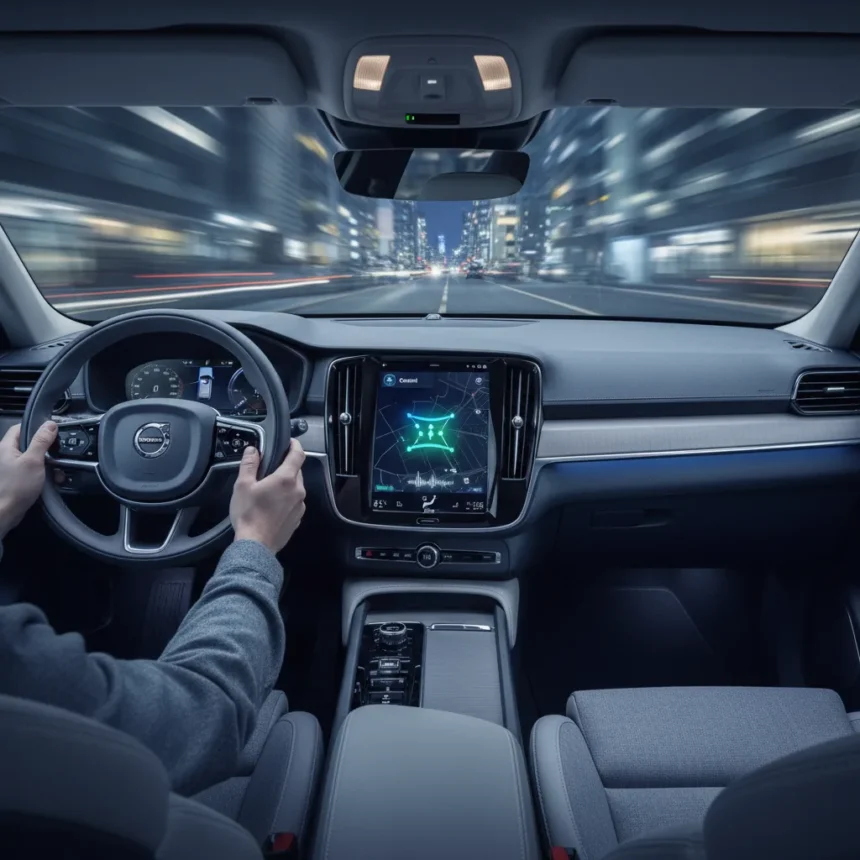
Android Automotive Gemini is finally arriving in cars, with Volvo leading the charge as one of the first manufacturers to integrate Google’s enhanced voice assistant into its native in-car operating system. Unlike Android Auto, which mirrors your phone to your car’s screen, Android Automotive runs directly on the vehicle’s infotainment hardware—meaning Gemini will feel native, not tethered. For millions of Volvo owners, this means smarter, more conversational voice commands replacing the aging Google Assistant.
Key Takeaways
- Volvo is integrating Android Automotive Gemini into supported models later this year, with rollout details coming soon.
- Android Automotive is pre-installed software, unlike Android Auto which connects via smartphone projection.
- Gemini offers better natural language understanding than Google Assistant, which has been phased out in favor of the new AI.
- Volvo serves as a reference platform for Google, potentially receiving innovations ahead of other manufacturers.
- Android Auto Gemini is rolling out separately in beta, but Android Automotive integration represents a deeper native implementation.
What Is Android Automotive Gemini?
Android Automotive Gemini represents a significant leap forward in in-car voice interaction. Google’s Gemini assistant brings superior natural language understanding compared to the older Google Assistant, allowing drivers to issue more complex, conversational commands without rigid phrasing. This is not a minor tweak—it is a fundamental shift in how cars interpret driver intent. Gemini already powers Android devices, Google Maps, and Google Lens, so integrating it into vehicles creates a more cohesive ecosystem across all your devices.
The distinction between Android Auto and Android Automotive matters here. Android Auto is smartphone projection—your phone’s screen mirrors to the car’s display. Android Automotive, by contrast, is baked directly into the vehicle’s infotainment system as pre-installed software. This means Android Automotive Gemini will respond faster, work offline for basic commands, and feel genuinely integrated rather than like an app running on borrowed hardware.
Which Volvo Cars Get Android Automotive Gemini?
Volvo is rolling out Android Automotive Gemini to its supported models that already ship with Android Automotive, including vehicles like the EX90. The update arrives later this year, though exact timelines and regional availability remain unclear. Volvo will announce specific rollout details in the coming months, so if you own a recent Volvo with Android Automotive, check for official communications from the manufacturer.



Volvo’s position as one of Google’s reference hardware platforms gives it early access to innovations. This means Volvo drivers may see Android Automotive Gemini before owners of vehicles from other manufacturers—a competitive advantage that reflects the deep partnership between Volvo and Google. If your car predates Android Automotive integration, you will not receive this update, so knowing your vehicle’s infotainment system is the first step.
How Android Automotive Gemini Compares to Android Auto Gemini
Google announced Gemini integration for Android Auto at its I/O developers conference and The Android Show, but rollout has been slow. Android Auto Gemini is currently in beta, with reports of gradual availability among users, while the broader rollout to non-beta users remains incomplete. The UK rollout, in particular, has lagged behind other regions.



Android Automotive Gemini offers a structural advantage: because it runs natively on the car’s hardware rather than projecting from your phone, it does not depend on your smartphone’s battery, connection stability, or processing power. This makes it more reliable for long drives and complex voice requests. Android Auto Gemini, by comparison, will always be constrained by your phone’s capabilities and connectivity. For drivers who rely on voice control, the native implementation is simply superior.
What Happens to Google Assistant?
Google Assistant, launched in 2016 and integrated into Android Auto in 2018, is being phased out in favor of Gemini across the board. The shift reflects Google’s conviction that Gemini’s natural language model is more capable and user-friendly. If you have grown accustomed to Google Assistant in your car, Gemini will feel like a meaningful upgrade—not just a rebrand, but a genuine improvement in how the assistant understands your requests.
When Will Other Car Manufacturers Get Android Automotive Gemini?
Volvo’s early integration does not mean other manufacturers are far behind, but timelines vary. Android Automotive Gemini for Android Automotive systems will roll out manufacturer by manufacturer, with each company announcing its own schedule. If you drive a different brand, check your manufacturer’s official channels for announcements. The broader Android Auto Gemini rollout (for smartphone projection) is also underway, though it remains incomplete outside beta.
Will my Volvo definitely get the update?
Only Volvo models with Android Automotive pre-installed will receive the update. If your Volvo has a different infotainment system, you will not qualify. Check your vehicle’s documentation or contact Volvo directly to confirm whether your specific model and year include Android Automotive.


What can Gemini do in a car that Google Assistant could not?
Gemini’s improved natural language understanding allows for more conversational, context-aware commands. You can issue longer, more complex requests without repeating yourself or using rigid phrasing. Expect faster response times and better comprehension of nuanced questions, making voice interaction feel less robotic and more intuitive.
Is Android Automotive Gemini available now?
Not yet for Volvo cars. The update is expected later this year, with specific rollout details and availability windows to be announced by Volvo in the coming months. Android Auto Gemini is rolling out separately in beta, but the native Android Automotive version is still forthcoming.
Android Automotive Gemini represents the next generation of in-car AI, and Volvo’s early adoption signals that the shift from Google Assistant is real and imminent. If you own a compatible Volvo, keep an eye on official communications—the upgrade promises to make voice control in your car feel less like talking to a machine and more like conversing with an intelligent co-pilot.
Where to Buy
Edited by the All Things Geek team.
Source: T3




