Apple Watch vs Garmin marathon performance came down to real-world testing during the London Marathon, where wearing both watches simultaneously revealed stark differences in how each handles the demands of a full 26.2-mile race. The winner wasn’t close: Garmin’s focus on training metrics and pacing tools outpaced Apple’s more general-purpose smartwatch approach when it mattered most.
Key Takeaways
- Garmin excels at pacing predictions and training insights for marathon distance racing.
- Apple Watch Ultra offers reliable GPS even in urban canyons like Canary Wharf, but lacks specialized running tools.
- Real-world London Marathon conditions exposed GPS drift in tall buildings; both watches struggled with chip timing discrepancies.
- Garmin Forerunner models cost up to $200 less than Apple Watch Ultra while delivering superior marathon-specific features.
- Physical buttons on Garmin watches proved essential in rainy conditions where touchscreens faltered.
Apple Watch vs Garmin Marathon: GPS Accuracy in Urban Chaos
The London Marathon route cuts through central London, including the notorious GPS-blocking canyon of Canary Wharf. Apple Watch Ultra delivered solid GPS performance in these challenging areas, maintaining consistent tracking even when buildings towered overhead. Garmin watches, particularly the Forerunner series, matched this accuracy while adding something Apple lacked: predictive pacing algorithms that told runners exactly what finish time the watch calculated they would achieve.
GPS accuracy alone doesn’t win marathons. Runners need to know whether they’re on pace, falling behind, or running too fast. This is where Apple Watch vs Garmin marathon testing revealed the real gap. Garmin’s training metrics ecosystem provided split predictions and pacing guidance throughout the race, while Apple Watch offered basic distance and pace numbers without the forward-looking intelligence that serious marathoners depend on.
Pacing Tools and Training Insights: Where Garmin Dominates
When a runner wears both watches during a full marathon, the difference in training-focused features becomes impossible to ignore. Garmin Forerunner 970 estimated a finish time of 2:23:35 based on early-race pacing, giving runners a concrete target to chase. Apple Watch Ultra, by contrast, provided real-time metrics but no predictive framework to guide race strategy. For elite or experienced marathoners, this distinction is the difference between executing a plan and simply running.


Garmin also excels at hill pacing, adjusting expected pace for elevation gain and loss. The Fenix 6S Sapphire and Fenix 8 models integrate mapping and terrain analysis directly into race guidance, features that don’t exist on Apple Watch. A runner climbing toward Hampstead Heath can see exactly how much pace adjustment the watch expects, rather than watching numbers fluctuate without context.
Heart Rate Monitoring and Weather Resilience
Both watches delivered solid heart rate monitoring throughout the London Marathon. The real divergence came when weather turned. Apple Watch Ultra 3, though excellent for daily wear, proved vulnerable to rain and wet conditions. Garmin’s physical buttons became invaluable when touchscreens refused to respond mid-race. The Garmin Forerunner 570 and higher-end models maintain full functionality in downpour conditions, a practical advantage that shouldn’t be underestimated in British racing.


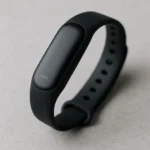
Heart rate accuracy was comparable between both platforms. Neither watch showed significant drift from actual cardiovascular exertion. The difference lay in how each watch used that data. Garmin integrated heart rate into training zones and recovery recommendations, while Apple Watch treated it as a metric to log rather than a signal for real-time guidance.
Price and Ecosystem Fit
The Garmin Forerunner 965 costs approximately $200 less than Apple Watch Ultra, a significant difference when considering that Garmin’s running-specific tools justify the choice for marathoners. Apple Watch Ultra remains the better choice if you want a single device that handles daily notifications, payments, and fitness equally well. But for runners serious enough to run 26.2 miles, Garmin’s specialization delivers more value.
Apple’s recent partnership with the London Marathon signals the company’s intention to improve its running credentials. Current Apple Watch models, however, still treat running as one fitness mode among many. Garmin, by contrast, has spent years building the software and hardware specifically for runners who care about pacing, splits, and training load.
Is Apple Watch or Garmin better for marathons?
Garmin wins for marathon-specific training and pacing tools. If you run marathons regularly or care about predictive finish times and hill-adjusted pacing, Garmin’s Forerunner or Fenix series delivers features Apple Watch simply doesn’t offer. Apple Watch excels at GPS accuracy in urban environments and daily-wear versatility, but lacks the specialized marathon intelligence serious runners need.

Can Apple Watch track a full marathon accurately?
Yes, Apple Watch Ultra tracks full marathons with solid GPS accuracy, even in challenging urban terrain. However, it provides basic distance and pace data without the predictive pacing and training load analysis that dedicated running watches offer. For casual marathoners, it’s sufficient. For competitive runners, it falls short.
Why did the tester swap watches during the half-marathon?
Rain and wet conditions exposed a critical weakness in Apple Watch’s touchscreen interface. Garmin’s physical buttons continued functioning when the screen wouldn’t respond, making it the practical choice in poor weather. This real-world resilience matters during actual races, where conditions rarely cooperate with your gadget preferences.
The London Marathon test settled a debate that smartwatch reviews often avoid: specialization beats versatility for endurance racing. Apple Watch vs Garmin marathon performance isn’t close once you factor in pacing tools, training metrics, and weather resilience. Garmin’s relentless focus on runners means it delivers what marathoners actually need when the race starts.
Where to Buy
Apple Watch Ultra 3: | Garmin Forerunner 570:
Edited by the All Things Geek team.
Source: Tom's Guide