






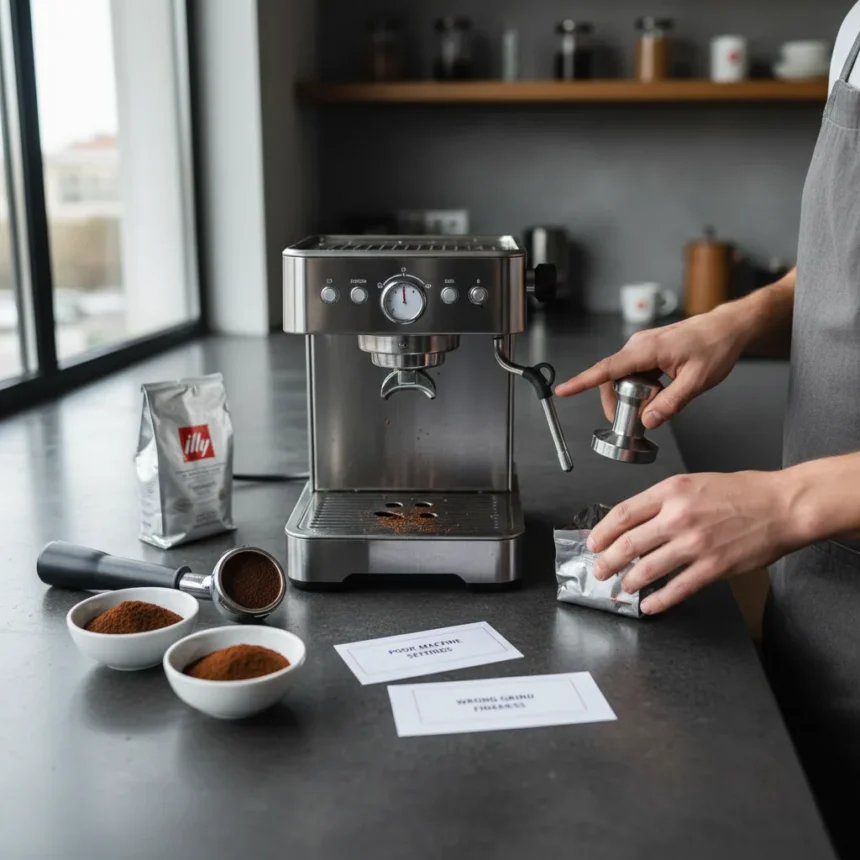
Home coffee mistakes are robbing millions of morning cups of their potential. Making perfect coffee every time takes effort, but making better coffee is usually a matter of correcting three simple mistakes, according to illy experts. Most home brewers overlook basic adjustments that separate mediocre coffee from something worth drinking.
Key Takeaways
- Grind fineness is the most impactful adjustable setting for espresso quality.
- Small adjustments to one setting at a time allow safe experimentation without machine damage.
- Pod machines like the Illy X3 limit customization compared to bean-to-cup or espresso machines.
- Machine settings including dose, extraction time, volume, and water temperature all affect final taste.
- Taste testing after each adjustment guides which changes to keep or reverse.
Why Machine Settings Matter More Than You Think
Most home brewers never touch their machine’s adjustable controls. Grind fineness stands out as the single most impactful setting for espresso. Dose, extraction time, volume, and water temperature also shape the final cup, yet most people leave them at factory defaults. The gap between default settings and optimized ones is where barista-quality coffee lives.
Bean-to-cup or espresso machines offer grind adjustment, while pre-ground coffee eliminates this option entirely. Pod machines sit somewhere in between, offering convenience at the cost of customization. The Illy X-Caps X3, for example, uses pre-loaded pods slotted into the machine’s top. Push the silver lever down, press the desired shot button, and the machine handles the rest. This simplicity appeals to busy mornings, but it removes the ability to dial in grind or dose.
How to Fix Home Coffee Mistakes Through Experimentation
The fix is methodical but forgiving. Make a small change to one setting—say, grind fineness—then brew and taste. If the coffee improves, keep the change. If it tastes worse, revert and try something else. No adjustment damages the machine. For precision, weigh your grounds and time the extraction as you experiment.



Start with grind fineness because it delivers the most noticeable improvement. Coarser grinds extract faster and taste sour; finer grinds extract slower and taste bitter. The sweet spot sits between these extremes. Once grind feels right, adjust dose next—the amount of coffee per shot. Then fine-tune extraction time and water temperature. Each tweak builds on the last, and your palate trains to recognize which adjustments matter.
Pod Machines vs. Manual Control: The Trade-Off
Pod systems sacrifice flexibility for speed. The Illy X3 delivers consistent espresso-style black coffee without the learning curve. But it cannot produce milk-based drinks without a separate frother, and you cannot adjust grind or dose. One minor quirk: pods occasionally stick inside before dropping to the used container, though this is not a major issue.



Filter coffee makers offer a different trade-off. Reviewers often prefer filter machines over pods for superior results. They allow grind control and work well for black coffee drinkers who prioritize taste over speed. The choice depends on whether you value convenience or customization.
Why Most Home Brewers Fail at Coffee
The barrier to better coffee is not cost or equipment—it is knowledge. Many people assume their machine is the problem when the real issue is settings. A mid-range espresso machine dialed in correctly outperforms an expensive machine left on defaults. The illy experts’ insight cuts through this misconception: small corrections compound into dramatically better results.
The second barrier is patience. Experimentation means multiple brews to find your preferences. Most people make one cup, decide it tastes fine, and move on. But those willing to spend an extra five minutes adjusting settings discover that coffee at home can rival what cafes charge five dollars for.
What Happens When You Get It Right
Once you dial in your machine, consistency follows. Your morning cup tastes the same every day because the variables stay constant. You stop blaming the beans or the machine and start enjoying the result. For pod users, this means accepting the machine’s limits and buying quality pods. For manual machines, this means spending a weekend learning your equipment’s personality.


Can beginners really dial in espresso machines?
Yes. Start with grind fineness, make small adjustments, taste, and revert if worse. There is no risk of damaging the machine, and most people find their sweet spot within a few brews. Precision tools like scales and timers help, but they are optional for basic improvement.
Is a pod machine worth it if I cannot adjust settings?
Pod machines suit people who prioritize speed and consistency over customization. The Illy X3 delivers reliable espresso-style shots without learning curves. If you drink black coffee and value convenience, pods work well. If you want to experiment and chase the perfect cup, a manual espresso machine offers more control.
Should I buy expensive coffee beans if my machine settings are wrong?
No. Fix your machine settings first. Premium beans wasted on poor extraction taste no better than budget beans. Once your machine is dialed in, quality beans reveal their full potential. The order matters: settings before beans.
Home coffee mistakes are fixable. You do not need a new machine or expensive gear—just willingness to adjust what you already own. Illy experts confirm that better coffee emerges from correcting simple mistakes, not from spending more money. Start this week. Pick one setting, make one small change, and taste the difference.
Where to Buy
This article was written with AI assistance and editorially reviewed.
Source: T3